Choose an adjustable 27- or 32-inch 4K monitor if detailed price tables and a conventional-sized desk setup matter most. Consider a 34-inch-or-larger ultrawide if you regularly need booking pages, a map and a budget sheet visible together, but measure the space it will occupy. At a sit-stand desk, check screen-positioning range and laptop connection requirements whichever format you choose.
Who is this for?
Multi-window holiday planners
If you keep accommodation, transport, maps and a budget sheet open together, usable horizontal workspace may matter more than fitting the display into a small corner. Compare how you would arrange those windows before choosing a screen format.
Sit-stand laptop users
If your desk changes height, check whether the screen can be repositioned comfortably at both working positions. The Health and Safety Executive advises placing the top of a screen around eye level, with the display directly in front of the user and about an arm’s length away.
Compact-desk price researchers
If you mainly inspect fares, booking terms and totals on a limited desk surface, a conventional 27-inch display may fit your space more readily than a wide monitor. Check its stand footprint and the connections you need before deciding.
What matters when choosing?
Decide whether you need several windows visible at once or a conventional screen for detailed tables, then check positioning at both desk heights. USB-C connectivity is a separate decision: its presence alone does not establish that your laptop can use one cable for video and charging.
Adjustable 27- or 32-inch 4K
Choose when: You want a conventional-shaped screen for price grids and booking terms, with a stand or arm that lets you reset its position as desk height changes.
Trade-off: Keeping several full-size pages visible may require more window rearranging than on an ultrawide. A clamp-mounted option also needs a suitable desk edge and clearance.
34-inch-or-larger ultrawide
Choose when: You frequently compare live booking pages alongside a map and a running budget on one screen.
Trade-off: The wider display needs enough desk width and an appropriate stand or arm; check both before committing to this format.
| Concern | What to check | Who this matters to |
|---|
| Screen position |
Check the stand’s height range and whether its tilt or an appropriate arm lets you position the screen at both desk heights. |
When I switch between sitting and standing, I want to reset the screen rather than work with it awkwardly placed. Around 33% of consumers put screen positioning first. |
| Multi-window space |
Compare a conventional 16:9 screen with a 21:9 ultrawide for the windows you actually keep open; measure desk width. |
Keeping fares, accommodation and a budget visible together matters more to me than a narrow desk setup. For around 27% of consumers, simultaneous window space is the main concern. |
| Laptop connection |
Confirm USB-C video support on the laptop and compare its charging requirement with the exact monitor’s power-delivery rating. |
I would rather connect my laptop with fewer cables when raising and lowering the desk. Around 20% of consumers chiefly care about connection simplicity. |
| Desk space and features |
Measure the screen and stand footprint, then decide whether you would use an ultrawide workspace or monitor-based laptop charging. |
For occasional holiday planning, I do not want a display that crowds the desk or features I will rarely use. Desk fit and proportionate features come first for around 20% of consumers. |
Buying pitfalls
-
Assuming a fixed-height stand will suit both desk positions
A screen that works while seated may be poorly placed when you stand. The Health and Safety Executive advises keeping the top of the screen around eye level, about an arm’s length away and directly in front of you.
Compare the stand’s adjustment range with your seated and standing positions; if you plan to use an arm, check its mounting compatibility and the desk edge.
If the supplied stand cannot provide the position you need, an appropriate arm, riser or replacement stand may be necessary.
-
Treating every USB-C port as a one-cable laptop connection
Video support and charging power depend on the particular laptop and monitor. For comparison, LG lists up to 60 W USB-C power delivery for its 32UN880K-B, while BenQ lists 90 W for its RD320UA; those figures apply to those models, not every monitor from either brand.
Check your laptop’s display-output capability and charging requirement against the exact monitor and the cable you intend to use.
If the connection cannot carry the video signal or supply enough power, you may need a separate adapter, cable or dock.
-
Choosing an ultrawide before measuring the desk
A wide screen must leave room for its stand, other desk items and a workable viewing position. A clamp-mounted alternative also depends on the available rear clearance and desk-edge shape.
Measure usable width, depth, rear clearance and edge thickness before choosing a large display or clamp mount.
Brands to consider
LG
LG’s UK monitor range includes an adjustable conventional-format model and an ultrawide model relevant to different holiday-planning layouts.
- LG lists a C-clamp ergonomic stand, 4K resolution and up to 60 W USB-C power delivery for the 32UN880K-B.
- The clamp needs a suitable mounting position; the 34U650A-B’s wider 21:9 format addresses a different workspace need and should not be treated as having the same stand or connections.
Dell
Dell’s UK UltraSharp examples span a 27-inch 4K hub monitor and a larger ultrawide hub monitor.
- Dell lists height and pivot adjustment for the U2725QE. Its U3824DW is listed as a 37.5-inch, 3840 × 1600 display with a height-adjustable stand and 90 W power delivery.
- Choose between those models by the workspace and desk footprint you need; features listed for the larger hub monitor do not automatically apply to the 27-inch model.
BenQ
BenQ’s RD320UA is a manufacturer-listed option to examine if flexible positioning and a laptop-led desk setup are priorities.
- BenQ lists a 31.5-inch 4K panel, a flexible arm, 130 mm height adjustment and 90 W USB-C power delivery for the RD320UA.
- Its programming-oriented modes do not, by themselves, establish an advantage for comparing holiday costs. Check your own laptop’s video and charging requirements.
Joybuy monitor choices
These monitors cover conventional 4K screens and a 34-inch ultrawide for comparing holiday costs. The two BenQ MA models also offer a USB-C connection; assess every model’s stand and laptop compatibility against your own setup.
 No image available
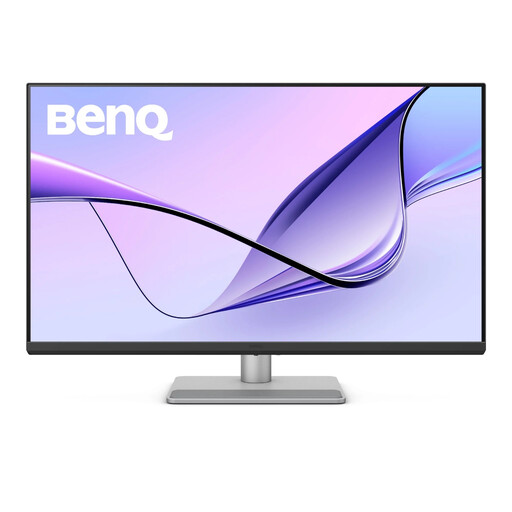
BenQ MA320UP 32-inch 4K USB-C monitor
Consider this conventional-format screen if you want room for detailed price tables and a height-adjustable stand for your sit-stand setup.
The product name specifies a Nano Glossy IPS panel and USB-C. Check your laptop’s video and charging compatibility, and measure desk width and depth for a 32-inch screen.
View on Joybuy
 No image available
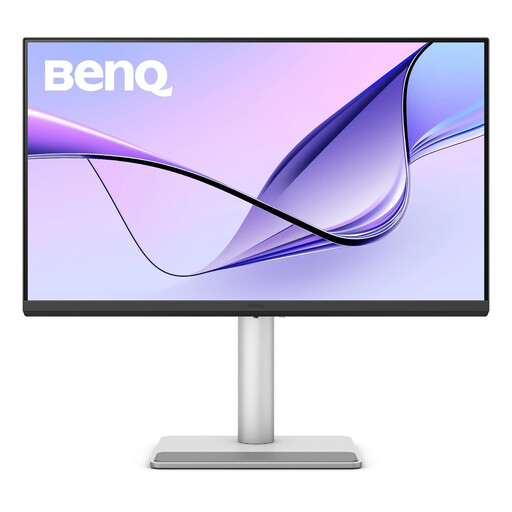
BenQ MA270UP 27-inch 4K USB-C monitor
Consider the 27-inch conventional format when desk space matters alongside reading booking terms and price grids.
The product name specifies a height-adjustable stand, Nano Glossy IPS panel and USB-C. Confirm that your laptop supports the intended video connection and charging arrangement.
View on Joybuy
 No image available
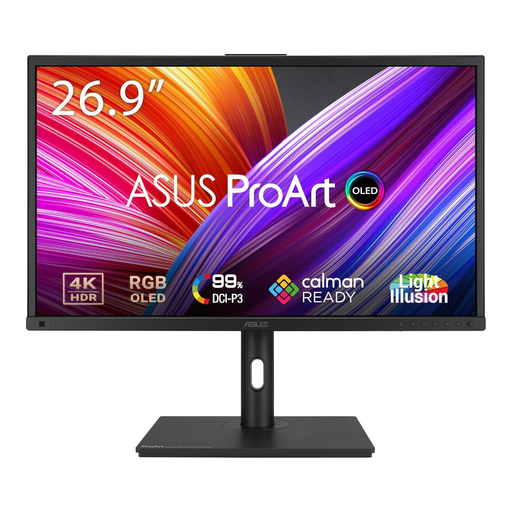
ASUS ProArt PA27DCE-K 4K OLED monitor
This is an option to examine for detailed cost comparisons on a conventional-format screen; check its adjustment range against both of your desk positions.
The model is identified as a 4K UHD OLED display. If you want a one-cable laptop setup, confirm the required USB-C video and charging specifications for this exact model before buying.
View on Joybuy
 No image available
Dahua 34-inch curved UWQHD monitor, 200 Hz
Consider this wide format if seeing several travel pages together is more important than keeping the monitor footprint small.
The product name specifies 3440 × 1440 resolution, a VA panel, two HDMI inputs and two DisplayPort 1.4 inputs. Measure the desk before choosing a 34-inch screen, and check your laptop connection and charging arrangements separately.
View on Joybuy
 No image available
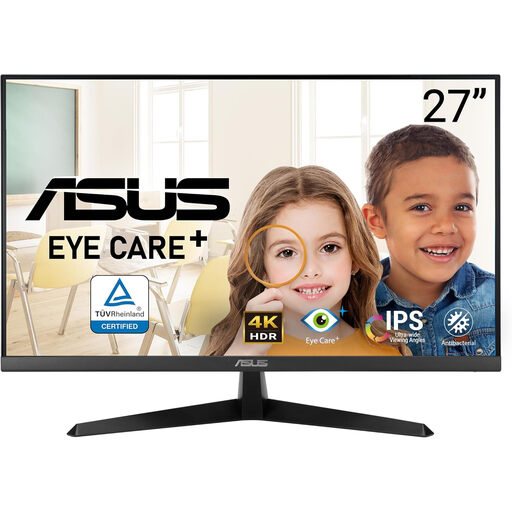
ASUS Eye Care VY27UQ 4K UHD monitor, 60 Hz
This conventional-format option is relevant if your priority is reading detailed holiday costs without choosing an ultrawide screen.
Check whether its stand can place the display appropriately at both seated and standing heights, or whether you would need a compatible alternative. Confirm the connections required by your laptop.
View on Joybuy
Frequently asked questions
Is an ultrawide or a 4K 16:9 monitor better for comparing holiday costs?
Choose an ultrawide if keeping several booking pages, a map and a budget visible together is your main requirement. A 27- or 32-inch 4K 16:9 monitor is worth considering when you favour a conventional-shaped workspace for detailed tables; check desk fit and screen adjustment in either case.
Where should the screen sit when I change desk height?
Position it so you can work comfortably at both seated and standing heights. The Health and Safety Executive advises placing the top of the screen around eye level, with the display directly in front of you and about an arm’s length away; check whether the stand or a compatible arm lets you achieve that position.
Can one USB-C cable connect and charge my laptop?
It can if the laptop and monitor support the required USB-C video connection and the monitor supplies enough charging power for that laptop. Compare the exact devices’ specifications and the cable you intend to use rather than relying on the presence of USB-C ports alone.
Does UK display-screen guidance apply to holiday planning at home?
Personal holiday planning is not, by itself, the work-use situation described in the Health and Safety Executive’s guidance. The HSE states that the Display Screen Equipment Regulations apply to workers who use display-screen equipment daily for continuous periods of an hour or more; its screen-positioning advice can still help you assess a desk you also use personally.


