What matters when choosing?
For an organic pasta lunch, weigh the label, the dish you intend to serve, guests’ dietary needs and whether you can obtain the chosen pack in time.
Organic durum-wheat pasta
Choose it when: Guests can eat wheat and you want spaghetti or a shaped pasta for a familiar sauce-based dish.
Keep in mind: Durum-wheat pasta contains gluten; cooking directions vary by product and shape.
Organic wholegrain wheat pasta
Choose it when: You specifically want wholegrain wheat pasta and its different flavour suits the menu.
Keep in mind: Wholegrain wheat pasta still contains gluten and may change the flavour and texture of the dish.
Organic gluten-free pasta
Choose it when: A guest needs to avoid gluten and the current pack explicitly carries a gluten-free claim.
Keep in mind: Alternative ingredients can give a different taste, texture and cooking time from durum-wheat pasta.
| Concern |
What to check |
Who this matters to |
| Organic status |
Look for an explicit organic claim on the current pasta pack and read its ingredients. Do not treat “natural” as an equivalent claim. |
I want to know that the pasta itself is labelled organic, not just the sauce I serve with it. About 33% of consumers put confirmation of the organic claim first. |
| Serving the group |
Match the shape to the sauce, then check the pack’s serving guide and cooking time. |
When pasta is part of a group lunch, I need a familiar dish I can portion and bring to the table at the right time. For about 27% of consumers, serving and timing are the primary concern. |
| Gluten and allergens |
For gluten avoidance, check for an explicit gluten-free claim and read the current ingredient and allergen information. |
If a guest must avoid gluten or another relevant allergen, I cannot choose by the word “organic” alone. Dietary suitability comes first for about 20% of consumers. |
| Getting the right pack |
Confirm the chosen format and pack size are available for collection or delivery before the lunch. |
I have a menu planned and need to obtain the pasta in time without switching to a format that changes the dish. Around 20% of consumers make sourcing the intended pack their primary concern. |
Joybuy product selections
These selections include macaroni for a wheat-pasta dish and wheat noodles for a lunch built around stir-fry or soup. Check each current pack’s organic claim before treating it as an organic choice for your menu.
 No image available
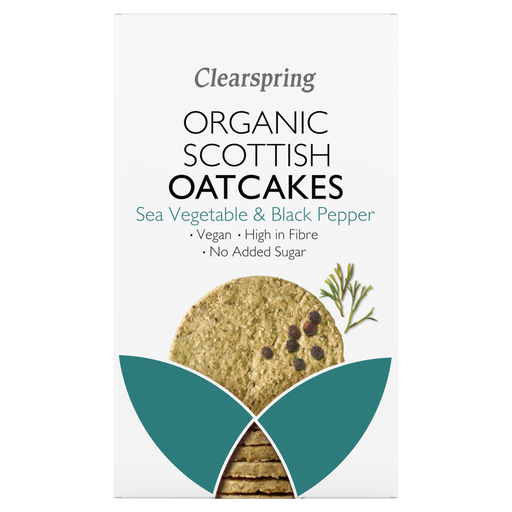
Cornwall Pasta Co. Macaroni 500g
Consider this macaroni for a wheat-pasta dish rather than a gluten-free meal. The pack is 500 g; check its current organic claim, allergen declaration, cooking directions and serving guidance when planning for guests.
View on Joybuy
 No image available
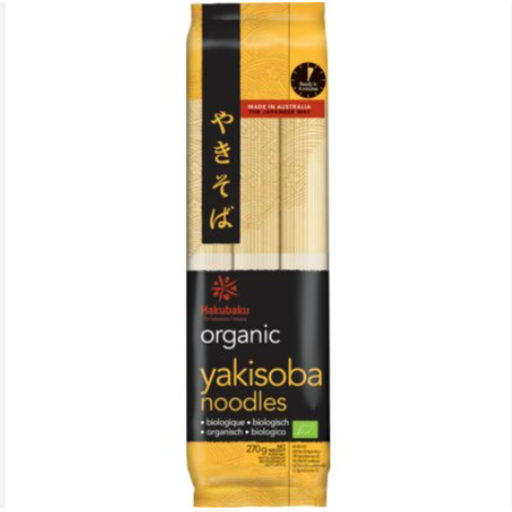
Hakubaku Yakisoba Noodle 270 g
Consider these wheat noodles if the Easter menu includes a stir-fry rather than a conventional pasta-and-sauce dish. The pack is 270 g; check its current organic claim and wheat allergen information before buying.
View on Joybuy
 No image available
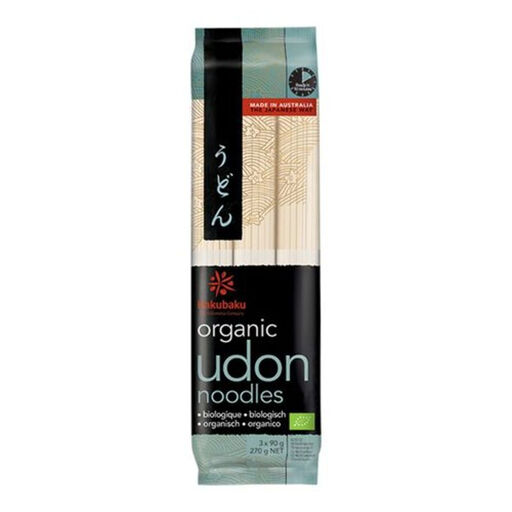
Hakubaku Udon Noodles 270g
Consider these wheat noodles for a soup or stir-fry course, not as a direct substitute for spaghetti. The pack is 270 g; check the current organic claim, allergen declaration and serving directions for your group.
View on Joybuy
Questions about organic pasta
How can I tell whether pasta is organic?
Look for an explicit organic claim on the current pack. The Department for Environment, Food & Rural Affairs says food sold as organic in the UK must meet organic-production rules and the relevant certification requirements; words such as “natural” do not replace that claim.
Is organic pasta gluten-free?
Not necessarily. The reviewed Tesco and Sainsbury's organic spaghetti products are made with durum wheat, so choose pasta explicitly labelled gluten-free if a guest needs to avoid gluten, and check its current ingredients and allergens.
How much dried pasta should I plan for lunch?
Start with the serving guidance on the pasta you choose, then consider whether it is a main course or an accompaniment. Tesco gives an approximately 75 g dry serving guide for its Organic Spaghetti, while Sainsbury's describes its 500 g SO Organic Spaghetti pack as approximately five servings.
What if a guest has coeliac disease or a food allergy?
Check the current pack’s ingredients and allergen declaration and, for gluten avoidance, choose a product explicitly labelled gluten-free. The Food Standards Agency states that food labelled gluten-free must contain no more than 20 mg/kg gluten as sold; use clean cookware and serving tools to prevent cross-contact.


