Who is choosing pasta for an older adult?

Carers planning the whole meal

For someone planning an older adult’s meals, pasta is one part of the plate. Royal United Hospitals Bath NHS Foundation Trust highlights several nutrients that warrant attention in later life, while the NHS Eatwell Guide places pasta among starchy foods. Consider the foods served with it as well as the pasta itself.

Wholegrain-focused shoppers

These shoppers want an organic wholewheat pasta for someone who eats wheat and manages ordinary pasta textures. Check the ingredients for wholewheat or wholegrain durum wheat, then read fibre figures on the same stated basis if comparing packs.

Carers checking dietary or swallowing needs

When wheat or gluten must be avoided, the exact pack’s ingredients and allergen information matter more than its organic label. Where swallowing difficulties or a prescribed texture are involved, follow the individual plan from the person’s clinical team rather than choosing ordinary pasta by shape alone, as Royal Berkshire NHS Foundation Trust’s dysphagia guidance indicates.

What matters when choosing pasta?

Concern What to check Who this matters to
The whole meal Look at the stated serving information, then decide which protein-containing food and vegetables will accompany the pasta. When planning an older person’s pasta meal, I want the accompaniments to matter as much as the organic label; about 36% of consumers put meal composition first.
Wholegrain and fibre Check for wholewheat or wholegrain ingredients. Compare fibre figures only when the packs use the same basis, such as both as sold or both cooked. If the person enjoys ordinary wheat pasta, I may want a wholegrain option and a clear fibre declaration; about 29% of consumers make that their primary concern.
Familiar meals Choose a shape the person is willing and able to eat, and follow its cooking instructions unless an individual texture plan says otherwise. For someone reluctant to eat an unfamiliar pasta, I would put meal acceptance ahead of a wholegrain switch; roughly 21% of consumers prioritise a familiar, manageable meal.
Dietary and swallowing safeguards Check the full allergen statement for wheat or gluten needs. For swallowing difficulties, use the person’s speech and language therapy or dietetics instructions. If wheat must be avoided or swallowing is difficult, I need the individual dietary or texture requirements to guide the purchase; about 14% of consumers put those safeguards first.

What should shoppers avoid assuming?

  • Organic means the pasta completes the meal

    UK organic labelling concerns production and certification, not whether a pasta meal supplies every nutrient an older person needs. Royal United Hospitals Bath NHS Foundation Trust highlights protein, calcium, folate and vitamin B12 in its guidance on eating well in later life.

    Choose the pasta and its accompaniments together. Treat organic status as a separate purchasing preference.

  • Wholewheat suits everyone who wants more fibre

    A wholegrain choice still needs to fit the person’s preferences and ability to eat ordinary pasta. It does not override a prescribed texture.

    For someone eating ordinary textures, try a familiar dish before changing their usual pasta. For dysphagia or a texture prescription, follow the individual clinical instructions instead.

  • Organic wheat pasta is gluten-free

    Organic production does not remove wheat or gluten. The Food Standards Agency identifies wheat and pasta among foods associated with cereals containing gluten.

    If gluten or wheat must be avoided, check the exact pack’s claims, ingredients and allergen information against the person’s dietary requirements.

  • A retailer listing replaces the current pack

    Ingredients and allergen information can change. Marks & Spencer advises shoppers to read the product label rather than rely solely on its website information.

    Check the pack before use, particularly when organic ingredients, allergens or nutrition figures determine the choice.

Brands to consider

Biona

A wholewheat organic pasta option for shoppers whose older household member eats wheat and ordinary pasta textures.

  • Biona lists certified-organic wholegrain durum wheat semolina and water for its Wholewheat Fusilli.
  • The product contains gluten. Biona also says it is unsuitable for people with soya or mustard allergies because of manufacturing methods.

Tesco

Its organic spaghetti range offers both standard and wholewheat formats for different meal preferences.

  • Tesco identifies its Organic Wholewheat Spaghetti as made from organic durum wholewheat semolina.
  • Check availability before planning a meal around that particular pack; Tesco’s product page had marked it out of stock.

Sainsbury's

Its SO Organic Spaghetti is a conventional durum-wheat shape for shoppers who prefer standard spaghetti.

  • Sainsbury's identifies it as dried organic durum-wheat semolina pasta and provides nutrition information for a cooked serving.
  • It is wheat-based; an organic label does not make it suitable for someone who needs to avoid gluten.

M&S

Its Organic Italian Fusilli provides another organic durum-wheat shape for ordinary pasta meals.

  • Marks & Spencer lists organic durum-wheat semolina and water as ingredients and supplies nutrition information.
  • The product contains gluten, and Marks & Spencer says it is unsuitable for people with an egg allergy.

Barilla

A whole-wheat comparison when fibre matters, but the specific UK Whole Wheat Spaghetti should not be assumed organic.

  • Barilla lists whole-wheat semolina and 8g fibre per 100g for its Whole Wheat Spaghetti.
  • Check the particular pack for organic labelling if certification is part of the purchase decision.

Joybuy pasta and noodle selections

These wheat pasta and noodle formats are for ordinary meals where the person can eat wheat and manage the intended texture. Check each pack’s organic labelling and dietary information before relying on it for an older person’s meal.
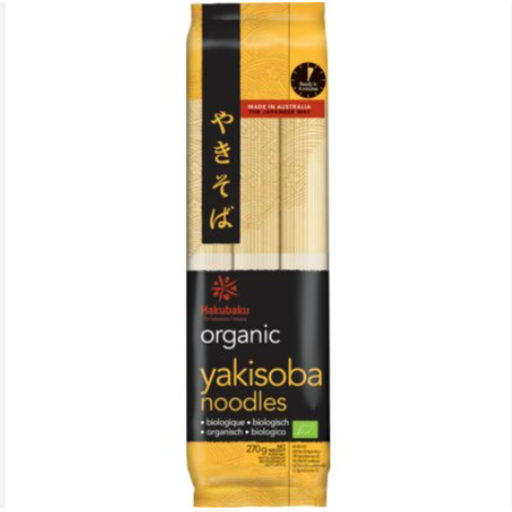
Hakubaku Yakisoba Noodle 270g pack

Hakubaku Yakisoba Noodle 270g

A noodle format for an ordinary wheat-based meal. The listing describes the noodles as organic, but check the pack’s organic ingredients and nutrition declaration before using those details to compare products. Wheat is declared; this is not a general choice for someone avoiding it or following a prescribed texture.

View on Joybuy
Cornwall Pasta Co. Macaroni 500g pack

Cornwall Pasta Co. Macaroni 500g

Macaroni for meals where wheat pasta is suitable. The listing describes organic wheat, while its nutrition figures need checking against the current pack before comparison. It contains wheat and gluten and should not be treated as a gluten-free or texture-modified option.

View on Joybuy
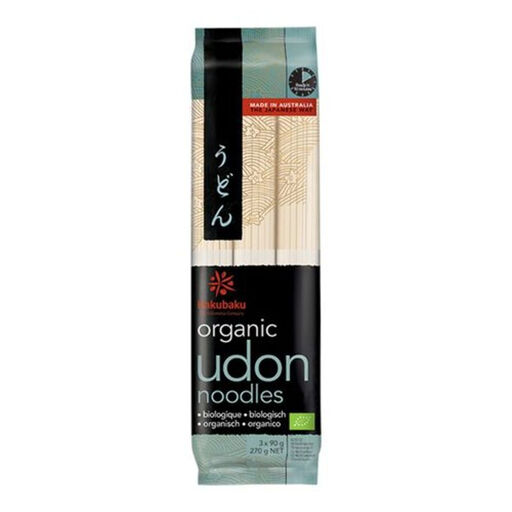
Hakubaku Udon Noodles 270g pack

Hakubaku Udon Noodles 270g

An udon format for a wheat-based noodle meal. The listing describes organic wheat flour; check the current pack for organic labelling and the salt declaration before making a nutrition comparison. The listed wheat also means the pack needs careful review where wheat or gluten must be avoided.

View on Joybuy

Common questions

Does organic pasta offer everything an older person needs from a meal?

No. Organic describes how a food is produced and labelled, not the nutritional completeness of the meal. Under its August 2025 guidance, the UK Department for Environment, Food & Rural Affairs says food labelled organic must meet organic production rules, have at least 95% organic agricultural ingredients and be certified by an approved control body. Consider the other foods served with the pasta as well.

Should every older adult switch to organic wholewheat pasta?

No. It is an option when the person eats wheat, manages ordinary pasta textures and wants a wholegrain pasta. Preferences and the rest of the meal still matter; a prescribed dietary or texture plan takes priority over a wholegrain preference.

Is organic wheat pasta suitable when gluten must be avoided?

Do not assume it is. The Food Standards Agency identifies wheat and pasta among foods associated with cereals containing gluten. Check the specific pack for an appropriate gluten-free claim and read its full allergen information in light of the person’s dietary advice.

Can someone with dysphagia eat ordinary organic pasta?

Ordinary pasta should not be selected on its organic label when someone has a swallowing difficulty. Royal Berkshire NHS Foundation Trust describes specialist speech and language therapy and dietetics assessment as part of dysphagia management; follow the person’s individual food-texture instructions rather than adjusting cooking time by guesswork.

What should I check on a pasta pack before using it?

Read the current ingredients, allergen statement, cooking and storage instructions, and the basis of any nutrition figures you intend to compare. Marks & Spencer advises checking the product label because information on a retailer page can change.