If pasta is an extra dish for pie and mash night, choose organic durum-wheat pasta for a conventional wheat-pasta recipe or organic wholegrain wheat pasta when its formulation is your priority. If gluten-free suitability matters, choose a product explicitly labelled gluten-free instead: an organic claim does not establish that it is free from gluten. Check ingredients and allergens separately, and assess any jarred sauce as a separate purchase.
Who is choosing organic pasta?
Organic-label checkers
You want to know what an organic claim confirms rather than relying on packaging design or a brand name. The Department for Environment, Food & Rural Affairs states that food labelled organic must meet organic production rules.
Everyday wheat-pasta shoppers
You want a familiar pasta recipe for an extra dish during the shop. Tesco Groceries lists organic spaghetti options, while Sainsbury's lists SO Organic spaghetti made from organic durum-wheat semolina.
Gluten-free or wholegrain planners
You need to distinguish a gluten-free recipe from wholegrain wheat pasta, then check the ingredients, allergens and cooking instructions for the pack you choose. Biona lists wholegrain wheat spaghetti; Clearspring lists organic gluten-free penne made from a non-wheat grain blend.
What matters when choosing?
If pasta is an extra dish for pie and mash night, establish any gluten-free requirement before choosing between conventional and wholegrain wheat recipes.
| Concern |
What to check |
Who this matters to |
| Organic claim |
Check that the particular product is labelled organic; read its ingredients and allergens separately. The Department for Environment, Food & Rural Affairs says organic food labelling must meet organic production rules. |
I want an organic claim I can identify on the pasta itself, not an assumption based on the brand. About 33% of consumers put verification of that claim first. |
| Everyday meal fit |
Choose a shape for the intended dish, then check pack weight and cooking instructions. Compare pack sizes on the same weight basis. |
For an extra pasta dish, I want a familiar wheat recipe that fits the meal and the quantity I need; about 27% of consumers prioritise that practical fit. |
| Gluten-free suitability |
Look for explicit gluten-free labelling and check the physical pack's ingredients and allergen information. Organic wheat pasta is not a gluten-free alternative. |
If the pasta needs to be gluten-free, an organic wheat recipe will not meet my requirement. About 20% of consumers make gluten-free suitability their primary concern. |
| Wholegrain recipe |
Check that the pasta is wholegrain, compare fibre figures only on the same per-100-g basis, and read any allergen cautions. |
I prefer a wholegrain wheat recipe and want to consider its flavour and texture as well as its label; about 20% of consumers put that choice first. |
Checks that are easy to miss
-
Assuming organic means gluten-free
Sainsbury's SO Organic spaghetti contains durum-wheat semolina, whereas Clearspring's organic gluten-free penne uses a different grain blend. The organic claim does not settle gluten-free suitability.
When gluten-free suitability is required, choose an explicitly labelled product and check the ingredients and allergen information on the physical pack.
-
Comparing packs without checking their weight
The cited Clearspring penne comes in a 250 g pack, while the cited Sainsbury's spaghetti comes in a 500 g pack. One pack of each supplies a different quantity.
Check the weight you need for the dish before comparing packs, particularly across wheat and gluten-free recipes.
-
Treating wholegrain as an allergy-safe alternative
Biona's wholegrain spaghetti is made from wheat. Biona also warns that this product is unsuitable for people with soya or mustard allergies because of its manufacturing methods.
Choose wholegrain for the recipe you want, but check the exact product's ingredients and manufacturer allergen cautions before serving it.
Brands to consider
Tesco Organic
Tesco Groceries lists organic spaghetti alongside wholewheat pasta in its wholewheat-and-organic pasta range.
- The range gives shoppers wheat-pasta variants to compare within one retailer listing.
- Check the exact pack: appearing in a combined wholewheat-and-organic category does not make every item organic.
Sainsbury's SO Organic
Sainsbury's lists SO Organic spaghetti made from organic durum-wheat semolina in a 500 g pack.
- The stated ingredient makes this a clear example of organic wheat spaghetti.
- It contains wheat, so it is not a gluten-free option.
Biona Organic
Biona lists organic wholegrain spaghetti made with wholegrain durum-wheat semolina and water.
- Its product page gives a fibre figure per 100 g for comparison with other pasta labels on the same basis.
- It contains wheat, and Biona warns that this spaghetti is unsuitable for people with soya or mustard allergies because of manufacturing methods.
Clearspring
Clearspring lists organic gluten-free penne made with brown rice, quinoa, amaranth and corn flour.
- This recipe provides an explicitly gluten-free route distinct from organic wheat pasta.
- Check the 250 g pack size and the physical pack's ingredients and allergen information against your requirements.
Duchy Organic
Waitrose & Partners lists Duchy Organic fusilli and spaghetti in its organic rice, pasta and pulses range.
- The listing offers two dry-pasta shapes to consider for different dishes.
- Check the exact variant's ingredients and allergens rather than applying one product's details to the range.
Joybuy noodle selections
These Hakubaku wheat noodles are choices for a separate noodle dish during the same shop, not conventional durum-wheat pasta or a gluten-free alternative. Check the physical pack's organic labelling and ingredients if the organic claim is essential to your choice.
 No image available
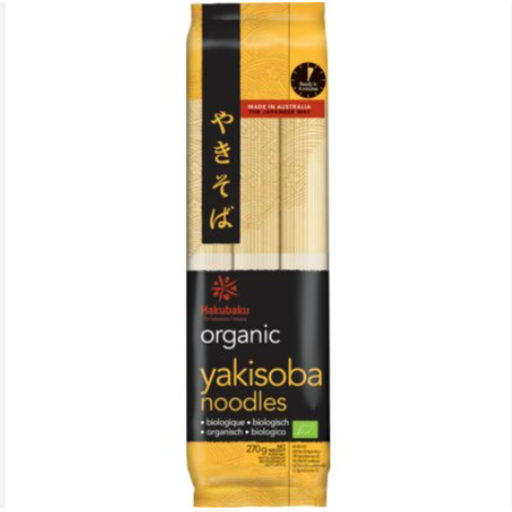
Hakubaku Yakisoba Noodles 270 g
Consider these for a separate yakisoba-style noodle dish rather than a conventional pasta accompaniment. The pack is 270 g; the noodles contain wheat, so check the physical pack's organic labelling and allergen information before choosing them.
View on Joybuy
 No image available
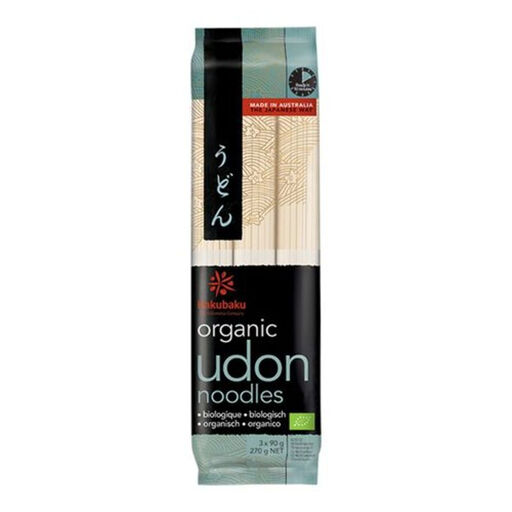
Hakubaku Udon Noodles 270 g
Consider these when you want udon for a separate noodle dish rather than durum-wheat pasta. The pack is 270 g; the noodles contain wheat, and the physical pack should be checked for its organic labelling, ingredients and allergens.
View on Joybuy
Common questions
What does organic mean on pasta sold in the UK?
The Department for Environment, Food & Rural Affairs states that food labelled organic must meet organic production rules. That claim does not tell you whether the pasta is gluten-free or suitable for a particular allergy, so check those details separately on the product.
Is organic pasta automatically gluten-free?
No. Sainsbury's SO Organic spaghetti, for example, is made from organic durum-wheat semolina. If gluten-free suitability is required, choose pasta explicitly labelled gluten-free and read the physical pack's ingredients and allergen information.
How should I store an organic pasta sauce after opening?
Follow the instruction on the exact jar. For Mr Organic Basilico sauce, Waitrose & Partners says to refrigerate it after opening and consume it within 72 hours; another sauce may have different instructions.


