What to check when buying
Start with whether an organic claim matters to you. Grain choice, meal planning and allergen suitability are separate checks.
| Concern |
What to check |
Who this matters to |
| Organic claim |
Check the exact product’s organic wording and certification details. The Department for Environment, Food & Rural Affairs sets production and approved control-body conditions for UK organic food labelling. |
If I am buying pasta specifically for its organic status, I need a claim on the product rather than suggestive packaging; about 42% of consumers put a verified organic claim first. |
| Pack practicality |
Match the shape and pack size to planned meals, and read any serving and cooking guidance on the pack. |
For a first cupboard shop, I want a quantity I can plan meals around without guessing portions; around 33% of consumers put pack practicality first. |
| Grain and allergens |
Look for wholewheat wording if that is your grain choice. Check the current pack’s wheat, gluten and other relevant allergen statements. |
If I want wholewheat or need to avoid an ingredient, an organic label does not answer that question; about 25% of consumers put grain choice and dietary fit first. |
Pasta and noodle selections on Joybuy
These packs cover macaroni for cupboard meals and wheat noodles for yakisoba, soups or stir-fries. If organic status is essential, check the current UK organic labelling for the exact pack before choosing one.
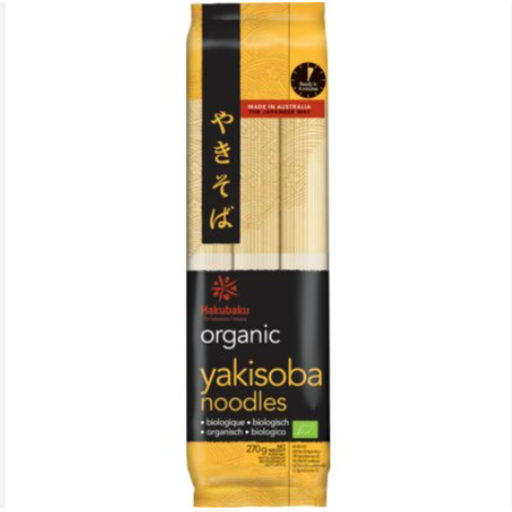 Image unavailable
Hakubaku Yakisoba Noodle 270g
A 270g noodle pack to consider for yakisoba-style meals. It contains wheat; if you are buying it for an organic claim, check the current pack’s UK organic labelling and allergen details.
View on Joybuy
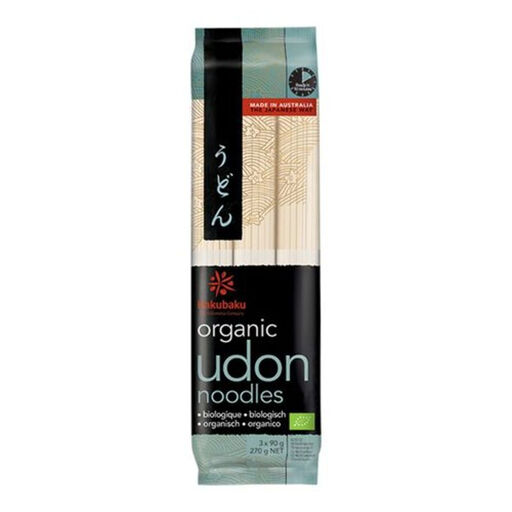 Image unavailable
Hakubaku Udon Noodles 270g
A 270g wheat-noodle pack for planned soups or stir-fries. Check whether the quantity suits your meals, and check the current pack’s UK organic labelling if certification is your priority.
View on Joybuy
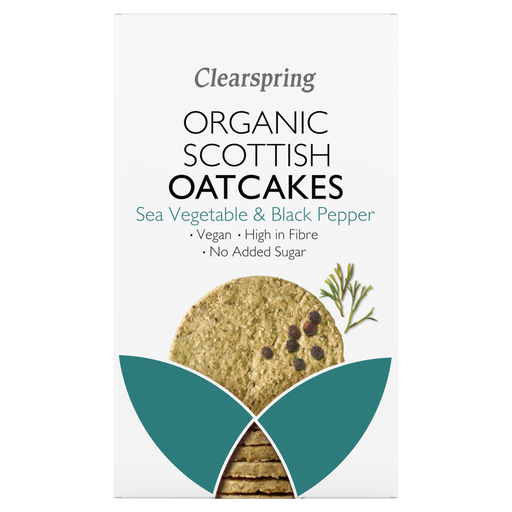 Image unavailable
Cornwall Pasta Co. Macaroni 500g
A 500g macaroni pack for cupboard meals such as pasta dishes or soups. It contains wheat and gluten; check the current pack’s organic labelling if that claim is central to your choice.
View on Joybuy
Common questions
What does organic mean on pasta in the UK?
Under the UK food-labelling guidance from the Department for Environment, Food & Rural Affairs, food labelled organic must meet organic production rules, have at least 95% organic agricultural ingredients, and have its product and suppliers certified by an approved organic control body. Check the claim on the exact pasta pack.
Is organic pasta automatically wholewheat?
No. Organic status and wholegrain content are separate characteristics. If wholegrain is your aim, look for wholewheat or wholegrain wording; NHS guidance identifies wholegrain varieties as a way to get more fibre.
Is organic pasta gluten-free?
Not necessarily. The organic pasta examples from Tesco, Sainsbury’s and M&S contain durum wheat, and the Food Standards Agency identifies wheat-containing pasta as a gluten source. If you need to avoid gluten, choose pasta specifically labelled gluten-free and check its current allergen information.
How should I store dried organic pasta after opening?
Follow the storage directions on your pack. Tesco advises keeping its dried spaghetti in a cool, dry place and transferring it to an airtight container after opening; instructions for another product may differ.
Will the same pasta shapes be available at every shop?
Not necessarily. M&S notes that availability can vary between selected stores and online, so check your chosen shop’s current range before planning a meal around a particular shape.


