Shoppers avoiding wheat or gluten
Start with the allergen you need to avoid, not an organic claim. The organic wheat pasta examples listed by Sainsbury's and ASDA illustrate why the current product label matters.


Choose organic wheat pasta only if wheat and gluten are compatible with the allergies you need to manage: organic status does not establish allergen suitability. If avoiding wheat, gluten or egg comes first, look for a product whose current ingredients and allergen information address that specific need. Check any sauce separately, because a suitable pasta does not establish that the whole meal is suitable.
Start with the allergen you need to avoid, not an organic claim. The organic wheat pasta examples listed by Sainsbury's and ASDA illustrate why the current product label matters.
Organic durum-wheat pasta may fit your preference if its current ingredients and allergen information also meet your household's requirements.
Check the pasta and each accompaniment separately, particularly when household members avoid different allergens. The Food Standards Agency identifies sauces as foods in which allergens including mustard and soya can occur.
Identify the allergen to avoid before filtering by organic status or pasta shape. Then check the current label of every component you plan to serve.
| Concern | What to check | Who this matters to |
|---|---|---|
| Named allergen | Read the ingredients, highlighted allergens and any precautionary statement for the allergen you need to avoid. An organic claim is not a substitute. | If I need to avoid wheat, an organic pasta made from durum wheat is not an option for me. About 36% of consumers put avoiding their named allergen first. |
| Organic preference | Confirm the organic designation and check ingredient and allergen compatibility separately. | I would like organic pasta, provided its ingredients fit my allergy requirements. Roughly 29% of consumers make that combination their primary concern. |
| Whole-meal ingredients | Read the sauce's own ingredients and allergen information, along with those of other prepared accompaniments. | A suitable dry pasta does not settle my choice if I am also buying sauce for the meal. Around 21% of consumers put checking the complete meal first. |
| Repeat purchases | Identify the exact product you intend to buy again, but read its current pack each time, including after a substitution. | When I buy a familiar pasta again, I need its current label to meet the same allergy requirement. About 14% of consumers prioritise that repeat-purchase check. |
Sainsbury's SO Organic Spaghetti and ASDA Organic Penne are made with durum wheat semolina. Their organic status does not make them suitable for someone avoiding wheat or gluten.
Check the named allergen and current ingredients before using organic status as a selection preference.
ASDA Free From Penne is labelled free from cereals containing gluten and eggs. That wording alone does not establish suitability for someone avoiding a different allergen.
Match the exact claim to your requirement, then read the full ingredients and any precautionary statement.
The Food Standards Agency identifies sauces as foods in which mustard and soya can occur. The pasta's allergen information does not cover a sauce served with it.
Check sauces and other meal components against the relevant allergens in their own right.
Ingredients and allergy information can change. Sainsbury's advises checking packaging before purchase or consumption.
Read the pack you receive, including when a familiar product has been substituted.
An organic dried-pasta range represented here by SO Organic Spaghetti.
An organic dried-pasta range represented here by Organic Penne.
A separate route when a named Free From claim matters more than organic status.
Tesco provides separate browsing sections for Wholewheat & Organic Pasta and Gluten Free & Free From Pasta.
Its pasta range includes both organic options and Made Without alternatives.
A branded gluten-free pasta range offered in several shapes.
These options include wheat-based macaroni and noodles for shoppers considering an organic route, plus a gluten-free lasagne option. Match each current pack to the allergen you need to avoid; the noodle styles serve different meals from conventional dried pasta.
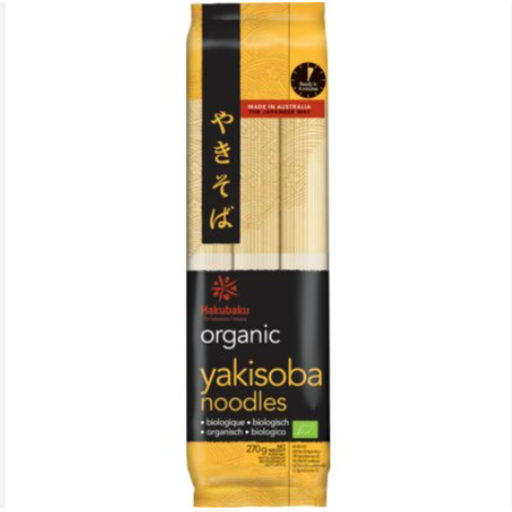 Image unavailable
For an organic-first stir-fry choice, consider this yakisoba noodle only if wheat is compatible with your allergy requirements.
The pack is labelled 270 g. Product information identifies wheat; check the current pack for its full ingredients and precautionary advice.
 Image unavailable
For an organic-first macaroni purchase, check the pack's organic designation and choose this wheat-based option only if wheat and gluten are compatible with your requirements.
The pack is labelled 500g. Product information identifies wheat and gluten; read the current pack's complete allergen and precautionary information.
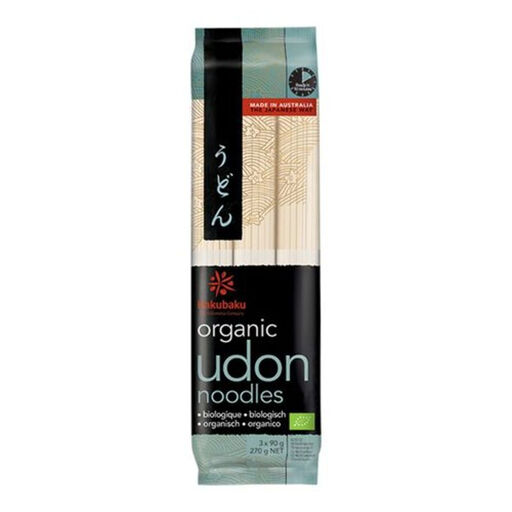 Image unavailable
For an organic-first soup or stir-fry, this udon noodle is a different format from conventional pasta and should be considered only if wheat is compatible with your requirements.
The pack is labelled 270g. Product information identifies wheat; confirm the current ingredients and any precautionary statement on the pack.
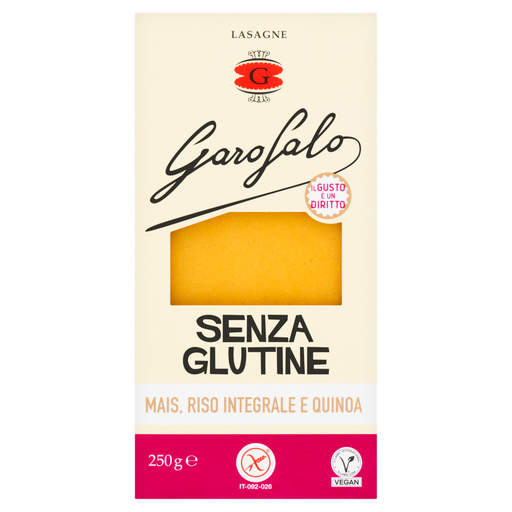 Image unavailable
For a lasagne dish where gluten avoidance is the priority, consider this gluten-free-labelled pasta after checking the current pack against every allergen you need to avoid.
The pack is labelled 250g. Its gluten-free name does not establish suitability for other allergens or an organic designation; check those separately if they matter to you.
Not on the strength of its organic status. Sainsbury's SO Organic Spaghetti is made from organic durum wheat semolina, and ASDA Organic Penne contains wheat, so check the ingredients and allergen information of the product you intend to buy.
No such broader claim follows automatically. ASDA Free From Penne is specifically labelled free from cereals containing gluten and eggs; check its current ingredients and allergen information for any other allergen you need to avoid.
The Food Standards Agency describes precautionary allergen labelling as indicating that a regulated allergen could be unintentionally present. It is different from an ingredient declaration; assess the statement against the allergy-management advice relevant to you.
Ingredients and allergy information can change. Sainsbury's advises checking packaging before purchase or consumption, so use the label on the pack you receive, particularly after a substitution.
Yes. The Food Standards Agency identifies sauces as foods in which allergens including mustard and soya can occur; a suitable plain pasta does not establish the suitability of a sauce served with it.