Phone-first households
You want to preserve phone battery for household contact and alerts, while allowing for the possibility that mobile service could also be disrupted. UK Government Prepare advises keeping important contact numbers on paper.


Choose a charged power bank and a compatible cable if keeping a phone usable is your first priority. Add a battery or wind-up radio if you also want a way to receive broadcasts when home internet or mobile service is disrupted; check its reception and power source, because neither device guarantees access to updates.
You want to preserve phone battery for household contact and alerts, while allowing for the possibility that mobile service could also be disrupted. UK Government Prepare advises keeping important contact numbers on paper.
You want a way to listen for updates without relying on home internet. UK Government Prepare suggests keeping a battery or wind-up radio, spare batteries and a note of useful station frequencies.
You need equipment that remains ready after time in a cupboard. That means checking a power bank's charge and following the relevant battery-storage instructions, not choosing on capacity alone.
For a household preparing for a power cut, decide which need comes first, then check that each device can be powered and used with the equipment you already have.
| Concern | What to check | Who this matters to |
|---|---|---|
| Phone power | Match the power bank's connectors and output to your phone, and keep a compatible cable with it. Check how the bank itself recharges. | If I need my phone for household contact, I want a charging option ready before mains power fails. Around 36% of consumers put phone-power continuity first. |
| Broadcast updates | Check whether the radio receives your intended FM, DAB or DAB+ stations, and confirm its battery type or recharging method. | When home internet is unavailable, I want another way to listen for updates. Roughly 29% of consumers make broadcast access their primary concern. |
| Stored-kit readiness | Follow the power bank maker's storage instructions; check spare-cell format, storage conditions and the kit periodically. | If the kit stays stored for months, I need its power sources to be usable when I take it out. About 21% of consumers put readiness between disruptions first. |
| Lighting and spare cells | Decide whether to keep a separate torch or a combined torch-radio, and buy only the cell size and chemistry the chosen devices require. | I want light without relying on my phone torch and replacement cells that fit my equipment. Approximately 14% of consumers prioritise lighting and spare-cell readiness. |
A power bank can supply a compatible phone with power, but it cannot restore an unavailable network. UK Government Prepare warns that mobile signal may be affected during a power cut.
Keep important contact numbers on paper and consider a battery or wind-up radio as a separate route to broadcasts. Do not assume either route will always be available.
A radio may not meet your needs if it cannot receive your intended stations or its battery requirements do not match the cells you have stored.
Check the exact model's reception bands, power source and required batteries. Note useful station frequencies before you need them.
A rechargeable bank needs maintenance according to its maker's instructions, while unsuitable conditions can reduce spare-battery performance.
Check the kit periodically. Anker's long-term storage guidance for its power banks recommends recharging every three months; follow the instructions for your own model. Duracell advises dry, room-temperature storage for its batteries.
GOV.UK warns that lithium-ion batteries can catch fire in rubbish, particularly if wet or damaged.
Use an appropriate battery collection point or household waste recycling centre. Treat a power bank with a non-removable battery as an electrical item, and follow local collection instructions.
Anker's Nano Power Bank model A1259 is one example to examine if USB-C phone charging is your priority; Anker identifies it as a 10,000mAh model with a built-in USB-C cable.
Roberts describes its SolarDAB 99 as a DAB/DAB+/FM radio with USB-C, solar and hand-crank charging options.
Duracell is relevant when choosing replacement cells for a radio or torch that takes compatible disposable batteries.
These power banks, AA cells and charging cable address phone power and supporting kit supplies. Choose a radio separately by its reception and power requirements if broadcasts are part of your plan.
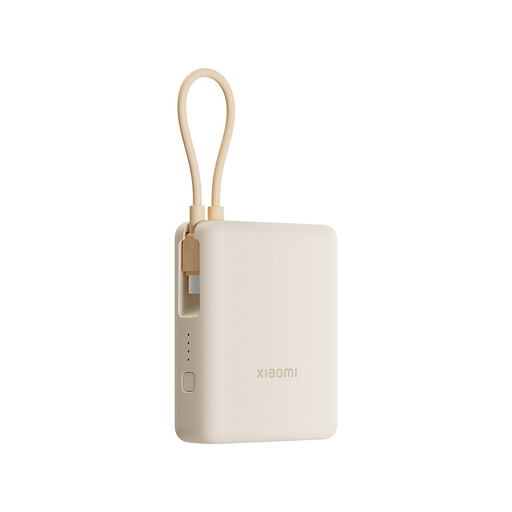 No image available
A phone-charging option if its integrated cable and output suit your device.
The listed capacity is 10000mAh and the stated output rating is 33W; neither figure establishes how many full charges your phone will receive. Check the model's storage instructions before leaving it in a kit.
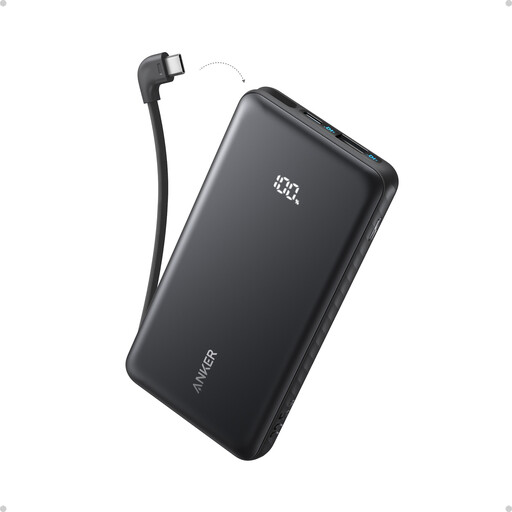 No image available
The built-in cable may suit a stored phone-charging kit if your phone uses the compatible connection.
Its stated capacity is 10000mAh and its stated output rating is 22.5W. Confirm your phone's charging requirements and follow this model's storage instructions.
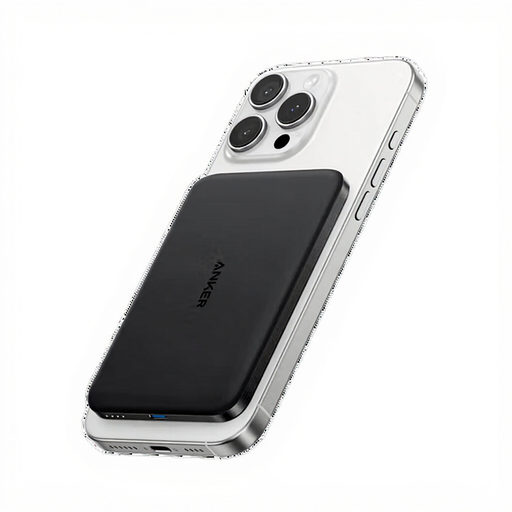 No image available
Consider magnetic wireless charging only if your phone and case support the required connection.
The stated capacity is 5000mAh and the stated wireless charging rating is 15W. If you also need wired charging, confirm the exact model's connections before buying.
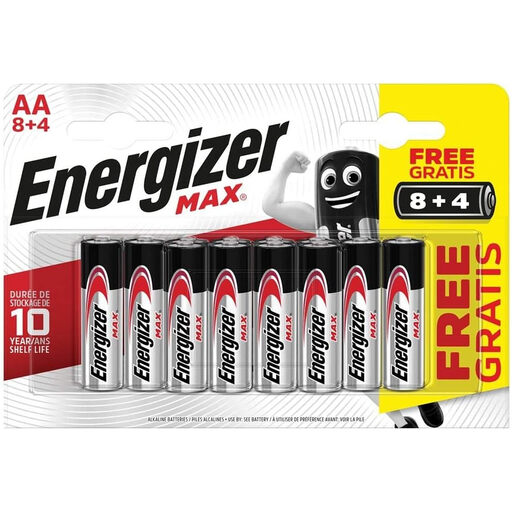 No image available
These are spare cells for a radio or torch that specifies AA alkaline batteries.
Check the device's required size and chemistry before buying, and store the cells according to the battery maker's instructions.
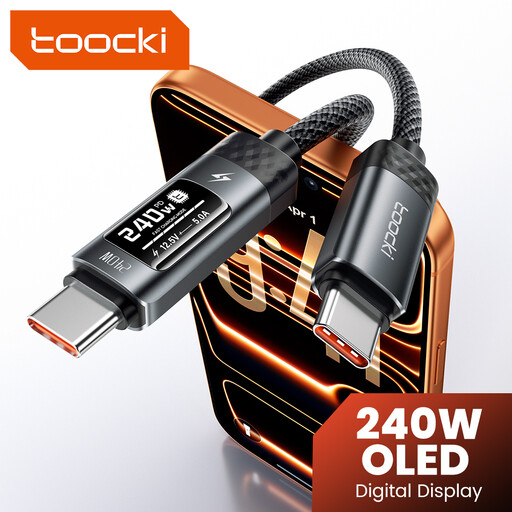 No image available
A spare lead may be useful alongside a charged power bank, provided its connectors fit both devices.
The listed cable length is 3.3 ft and its stated power rating is 240W. The cable does not supply power by itself; check both connector types and charging requirements.
A charged, compatible power bank can power your phone, but it cannot guarantee a connection. UK Government Prepare warns that a power cut may also affect mobile signal, so keep important contact numbers on paper.
Choose a battery radio if you can keep its specified spare cells ready; consider a wind-up model if you want another stated way to replenish its power. For either type, check reception for the stations you intend to use. UK Government Prepare says updates might be communicated by radio during a power cut, not that reception or updates are guaranteed.
Follow the instructions for your exact model and check its charge periodically. For Anker power banks, Anker's long-term storage guidance recommends about 60% charge and recharging every three months; that interval is not a rule for every power bank.
Buy AA cells only if the device specifies that size and a compatible chemistry. Duracell advises storing its batteries in a dry place at room temperature and avoiding extreme heat or cold.
Use an appropriate battery collection point or household waste recycling centre rather than household rubbish. GOV.UK advises treating a power bank whose battery cannot be removed as an electrical item; follow the collection point's instructions for damaged batteries.