
24/7 Customer Support

Free returns

Same-day & Next-day Delivery

Quality Guaranteed

Unlock Your Welcome Offers: FREE Delivery | Up to 80% OFF | Free 30-day JoyPlus trial
Download the APP
That heart-stopping moment when your phone slips from your grasp is an all-too-common experience. Whether you're navigating a busy train station, trying to manage shopping bags or capturing a moment at a festival, keeping your device both safe and accessible is a constant challenge. A phone lanyard offers a simple, practical solution, transforming your phone into a wearable, hands-free accessory.
However, the market is flooded with options and not all are built to last. A poorly chosen mobile phone strap can lead to more than just disappointment; it can result in the very accident it was meant to prevent. Before you buy, it's crucial to understand the common design flaws that can turn a helpful accessory into a liability.
Many phone lanyards look great online but fail in practice. Here are three frequent issues that UK shoppers encounter, leading to wasted money and potential damage to their devices.
The single most critical part of any phone lanyard is how it connects to your device. Many universal designs rely on a thin plastic or fabric tab that slips inside your phone case. If this tab is made from a brittle, low-quality material, it can easily tear or snap under the weight and movement of the phone, especially after a few weeks of use. This is the number one point of failure.
A strap that feels fine for five minutes can become a major irritant after a full day of wear. Cheaper lanyards often use rough, stiff nylon or polyester that can chafe the skin on your neck or wrist. This is particularly noticeable during warmer months or when you're active. A good hands-free phone holder should be comfortable enough to forget you're wearing it.
A "one-size-fits-all" claim often means "one-size-fits-none". A crossbody phone strap that is too short is awkward and restrictive, while one that is too long allows your phone to swing around excessively. The real problem lies in the adjustment hardware. Flimsy plastic sliders or buckles that don't lock in place can loosen throughout the day, causing the strap to lengthen unexpectedly and increasing the risk of your phone hitting a surface.
To find a reliable phone lanyard that suits your needs, focus on these core features.
Understanding how the lanyard attaches is key.
iPhone crossbody strap that uses magnetic systems (like MagSafe) to attach directly to a compatible case. These offer a very secure and seamless connection but are limited to specific phone models and cases.The material of the strap dictates its comfort, durability and appearance.
phone neck strap more comfortable for extended wear.crossbody phone strap, look for an adjustable length of at least 1.2 metres (around 47 inches) to ensure it can fit comfortably over jackets and across different body types.Pay close attention to the small metal or plastic parts. The clasps, buckles and length adjusters should be made from sturdy materials. Metal hardware is generally more durable than plastic. Check that the adjustment mechanism is smooth to operate but firm enough to hold its position without slipping under the weight of your phone. This ensures your anti-theft phone lanyard stays at the length you set it.
Based on these practical criteria, we've identified several options that align with different user needs and lifestyles.
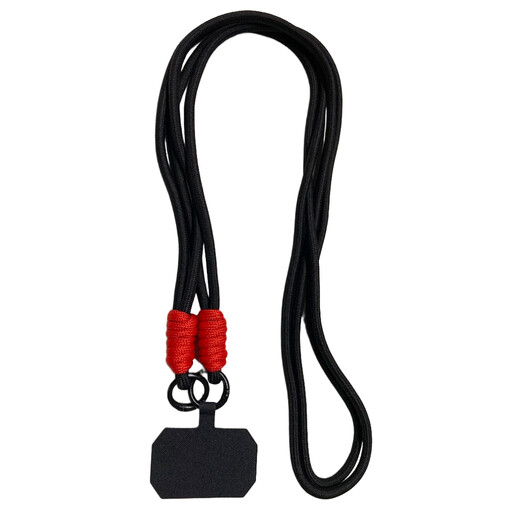
Why This Fits Their Persona: This is a no-fuss, functional choice for daily use. It's ideal for keeping your hands free while navigating the Tube, paying with your phone or managing a coffee on the way to the office. Its universal design works with most phone cases.
It uses a standard, durable attachment tab and a soft, flexible strap, avoiding the common pitfalls of abrasive materials and weak connection points found in many affordable options.
Its key advantage is its straightforward functionality and universal compatibility. The 1.2-metre length is suitable for crossbody wear for most users.
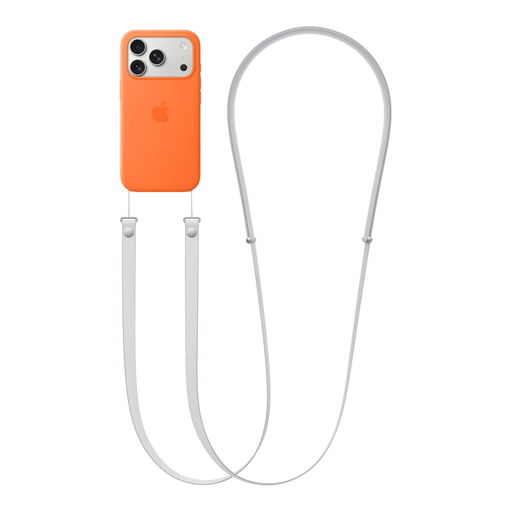
Why This Fits Their Persona: For those who value seamless integration and premium design, this strap is built to work perfectly with compatible iPhone cases. It reflects a minimalist aesthetic and commitment to quality materials.
It completely bypasses the 'weak link' pitfall by using a robust magnetic attachment system instead of a universal tab. The strap, made from 100% recycled PET yarn, is soft, comfortable and durable.
The secure magnetic attachment and smooth, reliable length adjustment are its main strengths. The use of sustainable materials is a significant plus for environmentally conscious users.
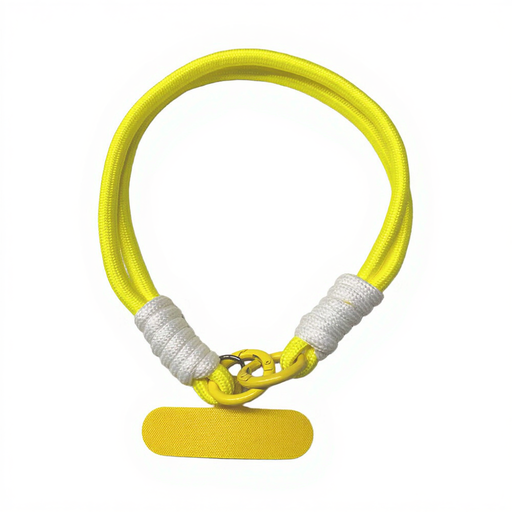
Why This Fits Their Persona: Not everyone wants a full crossbody strap. This phone wrist strap is for the user who wants to keep their phone in hand but needs an extra layer of security against drops, perfect for taking photos or quick errands.
By focusing on a single purpose, it excels. The strap is made from a strong but soft material comfortable for wrist wear and the attachment system is built for security, addressing the 'weak link' issue.
Its primary advantage is its compact, unobtrusive design. It provides drop protection without the bulk of a full-length lanyard, making it ideal for minimalist users.
We have compiled a complete, real-time list of products that fully satisfy these strict selection criteria and UK safety regulations.
Most universal lanyards use a thin but durable tab that you place inside your phone case. The tab has a small loop that pokes out through the charging port opening of the case. You then clip the lanyard onto this exposed loop. It's a simple system that is compatible with the vast majority of full-coverage phone cases.
This is a common concern, but most lanyard tabs are designed to be ultra-thin and sit flat inside the case, so they do not obstruct the charging cable. The loop that the lanyard clips onto is external and sits below the port. However, it is always a good idea to check that your charging cable can be inserted fully after installing the tab.
Regular inspection is key. Before each use, give the strap, clasps and especially the attachment point a quick check for any signs of fraying, cracking or wear. Keep the strap clean and dry and avoid exposing it to excessive force or sharp objects. If you use a universal tab, replacing it every 6-12 months (depending on use) is a low-cost way to maintain security.