
24/7 Customer Support

Free returns

Same-day & Next-day Delivery

Quality Guaranteed

Unlock Your Welcome Offers: FREE Delivery | Up to 80% OFF | Free 30-day JoyPlus trial
Download the APP
As more of us across the UK embrace plant-based eating, the variety of vegan groceries UK and vegetarian options available online has expanded dramatically. While this choice is welcome, it can also make shopping a challenge. Navigating marketing claims to find products that are genuinely nutritious, tasty and good value for money requires a bit of know-how. As a Joybuy Product Recommendation Officer, my role is to help you identify the key markers of quality, so you can stock your kitchen with confidence.
This guide cuts through the clutter, highlighting common pitfalls and the essential factors to check before you buy.
The convenience of ordering vegetarian food online is undeniable, but it's easy to fall into a few common traps that lead to disappointment and wasted money.
plant-based meat alternatives is poor texture. We've all experienced a veggie burger that turns to mush or vegetarian sausages with a rubbery, unappealing consistency. This often leads to the product being used once and then left to languish in the freezer.high protein vegan food, but the reality can be different. Sometimes, the serving size required to get a meaningful amount of protein is impractically large, or the protein content per 100g is surprisingly low compared to other options.To avoid these pitfalls, focus on a few core parameters. These objective checks will help you make informed decisions, whether you're looking for a quick meal or healthy pantry staples.
The nutritional information is your most reliable tool. Instead of relying on front-of-pack claims, turn the product over and look for these key figures per 100g:
The primary ingredient dictates the product's texture, nutritional profile and how it cooks. Common bases include:
Quorn products. It's known for its fibrous, meat-like texture and is typically high in protein and fibre while being low in fat.buy lentils online or pick up a tin of chickpeas, you're getting an affordable, unprocessed source of protein and fibre. They are foundational healthy pantry staples.Consider how a product will fit into your lifestyle. Are you looking for a ready-to-eat snack, a quick-cook ingredient for meat-free meals or a bulk item for meal prepping? Frozen items like mince or fillets offer great convenience, while tinned pulses and grains are invaluable for stocking a versatile pantry.
Based on these practical criteria, here are a few products suited to different needs and lifestyles.
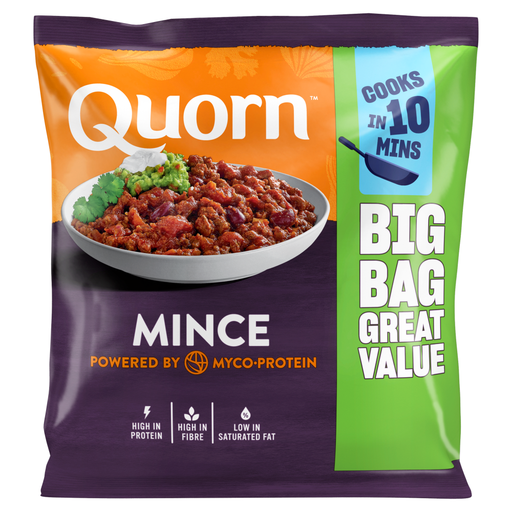
Why This Fits Their Persona: Perfect for anyone in the UK needing to get a hearty meal on the table quickly. It can be used directly from the freezer as a direct substitute for mince in bolognese, chilli or shepherd's pie, cutting down on prep time.
It sidesteps the "texture disappointment" trap. The mycoprotein base provides a consistent and satisfying texture that holds up well in sauces, avoiding the mushiness of some soy-based alternatives.
High in protein (10g/100g) and fibre (7g/100g) while being very low in saturated fat (0.4g/100g). Cooks from frozen in around 10 minutes.
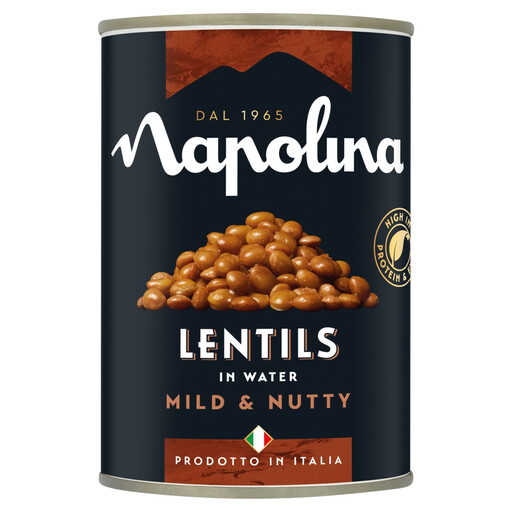
Why This Fits Their Persona: An essential for anyone building a reliable plant-based pantry. These pre-cooked lentils are ready to be added to salads, soups or curries instantly, making them a cornerstone for quick, nutritious meal creation.
This product completely avoids the "health halo" trap. It contains just lentils and water, with no hidden salt, sugar or fats. Its nutritional profile is transparent and naturally robust, offering 7.8g of fibre per 100g.
Maximum convenience and versatility. As a minimally processed whole food, it's a cost-effective way to add protein and fibre to any meal without any cooking time.

Why This Fits Their Persona: For those seeking a flavourful, ready-to-eat snack that's genuinely satisfying. This vacuum-packed dried tofu offers an authentic Sichuan flavour and a firm, chewy texture, making it a great on-the-go option for a protein boost.
It directly counters the "protein puzzle" and "flavour disappointment" traps. It clearly delivers an impressive 21g of protein per 100g and offers a bold, savoury flavour profile that stands on its own, unlike blander alternatives.
A convenient, high-protein snack that requires no preparation. The individual packaging makes it perfect for lunchboxes or post-gym fuel.
We have compiled a complete, real-time list of products that fully satisfy these strict selection criteria and UK safety regulations.
Focus on incorporating a variety of protein sources into your meals. Excellent options include lentils, chickpeas, beans, tofu, tempeh and mycoprotein-based products. When choosing processed alternatives, always check the protein per 100g on the nutritional label to ensure you're selecting a genuinely high protein vegan food.
Not necessarily. While many alternatives are lower in saturated fat and cholesterol than meat, some can be high in sodium and additives. The healthiest approach is a balanced one. Use convenient plant-based meat alternatives for quick meals, but also prioritise whole foods like lentils, beans and vegetables, which form the foundation of a nutritious diet.
To start, stock your pantry with versatile, long-life items. Good choices include:
buy lentils online in dried or tinned form; both are excellent.vegetarian sausages can be lifesavers for quick dinners.