
24/7 全天候客户支持

免费退货

当日/次日达

品质保障

开启新人专享福利: 全场免邮 | 低至 2 折 | 免费试用 30 天 JoyPlus 会员
下载 Joybuy
A play kitchen can be the heart of a playroom, a source of endless imaginative fun where little ones become master chefs and café owners. However, the journey to finding the right one is often filled with potential missteps. Many parents invest in a promising-looking set, only to find it gathering dust or falling apart within months. Before you buy, it's crucial to know what separates a cherished toy from a frustrating piece of clutter.
As a Joybuy Product Recommendation Officer, my role is to help you see past the marketing gloss and focus on what truly matters. Here are the common traps to avoid.
To ensure your choice is a lasting success, focus on these non-negotiable specifications.
The material dictates both the longevity and safety of a play kitchen. A quality wooden play kitchen, often made from sturdy MDF (Medium-Density Fibreboard), multilayer board or solid woods like Schima and rubber wood, offers superior durability. Look for smooth, splinter-free finishes and child-safe, non-toxic paints.
Crucially, always check that the toy complies with UK safety regulations. The key standard to look for is EN71, which ensures the toy has been tested for physical safety, flammability and chemical composition. This certification provides peace of mind that the product is suitable for children.
A toddler kitchen set must be the right size for its user. Check the countertop height—for children aged 3-6, a height between 45cm and 55cm is generally a good range, allowing them to play comfortably while standing. Also, consider the overall footprint, especially if you have limited space. A well-designed role play kitchen will have ample storage like shelves and cabinets to keep all the toy kitchen accessories tidy and organised.
The best interactive elements are those that encourage, rather than replace, imaginative play. Look for features that mimic real-life actions. A clicking rotary knob, a pressable button or a sink with a water circulation system provides satisfying sensory feedback that enhances the role-play experience. These mechanical or simple electronic features are often more durable and engaging than a cacophony of pre-programmed sounds.
To help you match a product to your needs, here are a few options that align with different play styles and spaces.
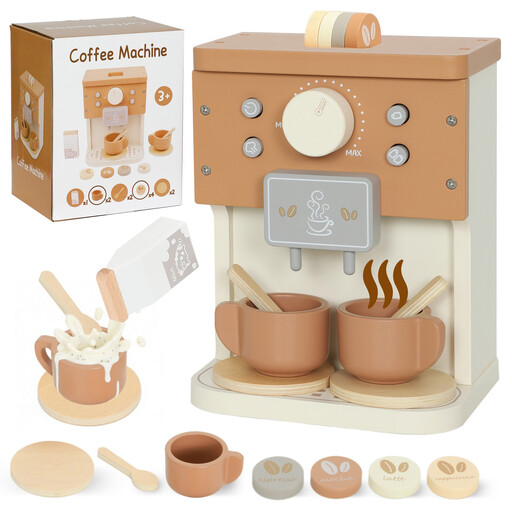
Why This Fits Their Persona: Ideal for families with limited space or those looking to add a specific, engaging activity to an existing play area. It encourages focused role-play around a modern, relatable theme—the local coffee shop.
This set is crafted from strong MDF, multilayer board and rubber wood, avoiding the flimsy material pitfall. It is entirely battery-free, relying on tactile features like clicking knobs to foster imagination.
Its Montessori-inspired design helps develop fine motor skills and coordination. The compact size and built-in storage for all 11 accessories make it a tidy and practical choice.
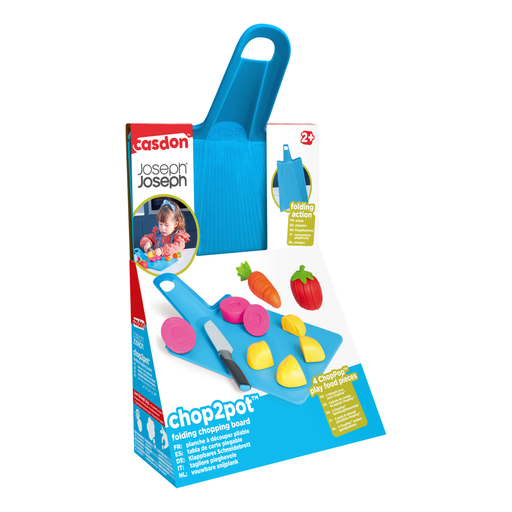
Why This Fits Their Persona: Perfect for children who are fascinated by the real-life process of cooking. This kids cooking set focuses on the single, satisfying task of food preparation, making it a great educational addition to any play kitchen.
This set avoids gimmicks by focusing on realistic play. The innovative Choppop technology allows for safe, realistic slicing without magnets or Velcro which can wear out or get lost.
Made from durable, BPA-free plastic, it is designed for safety and longevity. The foldable cutting mat and soft-grip knife mimic adult tools, promoting excellent hand-eye coordination.
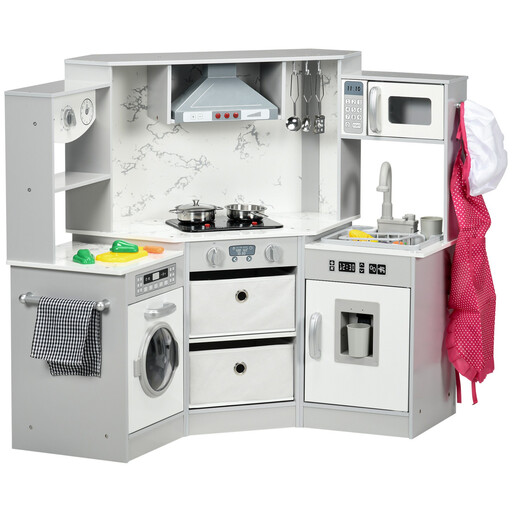
Why This Fits Their Persona: For the family seeking a complete, immersive play centrepiece. This large corner kitchen is designed to be the hub of the playroom, with enough features and space for siblings and friends to play together.
It avoids the scale mismatch with its generous size and multiple, well-proportioned countertops. Its sturdy MDF construction ensures it can withstand enthusiastic play, sidestepping the durability trap.
It strikes a balance between interactive features (lights, sounds, water circulation sink) and open-ended play. Ample cabinet and shelf space keeps the extensive accessory set organised.
We have compiled a complete, real-time list of products that fully satisfy these strict selection criteria and UK safety regulations.
While solid wood is premium, high-quality MDF is an excellent and widely used material for play kitchens. It is stable, less prone to warping than some natural woods and can be finished to a very smooth, safe surface. The key is to ensure it is a good thickness and density and that the product is certified to EN71 safety standards.
For children aged 3-6, a countertop height of approximately 45cm to 55cm is ideal. This allows them to reach the sink and hobs comfortably without stooping or stretching, ensuring the kitchen remains ergonomically suitable for several years of growth and play.
They can be, provided they enhance rather than dominate the play experience. Simple, realistic sounds—like a clicking oven dial or the sizzle of a stove—can add a layer of immersion. The most valuable features are often those that are child-powered, such as a water pump for a sink, as they give the child a sense of control and consequence.