What should you check?
Decide whether you need popcorn itself or a snack that meets a high-protein requirement. Then compare the portion, preparation and label details of the format you would actually choose.
| Priority | What to check | Your needs |
|---|
| Protein |
Compare declared protein per serving as well as per 100g. In Great Britain, legislation.gov.uk sets the “high protein” claim threshold at 20% of a food’s energy from protein; a protein figure alone does not establish this. |
I’m looking for a snack that meets a high-protein requirement, not just one that contains some protein. The assessed popcorn does not meet that claim threshold. |
| Portion |
Check the stated serving against the amount you plan to eat. Tesco Groceries lists 0.9g protein per 10g Propercorn sea-salted pack; ASDA Groceries lists 2.1g per 20g prepared serving of Proper salted microwave popcorn. |
A small pack might suit the portion I want, but its per-100g protein figure is not the amount in the pack. |
| Preparation |
Check whether the popcorn is ready to eat or needs a microwave. For Proper salted microwave popcorn, follow the pack’s cooking and monitoring instructions rather than treating it as an instant snack. |
If I want popcorn straight away, I’d choose a ready-to-eat pack. Microwave popcorn only fits if I can prepare and watch it. |
| Flavour and label |
Compare sugars and salt on the same per-100g or per-serving basis. Check ingredients, dietary declarations and precautionary allergen statements on the exact pack. |
I may prefer sweet or salted popcorn, but I need the label for that flavour to match my ingredient or allergen requirements. |
Relevant popcorn brands and ranges
These references concern the particular products named, rather than every flavour or format sold under each brand.
Propercorn / PROPER
The assessed products include small ready-to-eat sea-salted packs and a salted microwave format.
- Tesco Groceries lists 8.6g protein per 100g and 0.9g per 10g pack for the ready-to-eat sea-salted product.
- ASDA Groceries lists 10g protein per 100g and 2.1g per 20g prepared serving for the microwave product, which requires cooking. Neither product meets Great Britain’s high-protein claim threshold.
Metcalfe’s
The assessed Sweet ’N Salt product is a ready-to-eat option for shoppers who want that flavour.
- Tesco Groceries lists 8.1g protein per 100g and 1.6g per one-quarter pack.
- The same listing states that it contains sweeteners and has 1.3g salt per 100g. It does not meet Great Britain’s high-protein claim threshold.
Tyrrells
The assessed Sweet & Salt popcorn comes in a 23g ready-to-eat pack.
- Tesco Groceries lists 1.4g protein per pack.
- The listing also declares 0.4g salt per pack; the product should not be treated as a high-protein snack.
Tesco
The assessed own-label Sweet & Salted Popcorn is a 110g sharing bag.
- Tesco Groceries lists 6.0g protein per 100g.
- It also lists 22.6g sugars and 1.19g salt per 100g; choose it for its sweet-and-salted format rather than a high-protein requirement.
ASDA
The assessed own-label Sweet Popcorn is a 100g sharing bag.
- ASDA Groceries lists 5.6g protein per 100g.
- The same listing declares 25g sugars per 100g; this is a sweet-popcorn choice, not a high-protein one.
Joybuy snack options
These options are bars and lentil cakes for shoppers considering a non-popcorn snack when protein matters. Check the current nutrition label for the amount in the serving you would eat; a protein-related product name alone does not establish a high-protein claim.
 No image available
Grenade Soft Core Double Chocolate Protein Bar, 12 × 50g
A bar rather than popcorn for a late-night snack; the bundle contains 12 × 50g bars. Check the current protein-per-bar figure, milk and soya allergens, sweeteners and the pack warnings concerning pregnancy, breastfeeding and children.
View on Joybuy
 No image available
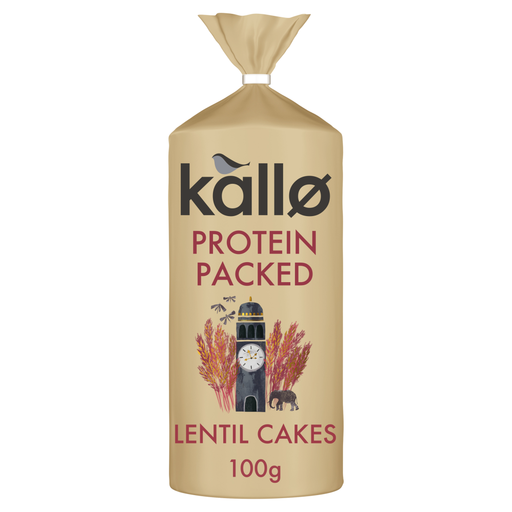
Kallo Protein Packed Lentil Cakes, 100g
A savoury lentil-cake alternative if you want a crisp snack but not necessarily popcorn; the pack is 100g. Check protein per serving and the current precautionary information concerning milk, sesame and soya.
View on Joybuy
 No image available
Nature Valley Protein Peanut & Chocolate Bar, 4 × 40g
A ready-to-eat peanut-and-chocolate bar instead of popcorn; the pack contains 4 × 40g bars. Check the current protein-per-bar figure and allergen information for peanuts, milk, soya and other nuts.
View on Joybuy
Popcorn and protein FAQs
Can popcorn be called high protein in Great Britain?
A food can carry a “high protein” claim in Great Britain only when at least 20% of its energy comes from protein, according to the criterion published on legislation.gov.uk. The popcorn products assessed here fall below that threshold; this does not rule out every other popcorn product.
Which of the assessed popcorn products lists the most protein per 100g?
Proper salted microwave popcorn has the highest declared figure among the assessed products, at 10g per 100g on the ASDA Groceries listing. Its stated 20g prepared serving provides 2.1g protein, and the product does not meet Great Britain’s high-protein claim threshold.
Is microwave or ready-to-eat popcorn easier for a midnight snack?
A ready-to-eat pack needs no cooking. Choose microwave popcorn if you have the equipment and can monitor it: the assessed Proper product’s instructions specify cooking on high for two to three minutes and stopping when the popping slows.
Does a vegan or gluten-free label cover every dietary requirement?
No. Check the exact product’s current ingredients and precautionary allergen statement as well as its dietary declarations. The assessed Proper microwave popcorn carries a may-contain-milk warning, so a dietary description should not replace an allergen check.
Why check the packet if I have already read a product listing?
Use the current packet for ingredient, allergen and precise nutrition decisions, because product information can change. Compare its stated serving with the portion you intend to eat.


