Late-night popcorn snackers
If crunch and a manageable portion are the main reasons for eating, compare the bag or serving you plan to have rather than treating popcorn as a protein food.


Choose standard popcorn if you mainly want a crunchy evening snack, not a substantial amount of protein: the listed UK examples provide 1.4g to 2.3g per stated portion. If protein is the reason for supper, compare dedicated protein snacks by the amount in the portion you would eat. For people with reflux, bedtime timing may matter more than which snack they choose.
If crunch and a manageable portion are the main reasons for eating, compare the bag or serving you plan to have rather than treating popcorn as a protein food.
If the snack needs to contribute a substantial amount of protein, compare protein per portion across food types. A popcorn-flavoured protein bar is not the same food as popcorn.
If you experience reflux, consider when you will lie down as well as what you eat. If ingredients or allergens affect your choice, check the label on the exact pack and flavour.
Start with the amount of protein in the portion you would eat. Then check the serving size, ingredients and timing against the reason you want a late supper.
| Priority | What to check | Your needs |
|---|---|---|
| Protein per portion | Compare protein in the whole bag, bar or serving you expect to eat. Ocado lists 1.7g per 20g Propercorn Lightly Sea Salted bag and 16g per 50g Misfits caramel-popcorn-flavoured bar; the latter is a bar, not popcorn. | I want this supper to contribute a substantial amount of protein, rather than choosing popcorn for its crunch alone. |
| Protein claims | Check protein and energy on the same serving basis. The high-protein claim rule published on legislation.gov.uk requires at least 20% of a food’s energy value to come from protein; grams of protein alone do not establish that claim. | A product containing some protein is not necessarily one I should treat as high in protein. |
| Serving and flavour | Compare the pack’s stated serving with the amount you plan to eat, then check sugars, salt and energy. Asda lists 1.4g protein, 6.3g sugars, 0.5g salt and 118 kcal per 25g serving of its Sweet & Salted Popcorn. | For a popcorn snack, I care about the flavour and the portion I will actually eat, not just the front of the bag. |
| Bedtime timing | If you have reflux, consider how soon you will lie down. The NHS advises people with reflux not to eat within 3 to 4 hours before bed and notes that symptoms are often worse after eating or lying down. | When heartburn is an issue, I may need an earlier snack rather than a different late-night flavour. |
| Ingredients and safety | Read the ingredients, allergen statements and warnings on the exact pack. Tesco’s listing for Metcalfe's Sweet ’N Salt warns about unpopped kernels and says the product is not suitable for children under four. | I need to check the pack if an allergy, intolerance or kernel warning affects who will eat the snack. |
Fibre and protein describe different nutritional properties. The Propercorn, Metcalfe's and Asda portions listed by their retailers contain 1.4g to 2.3g protein per stated portion.
If protein is your main reason for buying, compare the protein figure for the portion you intend to eat rather than relying on a fibre or wholegrain description.
Asda lists 6.3g sugars, 0.5g salt and 1.4g protein per 25g serving of its Sweet & Salted Popcorn. Those figures describe that serving, not necessarily the amount you will eat.
Check the serving size before comparing flavours or products, and compare protein separately if that is your goal.
The NHS notes that reflux symptoms are often worse after eating and lying down, so changing snacks alone may not address the timing issue.
The NHS advises people with reflux not to eat within 3 to 4 hours before bed. Consider an earlier snack if that guidance applies to you.
Ingredients and warnings differ between popcorn and protein snacks. The cited popcorn listings warn about unpopped kernels, while Ocado’s listing for the Misfits bar identifies soya and precautionary allergen statements.
Read the physical label of the exact product and flavour before eating when an allergen or safety warning matters.
Two ready-to-eat popcorn portions illustrate the difference between choosing popcorn for crunch and choosing a substantial protein snack.
The Sweet ’N Salt popcorn listing provides a portion-based comparison for shoppers considering a sweet-and-salty snack.
Its Sweet & Salted Popcorn listing shows why the stated serving matters when comparing nutrition.
Tyrrells' cited range page describes potato, Furrows and lentil crisps rather than a popcorn product for this comparison.
These Joybuy options are lentil cakes and vegetarian meat-style snacks, not popcorn. Consider them only if you are open to a different food type for your evening snack; check each pack’s portion, nutrition and ingredients before deciding.
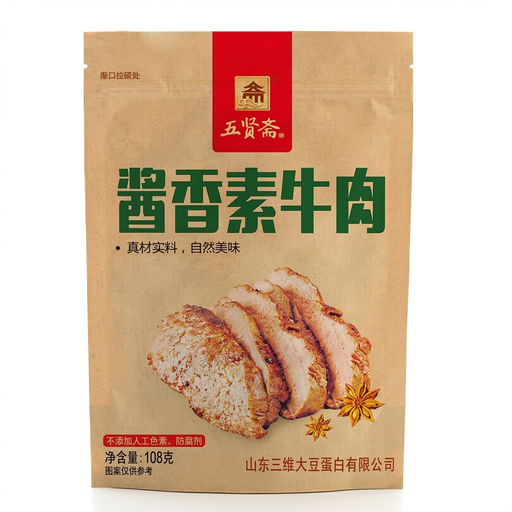 No image available
A vegetarian meat-style alternative if you are choosing a protein snack rather than popcorn. Check the pack’s protein and salt figures for the portion you plan to eat, and its ingredients if wheat or soya matters to you.
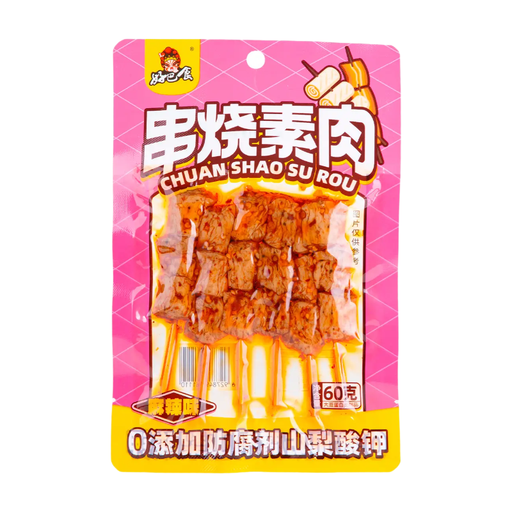 No image available
A spicy vegetarian meat-style snack rather than popcorn. If you avoid particular ingredients or find spicy foods troublesome late at night, check the exact pack before choosing it.
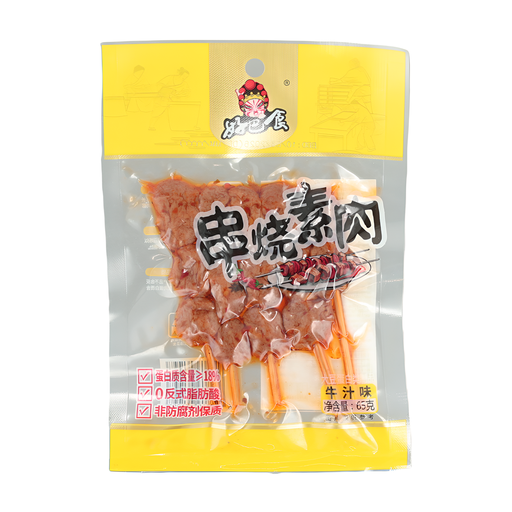 No image available
A beef-flavoured vegetarian meat-style option if you want a savoury snack instead of popcorn. Compare the pack’s protein and salt figures for your intended portion, and check its ingredients for wheat, soya and sesame.
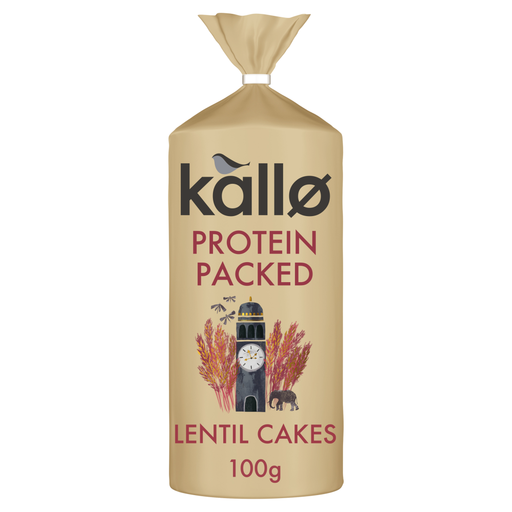 No image available
Lentil cakes offer a different type of crunchy snack from popcorn. Check how many cakes you intend to eat and the corresponding protein on the pack; also read its allergen information if milk, sesame or soya matters to you.
Do not assume it is. Ocado lists 1.7g protein per 20g bag of Propercorn Lightly Sea Salted; Sainsbury's lists 2.3g per 30g bag of Propercorn Sweet & Salty. If protein is the main reason for your supper, compare the amount in the portion you will eat with other food types.
Under the high-protein claim rule published on legislation.gov.uk, at least 20% of the food’s energy value must be provided by protein. A protein figure in grams does not establish that proportion on its own, so check protein and energy on a consistent serving basis.
Timing is worth considering as well as the food. The NHS notes that reflux symptoms are often worse after eating and lying down, and advises people with reflux not to eat within 3 to 4 hours before bed.
Check the serving size, nutrition, ingredients, allergens and safety warnings on the exact pack. The UK government’s pre-packed-food labelling guidance covers ingredients including allergens; cited popcorn listings also warn about occasional unpopped kernels.