Hosts with a high-protein requirement
If protein is a firm part of the party plan, a few grams listed per 100g of crisps are not enough to establish a high-protein claim. Check the food’s protein contribution to its energy.


Do not rely on conventional potato crisps to meet a high-protein requirement: the five examples assessed using manufacturer nutrition figures fall below the threshold that requires protein to provide at least 20% of a food’s energy. For a New Year’s Eve party, serve crisps for their flavour if you want them, but check a separate snack’s nutrition information if protein is essential; choose each crisp flavour around guests’ dietary and allergen needs.
If protein is a firm part of the party plan, a few grams listed per 100g of crisps are not enough to establish a high-protein claim. Check the food’s protein contribution to its energy.
Vegan, gluten-free and milk-allergen requirements call for checks on the exact flavour and current pack, not an assumption about every crisp made by the same brand.
If crisps are there for the sharing bowl rather than to supply protein, flavour, salt information and pack size become more useful ways to choose.
Decide whether protein is a requirement or simply a preference. Then compare the exact products you might serve, especially where guests have dietary restrictions.
| Priority | What to check | Your needs |
|---|---|---|
| Protein | Read protein and energy per 100g together. Great Britain’s nutrition-claims guidance and the published claim condition require at least 20% of a food’s energy to come from protein for a “high protein” claim; the five assessed conventional crisps fall below it. | I need a snack that meets a high-protein requirement, not just crisps with protein listed on the label. I would check a separate food’s nutrition information rather than use the crisp bowl for that purpose. |
| Dietary suitability | Check the precise flavour’s vegan or gluten-free statement and its ingredient and allergen information. KETTLE Lightly Salted is labelled suitable for vegans and gluten-free, while REAL Ham & Colman’s Mustard contains milk-derived lactose. | Some guests need a particular dietary option, so I want to keep the packs available for checking and avoid treating one flavour’s label as a brand-wide promise. |
| Salt and portions | Compare salt per 100g and the pack’s serving information. Tyrrells lists 0.06g salt per 100g for Naked, while KETTLE lists 0.7g per 100g for Lightly Salted; their names alone do not describe the whole nutrition panel. | If protein is not my deciding factor, I would rather compare the flavours and portions I plan to put out than choose by a “no salt” or “lightly salted” name alone. |
Protein grams alone do not show whether a food meets the high-protein claim condition. The assessed conventional crisps fall below the required 20% of energy from protein.
If protein is essential to the spread, check a separate food’s nutrition panel or an applicable high-protein claim instead of relying on conventional potato crisps.
Vegetarian labelling does not rule out milk ingredients: REAL Ham & Colman’s Mustard contains lactose from milk, and Seabrook Cream Cheese & Chive contains milk-derived whey powder.
Check each flavour’s current pack, keep its label available to guests and use separate bowls where that helps prevent flavours being mixed.
These references concern the named flavours, not every product made by each brand. Manufacturer nutrition and ingredient information can help narrow the choice for a party bowl.
Ham & Colman’s Mustard is a flavoured option sold in a 35g bag.
Naked is an unseasoned potato-crisp option.
Lightly Salted is an option for guests seeking a flavour labelled vegan and gluten-free.
Lightly Salted is a potato-crisp option for comparing declared salt levels.
Upton Cheyney Jalapeño & Dill is a flavoured potato-crisp option.
Cream Cheese & Chive is a flavoured potato crisp suitable for vegetarians.
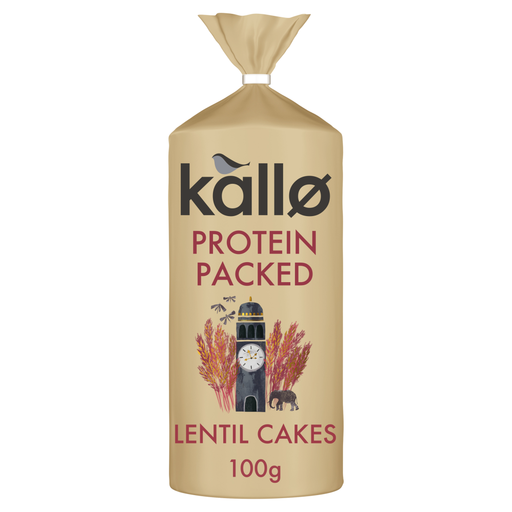
This lentil-cake option is for a party spread where you are considering a savoury snack other than potato crisps. Its product name alone does not establish whether it meets a high-protein claim condition.
 No image available
These are lentil cakes rather than potato crisps, so they offer a different option for the party spread. Check the current pack’s protein and energy figures if meeting the high-protein condition is essential, and check its ingredient and allergen information for guests with dietary restrictions.
The five conventional crisps assessed here do not meet the condition for a high-protein claim. The published condition requires at least 20% of a food’s energy to come from protein; a protein figure in grams per 100g does not answer that question by itself.
KETTLE Lightly Salted and Pipers Upton Cheyney Jalapeño & Dill are both labelled suitable for vegans and gluten-free by their manufacturers. Check the current pack before serving, because those statements apply to the named flavours.
No. Tyrrells lists 0.06g salt, 6.9g protein and 29.5g fat per 100g for Naked. Read the separate figures on the nutrition panel rather than extending the flavour name to other nutrients.
Read the exact flavour’s ingredient and allergen statement, and keep its pack available for guests. REAL Ham & Colman’s Mustard contains milk-derived lactose, Tyrrells Naked may contain milk, and Seabrook Cream Cheese & Chive contains milk-derived whey powder.