What should you check on the bag?
Start with protein for the portion you will eat, then check the other label details that matter to your choice.
| Priority |
What to check |
Your needs |
| Protein contribution |
Read protein per whole bag, not just per 100g. The Food Standards Agency describes the UK high-protein claim criterion as at least 20% of a food’s energy coming from protein; a gram figure alone does not establish that. |
If this snack needs to contribute to my protein target, I need to judge the portion I will actually eat rather than assume that savoury crisps are protein-rich. |
| Portion size |
Compare the exact pack size and its protein and energy figures together. Walkers Ready Salted lists 1.6g protein and 130 kcal per 25g bag; Tyrrells Lightly Sea Salted lists 2.8g and 208 kcal per 40g bag. |
A larger bag may give me more protein grams, but I also want to know what else changes with the larger portion. |
| Salt |
Read salt per bag for the exact flavour. Walkers lists 0.34g per 25g Ready Salted bag and Tyrrells lists 0.26g per 40g Lightly Sea Salted bag; these are different products and portions. NHS guidance sets a general adult maximum of 6g salt a day. |
If I eat crisps regularly, I want the bag’s salt figure alongside the rest of the food I eat that day. |
| Ingredients and allergens |
Check the selected flavour’s ingredients, allergen statement and any product-specific dietary declaration. Do not rely on a flavour name or a statement about the wider brand range. |
For a vegetarian, vegan, gluten-free or allergen-avoidance requirement, I need to know whether this particular bag fits it. |
Brand and range references
These examples help you compare formats and labels; they do not establish that every flavour has the same nutrition information.
Walkers
Walkers publishes per-bag information for its 25g Ready Salted potato crisps.
- The Ready Salted listing gives 1.6g protein, 130 kcal and 0.34g salt per bag.
- Use the chosen flavour’s current label for its nutrition and allergen information.
Tyrrells
Tyrrells lists a 40g Lightly Sea Salted potato-crisp bag and publishes separate information for its lentil crisps.
- The potato-crisp bag lists 2.8g protein and 208 kcal; the separate lentil-crisp information lists 3.9g protein per 30g serving.
- The potato and lentil figures refer to different foods and portion sizes, so compare the product you would actually eat.
Kettle Chips
The Kettle Chips shop lists cases containing 18 individual 40g bags.
- The stated 40g bag size gives you a defined portion to check against its label.
- Check protein, energy, salt and allergens on the particular flavour before deciding whether it fits your snack plans.
Seabrook
A Seabrook variety pack listed by ASDA contains 25g bags in different flavours.
- The Sea Salted bag in that listing provides 1.4g protein per 25g bag.
- Check the nutrition and allergen details for the flavour you choose rather than applying the Sea Salted figure across the pack.
Pipers
Pipers describes a range of potato-crisp flavours available through selected retailers and other outlets.
- The range offers flavour choices for shoppers who want crisps as an accompaniment.
- Use the individual bag’s protein, portion, salt and allergen information to judge that choice.
REAL Hand Cooked Crisps
REAL describes its range as vegetarian and gluten free.
- The brand’s range statement is relevant to shoppers checking those dietary requirements.
- Read the selected bag’s current ingredients, allergen information and nutrition rather than relying on a range-wide statement alone.
Joybuy snacks for this decision
These options are alternatives to potato-crisp grab bags: lentil cakes in a 100g pack and a multipack of bars. Neither is a single potato-crisp grab bag, so check the portion and protein information if you are choosing a snack around a protein target.
 No image available
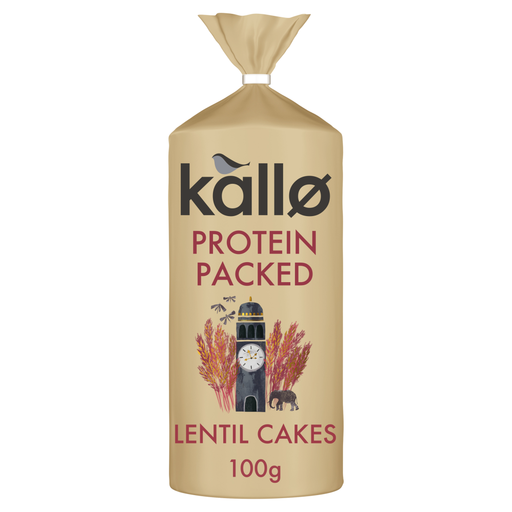
Kallo Protein Packed Lentil Cakes 100g
These lentil cakes offer a crisp-style alternative when a potato-crisp bag is not essential. The pack contains 100g rather than a single grab-bag portion; check the label for the amount of protein in the portion you plan to take.
View on Joybuy
 No image available
Nature Valley Protein Peanut & Chocolate Bar 4x40g
This bar is a different snack format if protein matters more to you than having potato crisps. The pack contains four 40g bars; check the per-bar protein and allergen information for the one you would eat.
View on Joybuy
Questions about crisps and protein
Does a potato crisp grab bag count as high protein?
Do not assume that it does. The Food Standards Agency describes the UK high-protein claim criterion as at least 20% of a food’s energy coming from protein. The cited product information lists 1.6g protein in a 25g Walkers Ready Salted bag, 1.4g in a 25g Seabrook Sea Salted bag and 2.8g in a 40g Tyrrells Lightly Sea Salted bag; use the exact product label rather than treating a larger gram figure as a high-protein claim.
What should I compare if protein is my priority?
Start with protein per whole bag or serving and the amount you intend to eat. If a clinician or dietitian has given you a protein target, use that personalised advice when deciding what role, if any, crisps have alongside other foods.
Will a larger crisp bag provide a protein-focused snack?
A larger bag can contain more protein grams without making protein its main contribution. Tyrrells lists 2.8g protein and 208 kcal for its 40g Lightly Sea Salted bag, so compare both figures for the full portion rather than choosing by bag size alone.
How do I check the salt in a grab bag?
Read the salt figure for the exact flavour and whole bag. Walkers lists 0.34g salt in its 25g Ready Salted bag; NHS guidance sets a general adult maximum of 6g salt per day, which also includes salt from other foods.
What if I have been advised to follow a high-protein diet?
Follow the protein target and food choices given by your clinician or dietitian rather than using potato crisps in place of foods in that plan. Cambridge University Hospitals NHS Foundation Trust notes that protein requirements can vary with age, disease status and activity.


