If high protein is the priority, do not treat the three potato crisps compared here as high-protein snacks: their declared values give about 5.0–6.3% of energy from protein, against the 20% condition for a UK high-protein claim set out on legislation.gov.uk. If you want crisps as a ready-to-eat savoury snack instead, compare salt per 100g and per pack, then check the exact flavour’s ingredients and allergen information.
Who is this choice for?
Parents looking for a high-protein snack
If protein is the main reason for buying a quick snack, compare a food’s nutrition information with the high-protein claim condition rather than choosing the crisp with the largest protein number. The three potato crisps examined here fall below that condition.
Parents who want crisps alongside a meal
When the aim is a convenient savoury crisp rather than a protein-focused snack, the differences in salt, pack quantity and ingredients may matter more than the small differences in protein between these products.
Households checking dietary suitability
Vegetarian, vegan, gluten-free and allergen requirements call for a check of the exact flavour and pack. A cheese flavour can contain milk, while a beef-flavour name does not, by itself, establish whether a product contains meat.
What should you check?
Start by deciding whether you need a product that meets the high-protein claim condition or simply want potato crisps. Then compare like-for-like nutrition values before looking at the quantity in the pack you would eat.
| Priority |
What to check |
Your needs |
| Protein claim |
Check protein and energy values, not protein grams alone. The UK high-protein claim condition published on legislation.gov.uk requires at least 20% of a food’s energy to come from protein; the three crisps compared here calculate to about 5.0–6.3%. |
If protein is the point of my snack, I need to check whether a product meets the claim condition, not just whether it has more protein than another crisp. |
| Salt |
Compare salt per 100g across flavours and bag sizes, then check the amount for the pack or portion you would eat. Manufacturer figures for these three crisps run from 0.67g to 1.4g per 100g. |
For crisps I might buy regularly, I want to compare the salt figures as well as the protein figures. |
| Ingredients |
Read the exact product’s ingredients, allergen statement and dietary declarations. KETTLE Mature Cheddar & Red Onion lists milk ingredients; Seabrook describes its Beefy flavour as suitable for vegans. |
Someone in my household avoids particular ingredients, so I cannot decide from the brand or flavour name alone. |
| Pack quantity |
Use per-100g figures for a like-for-like comparison, then look at the pack quantity and any per-serving information to understand the amount you are considering eating. |
I want a quick snack, but a sharing bag and a smaller pack do not represent the same quantity. |
Common buying mistakes
-
Calling the crisp with the most protein a high-protein snack
KETTLE Mature Cheddar & Red Onion has the largest per-100g protein figure of the three products compared, at 7.9g. Its declared protein and energy values still give about 6.3% of energy from protein, below the 20% UK high-protein claim condition published on legislation.gov.uk.
If a high-protein claim matters to your choice, assess that condition separately from a comparison between crisps.
-
Looking at protein but not salt
The manufacturers’ figures put these three crisps between 0.67g and 1.4g salt per 100g. The product with the largest protein figure is not the one with the lowest declared salt figure in this comparison.
Compare salt per 100g first, then check the quantity in the pack or portion you expect to eat.
-
Judging dietary suitability by the flavour name
KETTLE Mature Cheddar & Red Onion lists milk ingredients, while Seabrook describes its Beefy flavour as suitable for vegans. The name alone does not settle either question.
Check the ingredients, allergens and dietary statement on the exact flavour and pack you are buying.
Brand and flavour references
These figures and declarations apply to the named flavours, not every crisp made by each brand.
KETTLE Chips
Mature Cheddar & Red Onion is a potato-crisp option to consider when comparing the named products by protein per 100g and checking vegetarian and gluten-free declarations.
- KETTLE Chips declares 7.9g protein and 1.2g salt per 100g for this flavour, and describes it as gluten-free and suitable for vegetarians.
- This flavour contains milk ingredients. Its declared values give about 6.3% of energy from protein, below the UK high-protein claim condition.
Seabrook
Beefy is a named potato-crisp flavour for shoppers checking vegan and gluten-free suitability rather than relying on what its flavour name suggests.
- Seabrook describes Beefy as gluten-free and suitable for vegetarians and vegans, and declares 6.9g protein per 100g.
- Seabrook declares 1.4g salt per 100g for this flavour. Its protein supplies about 5.6% of declared energy, below the UK high-protein claim condition.
Walkers
Lightly Salted is worth comparing when the salt figure matters more to you than the small protein differences between these three crisps.
- Walkers declares 0.67g salt and 6.4g protein per 100g for Lightly Salted. Walkers describes its salt figure as 45% less than the average value of regular potato crisps.
- The Joybuy listing says this product may contain milk, wheat, gluten, barley, soya, celery and mustard. Its declared values give about 5.0% of energy from protein, below the UK high-protein claim condition.
A Joybuy snack option
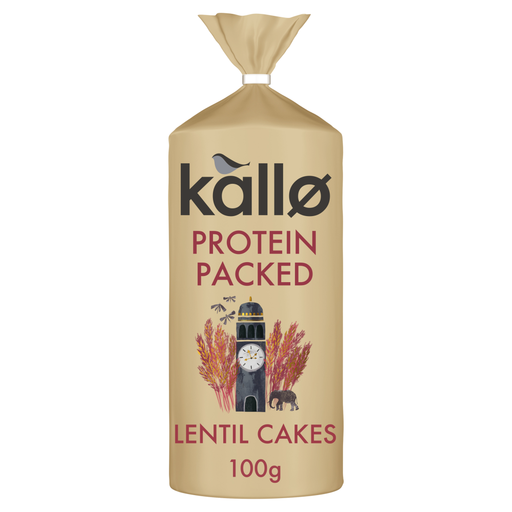
This lentil-cake option is for shoppers considering a savoury snack other than potato crisps. If a high-protein claim is important to you, check the current pack’s nutrition information rather than relying on the product name.
 No image available
Kallo Protein Packed Lentil Cakes 100g
These 100g lentil cakes offer a savoury option that is not a potato crisp. Check the current pack’s protein and energy figures, along with its allergen statement, if those details determine your choice.
View on Joybuy
Frequently asked questions
Are the potato crisps compared here high in protein?
No, not under the UK high-protein claim condition set out on legislation.gov.uk: at least 20% of a food’s energy must come from protein. The declared nutrition values for KETTLE Mature Cheddar & Red Onion, Seabrook Beefy and Walkers Lightly Salted give about 5.0–6.3%. That finding is limited to these three products.
Should I compare protein per bag or per 100g?
Compare protein per 100g to put different crisps on the same basis, then check the bag or portion quantity to understand how much you would eat. Apply the same approach to salt rather than comparing packs of different sizes as though they were equal.
How can I interpret a crisp’s salt figure?
Compare salt per 100g across the products you are considering, then look at the amount in the pack or portion. Nidirect’s salt guidance describes more than 1.5g per 100g as high and 0.3g per 100g or less as low; a figure between those points is not automatically labelled low or high by those thresholds.
Does a beef-flavour crisp necessarily contain meat?
No. Seabrook describes its Beefy potato crisps as suitable for vegetarians and vegans. Check the dietary declaration and ingredients for the exact flavour you buy rather than deciding from its name.


