Crisp buyers following a high-protein diet
You still want a savoury, crunchy snack, but need to distinguish the protein in an ordinary packet of crisps from the protein contribution you are looking for.


Choose ordinary potato crisps for their savoury crunch, not as the protein-rich part of a snack. KETTLE Chips lists 6.5g protein and 516 kcal per 100g for its Lightly Salted crisps—about 5% of their energy from protein, against the 20% high-protein claim threshold set out in the rule published on legislation.gov.uk. If protein is your main reason for snacking, compare another food’s protein and energy on the same basis, then check the portion, salt and allergens; a lentil-based crisp is not automatically high in protein either.
The deciding question is whether you want a crisp snack or need the snack itself to contribute appreciable protein.
You still want a savoury, crunchy snack, but need to distinguish the protein in an ordinary packet of crisps from the protein contribution you are looking for.
If protein is the main reason for eating the snack, compare crisp-style alternatives and other foods by their labelled protein and energy values rather than assuming they serve the same purpose.
The exact flavour and pack matter when you compare salt, ingredients and allergen statements. A potato or lentil base does not establish that every variant meets your dietary requirements.
Start with protein and energy on the same label basis, then check how much you would actually eat. Salt and ingredients can change the decision even when a snack has more protein than another crisp.
| Priority | What to check | Your needs |
|---|---|---|
| Protein contribution | Compare protein in grams and energy in kcal on the same per-100g basis. Protein grams multiplied by 4 kcal, then divided by total kcal, estimates its share of energy; the high-protein claim rule published on legislation.gov.uk sets a threshold of at least 20%. Check the amount in the portion or pack as well. | I want the snack itself to contribute protein, not merely to contain some. If crisp-style texture matters too, I’ll check the particular product: Tyrrells lists 13g protein and 469 kcal per 100g for its Sour Cream & Onion Lentil Crisps, equivalent to about 11% of energy from protein. |
| Salt and energy | Compare salt and energy per 100g, then the values for the amount you plan to eat. The NHS describes more than 1.5g salt per 100g as high; Tyrrells lists 2.0g per 100g for its Sour Cream & Onion Lentil Crisps. | When I compare snacks, a higher protein figure should not be the only number I look at—especially if I might eat a whole sharing pack. |
| Ingredients and allergens | Read the ingredients, highlighted allergens and precautionary statement on the exact flavour and current pack. Tyrrells lists milk ingredients in its Sour Cream & Onion Lentil Crisps and says they may contain soya and gluten. | I need to check the specific product against my dietary exclusions rather than relying on the words “potato”, “lentil” or “vegan”. |
| Snack format | Decide whether a potato crisp, another crisp-style snack or a different protein-focused food meets the reason you are buying it. Compare like-sized portions before using per-100g figures to make the final choice. | Sometimes I want savoury potato crisps and will get protein elsewhere; at other times, the snack’s protein contribution matters more than its crisp-like texture. |
The claim depends on the share of energy supplied by protein, not grams alone. KETTLE Chips Lightly Salted lists 6.5g protein and 516 kcal per 100g—about 5% of energy from protein, below the 20% threshold published on legislation.gov.uk.
Use protein and kcal values from the same nutrition panel, then check how much protein your actual portion provides.
Tyrrells lists 13g protein and 469 kcal per 100g for its Sour Cream & Onion Lentil Crisps. That works out to about 11% of energy from protein, despite a higher protein figure than the checked potato-crisp examples.
Judge each pulse-based snack by its own nutrition panel, including protein, energy and salt, rather than by its main ingredient.
The NHS describes more than 1.5g salt per 100g as high. Tyrrells lists 2.0g per 100g for Sour Cream & Onion Lentil Crisps, while REAL Hand Cooked Crisps lists 1.7g per 100g for Sweet Chilli.
Compare salt per 100g between products and check the amount in the pack or portion you intend to eat.
Flavouring ingredients can change the allergen picture. Tyrrells lists milk ingredients in its Sour Cream & Onion Lentil Crisps, with a precautionary statement for soya and gluten.
For an allergy or necessary dietary exclusion, check the ingredients and allergen statement on the exact current pack.
These named products illustrate why a familiar crisp brand—or a different crisp ingredient—is not enough to establish protein content. Figures apply to the specified products and flavours, not every item a brand makes.
Walkers’ Oven Baked Sea Salt is a potato-based crisp option.
Tyrrells offers lentil crisps as well as potato crisps; the lentil product is a different snack format, not a potato-crisp variant.
Lightly Salted KETTLE Chips provides an example of a traditional potato crisp with a published nutrition panel.
Seabrook Sea Salted is a potato-crisp example for comparing protein and salt on a per-100g basis.
Pipers Anglesey Sea Salt is a salted potato-crisp product.
REAL lists nutrition panels for its Sea Salt and Sweet Chilli potato crisps.
These options are lentil cakes and sweet protein bars, not potato crisps. They are relevant if you are willing to change snack format to pursue your protein goal; compare the current nutrition panel and ingredients for the particular product before choosing.
 No image available
A sweet bar rather than a savoury potato crisp. Check the protein and energy values for one 50g bar, along with the current ingredients, if a bar would meet your snack preference.
 No image available
The caramel-flavoured bar offers a different format from potato crisps. Compare its per-bar protein, energy and ingredient label with the Double Chocolate variant rather than assuming the flavours have identical values.
 No image available
This is a sweet peanut-butter bar, not a crisp-style snack. Check the current ingredient and allergen statement before buying, as well as protein and energy for one 50g bar.
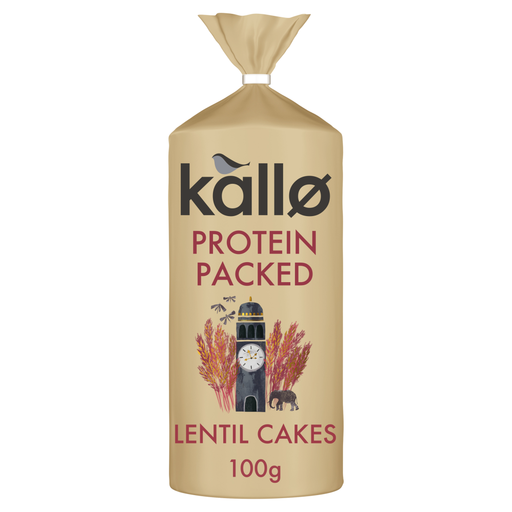 No image available
Lentil cakes offer a different route if you want a crisp-style snack rather than a sweet bar; they are not potato crisps. Use the pack’s protein and energy values to assess its contribution, and check the allergen statement for your needs.
 No image available
Choose this format only if a sweet peanut-and-chocolate bar suits the snack you want instead of savoury crisps. Compare protein and energy for a 40g bar, and read its current ingredients and allergen statement.
The named potato-crisp examples do not reach the high-protein claim threshold of at least 20% of energy from protein published on legislation.gov.uk. For instance, KETTLE Chips lists 6.5g protein and 516 kcal per 100g for Lightly Salted, equivalent to about 5% of energy from protein. Check the exact product’s panel rather than assuming the same figures apply to every crisp.
No. Tyrrells lists 13g protein and 469 kcal per 100g for its Sour Cream & Onion Lentil Crisps—about 11% of energy from protein, below the 20% threshold published on legislation.gov.uk. A lentil cake or another flavour needs to be assessed from its own label.
Compare protein grams and kcal on the same per-100g basis first. Multiply the protein grams by 4 kcal and divide by total kcal to estimate the share of energy from protein, then check the protein in the portion you would eat. Compare salt separately; the NHS describes more than 1.5g salt per 100g as high.
Yes. The base ingredient does not determine the full ingredient list: Tyrrells lists milk ingredients in its Sour Cream & Onion Lentil Crisps and says they may contain soya and gluten. Read the ingredients, highlighted allergens and precautionary statement on the exact current pack.
Do not deliberately increase protein on the basis of a snack label alone. Oxford Health NHS Foundation Trust advises people with renal disease, or those who have been told to limit protein, to consult a dietitian or doctor before following a high-protein diet.