If high protein is essential, choose a protein-focused snack rather than relying on conventional potato crisps. The UK high-protein claim condition published on legislation.gov.uk requires at least 20% of a food’s energy to come from protein; the conventional crisps compared here fall well short. If crunch matters more, choose crisps by the portion you will eat, salt, allergens and flavour, and treat any protein food as a separate part of the journey snack.
Who is this choice for?
Decide whether the snack needs to provide protein or whether you mainly want crisps for their crunch: those are different shopping decisions.
Travellers looking for high protein
If protein is the main requirement, check the chosen food’s nutrition information rather than assuming the crisp with the largest protein figure meets it. Conventional crisps can be a separate crunchy accompaniment.
Drivers and passengers choosing crisps
If crisps are the snack you want, compare the amount in a pack as well as protein and salt per 100g. Check the exact flavour’s ingredients and allergen statement before packing it.
Families packing a mixture of snacks
Crisps and foods normally kept in the fridge need different packing arrangements. Food Standards Scotland advises keeping refrigerated foods cool in a cool bag or box with cold sources.
What should you check?
Start with the job the snack needs to do, then compare the nutrition panel for the amount you expect to eat. A per-100g figure alone does not describe a single travel portion.
| Priority | What to check | Your needs |
|---|
| Protein requirement |
Check protein and energy for the exact product. Under the UK condition published on legislation.gov.uk, a high-protein claim requires at least 20% of the food’s energy to come from protein. |
If protein is the point of this snack, I need more than the highest protein figure among ordinary crisps; I can choose a different food and pack crisps separately. |
| Portion |
Compare per-100g values with the pack or serving you will actually eat. Tyrrells declares 6.9g protein per 100g for Lightly Sea Salted, but 2.8g per 40g pack. |
For one stop on the journey, the amount in my pack matters more than a figure calculated for 100g. |
| Salt and flavour |
Read salt per 100g and check the exact flavour. Walkers states that Lightly Salted has 45% less salt than the average regular potato crisp and declares 0.67g salt per 100g; that comparison is not a protein claim. |
I may prefer a particular flavour or a reduced-salt crisp, without expecting either choice to make it high protein. |
| Dietary fit |
Check the current pack’s ingredients, allergen statement and suitability labels. Tyrrells says Lightly Sea Salted may contain milk; Seabrook labels Beefy suitable for vegetarians and vegans. |
A plain-sounding flavour is not enough for me to assume that a crisp fits an allergy or dietary requirement. |
| Chilled foods |
Plan cooling separately for foods normally stored in the fridge. Food Standards Scotland advises a cool bag or box with ice or frozen packs and says to eat ready-to-eat chilled foods within four hours of taking them from the fridge. |
If I bring a refrigerated food alongside crisps, I need a way to keep that food cold during the journey. |
Common buying mistakes
-
Calling the crisp with the most protein “high protein”
Tyrrells Lightly Sea Salted and Seabrook Beefy each declare 6.9g protein per 100g. Using their manufacturers’ declared energy values, protein accounts for roughly 5% of energy in each—below the 20% UK high-protein claim condition published on legislation.gov.uk.
When high protein is essential, choose a separate protein-focused food; choose crisps for the crunch if you still want them.
-
Comparing only the per-100g figure
A smaller pack provides less protein than its per-100g figure suggests. Tyrrells declares 2.8g protein in a 40g pack of Lightly Sea Salted crisps.
Compare the nutrition information for the pack or serving you expect to eat.
-
Treating reduced salt as a protein claim
Walkers describes its Lightly Salted crisps as having 45% less salt than the average regular potato crisp, while declaring 6.4g protein per 100g. The salt comparison does not establish that they are high protein.
Check salt and protein separately on the exact product’s nutrition panel.
-
Packing refrigerated food like crisps
A protein food normally kept in the fridge needs cooling during the journey. Food Standards Scotland advises using a cool bag or box with cold sources for such foods.
Pack chilled food separately from ambient crisps and follow its storage instructions; Food Standards Scotland advises eating ready-to-eat chilled food within four hours of taking it from the fridge.
A cool bag or box and cold sources add to what you need to carry.
Relevant crisp brands
These brand examples concern the named products, not every flavour in each range. Their declared protein figures help compare conventional crisps, but do not make the listed products high-protein foods.
Walkers
Walkers Lightly Salted is an option to examine when salt is a consideration alongside flavour.
- Walkers states that Lightly Salted has 45% less salt than the average regular potato crisp; it declares 0.67g salt per 100g.
- The same product declares 6.4g protein per 100g, so its reduced-salt claim should not be read as a high-protein claim.
Tyrrells
Lightly Sea Salted comes with nutrition information for both 100g and a 40g pack, making portion comparison straightforward.
- Tyrrells declares 6.9g protein per 100g and 2.8g per 40g pack for Lightly Sea Salted.
- Tyrrells says this product may contain milk. Its protein figure does not make it high protein under the UK energy-based condition.
KETTLE Chips
KETTLE Lightly Salted is a conventional crisp to consider when its stated dietary suitability matters.
- KETTLE labels Lightly Salted suitable for vegans and vegetarians and declares 6.5g protein and 0.7g salt per 100g.
- Its declared protein and energy values do not meet the UK high-protein claim condition.
Seabrook
Seabrook Beefy is a savoury-flavoured crisp that the manufacturer labels suitable for vegetarians and vegans.
- Seabrook also labels Beefy gluten-free and declares 6.9g protein per 100g.
- At the manufacturer’s declared 504kcal per 100g, that protein supplies roughly 5.5% of energy, below the UK high-protein claim condition.
Pipers
Pipers describes its Anglesey Sea Salt crisps in terms of the Welsh sea salt used.
- The named flavour offers a sea-salt crisp choice for shoppers comparing flavours.
- If protein affects your choice, check the nutrition panel on the current pack rather than inferring it from the flavour or ingredients.
REAL Hand Cooked Crisps
REAL Sea Salt is listed by its maker in 35g and 150g bags, so the pack size matters when comparing portions.
- REAL labels Sea Salt suitable for vegetarians and vegans and declares 5.6g protein per 100g.
- Its declared protein and energy values do not meet the UK high-protein claim condition.
Joybuy snack options
These options include potato crisps for the road trip and different snack formats to consider when protein is the main requirement. A protein-themed name alone does not establish that a product meets the UK high-protein claim condition: check its current nutrition panel if that distinction matters.
 No image available
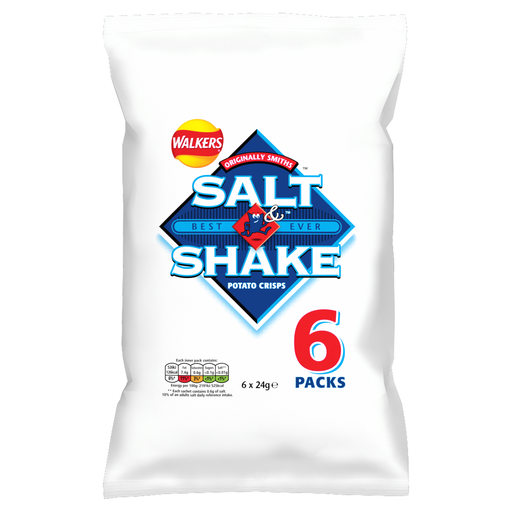
Walkers Salt & Shake Crisps 6 x 24g
A potato-crisp multipack for travellers choosing crisps for their crunch rather than as their protein food. The name identifies six 24g packs; check the current pack for its nutrition and allergen information.
View on Joybuy
 No image available
Nature Valley Protein Peanut & Chocolate Bar 4 x 40g
A bar rather than a potato crisp, for comparing a different road-trip snack format. The name identifies four 40g bars; check the current nutrition panel if you need the snack to meet the UK high-protein claim condition, and read its allergen statement.
View on Joybuy
 No image available
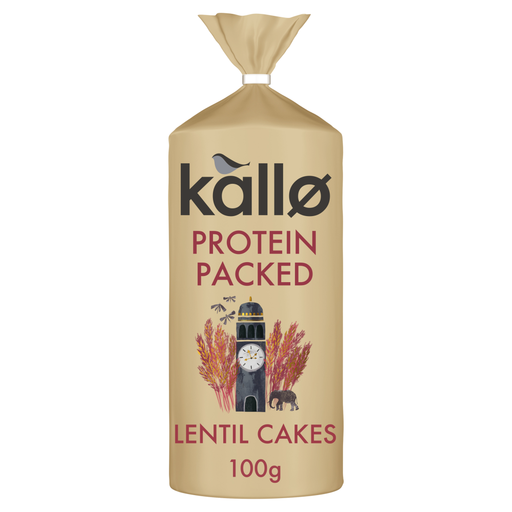
Kallo Protein Packed Lentil Cakes 100g
Lentil cakes offer a different format from potato crisps for the journey. This is a 100g product; use the current nutrition panel to assess its protein contribution and check the pack for dietary and allergen details.
View on Joybuy
 No image available
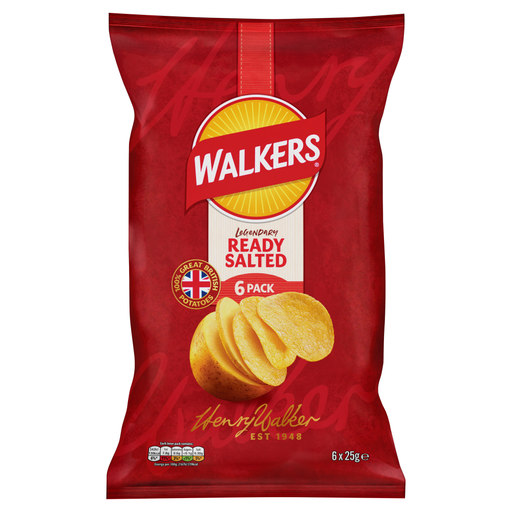
Walkers Ready Salted Crisps 6 x 25g
A ready-salted potato-crisp option when the crisp itself is the priority. The name identifies six 25g packs; use the exact pack’s nutrition panel to judge its contribution to your snack.
View on Joybuy
 No image available
CJ Bibigo Crispy Seaweed Snack Bulgogi Flavour 5g x 3 Packs
A seaweed snack rather than a potato crisp, for someone considering another savoury, crispy format. The name identifies three 5g packs; compare the nutrition for the amount you would eat rather than assuming a protein contribution from the format.
View on Joybuy
Questions about road-trip snacks
Are ordinary potato crisps a high-protein road-trip snack?
The conventional crisps compared here do not meet the UK high-protein claim condition. Legislation.gov.uk sets that condition at a minimum of 20% of the food’s energy from protein; using the manufacturers’ declared protein and energy values, even Tyrrells Lightly Sea Salted and Seabrook Beefy, each at 6.9g protein per 100g, provide only roughly 5% of their energy from protein.
Should I choose the crisp with the most protein per 100g?
That figure can help you compare crisps, but it does not tell you how much a single pack provides or whether the food is high protein. Tyrrells declares 2.8g protein per 40g pack of Lightly Sea Salted crisps; compare the portion you expect to eat, then check salt and allergens as well.
How should I pack refrigerated food to eat alongside crisps?
Keep food you would normally refrigerate cold in a cool bag or box with ice or frozen packs. Food Standards Scotland advises eating ready-to-eat chilled food within four hours of taking it from the fridge; follow the food’s own storage instructions too.
Are plain salted crisps automatically vegan and free from allergens?
No; check the exact product’s current label. KETTLE labels Lightly Salted suitable for vegans and vegetarians, while Tyrrells says its Lightly Sea Salted crisps may contain milk. A flavour name alone cannot establish dietary or allergen suitability.


