Hosts comparing protein per portion
If protein is the reason for buying the snack, the amount in one bag matters more than a crisp-like name or texture. Check the labelled serving size as well as the protein figure.


If protein per bag is the priority for board game night, choose a protein-focused crisp-style snack rather than assuming ordinary potato crisps will do the same job. Walkers and Seabrook each list 1.5g protein per 25g pack for the varieties checked, while EatProtein lists 11.2g per bag and Applied Nutrition lists 15g per bag; if familiar potato crisps matter more, check the exact pack’s ingredients and allergens before serving a mixed group.
If protein is the reason for buying the snack, the amount in one bag matters more than a crisp-like name or texture. Check the labelled serving size as well as the protein figure.
A savoury snack that suits one guest may not suit everyone. Check each flavour for milk, soya, wheat or other relevant allergens, and distinguish vegetarian crisps from meat-based snacks.
If the familiar potato-crisp format is the priority, choose the flavour and pack that suit the group. Do not count on an ordinary potato crisp to provide the same protein per bag as a protein-focused alternative.
Decide whether the snack needs to contribute protein or whether potato-crisp flavour is the main draw. Then compare the exact portions you expect to serve and check the labels for the group.
| Priority | What to check | Your needs |
|---|---|---|
| Protein per portion | Compare grams of protein per labelled bag or serving, alongside its weight. Applied Nutrition lists 15g per 50g bag; EatProtein lists 11.2g per bag. Walkers Salt & Vinegar and Seabrook Cream Cheese & Chive each list 1.5g per 25g pack. | I want to know what one player gets from one portion, rather than compare products using protein per 100g alone. |
| Snack format | Check whether the base is potato, lentil, another pulse or something else. Tyrrells lists 3.9g protein per 30g serving of its Sour Cream & Onion Lentil Crisps; the serving size differs from the 25g potato-crisp packs above. | Potato crisps may be the point of game night for me, even if another crisp-style snack lists more protein. |
| Ingredients and allergens | Read the declaration for the exact flavour. EatProtein Cheese & Onion contains soya and milk ingredients; Tyrrells Sour Cream & Onion Lentil Crisps contain milk and may contain soya or gluten. | Everyone at the table needs a snack they can choose with their own dietary requirements in mind. |
| Salt across servings | Use salt per bag or serving and account for any second helping. Seabrook lists 0.3g per 25g Cream Cheese & Chive bag; Tyrrells lists 0.60g per 30g Sour Cream & Onion Lentil Crisps serving. | For a long game, I want to see what each serving adds up to before putting out more packs. |
The Walkers and Seabrook varieties checked each list 1.5g protein per 25g pack. That is a different proposition from the 11.2g and 15g per-bag figures listed by EatProtein and Applied Nutrition for their protein-focused snacks.
Compare protein for the portion you will serve. If you prefer ordinary potato crisps, choose them for that preference rather than treating them as the protein part of the spread.
Tyrrells Sour Cream & Onion Lentil Crisps list 3.9g protein per 30g serving. The ingredient base or cooking method alone does not tell you the amount in a portion.
Read the nutrition panel for the exact serving size before deciding whether that portion meets your aim.
The products considered here use different ingredients: some contain milk or soya, while pork scratchings are not vegetarian. A general description such as “crisp” does not settle dietary suitability.
Ask guests about relevant restrictions, check the exact packs and keep their packaging available when serving.
Salt figures are given for a stated portion, not a whole evening of snacking. Tyrrells lists 0.60g salt per 30g serving of its Sour Cream & Onion Lentil Crisps.
Check how many servings are in the bag and consider the other foods on the table when deciding how much to put out.
These examples distinguish conventional potato crisps from other savoury snacks; figures and dietary details apply to the named products, not every flavour a brand sells.
A conventional potato-crisp choice when familiar flavour matters more than protein per pack.
Its lentil-crisp range offers a different base from conventional potato crisps.
A conventional potato-crisp range for those choosing a hand-cooked crisp rather than a protein-focused alternative.
A conventional potato-crisp reference with product-level nutrition and ingredient information.
A flavour-led crisp range for a group choosing by savoury variety.
REAL sells a crisp range and, separately, pork scratchings; the two should not be treated as the same dietary option.
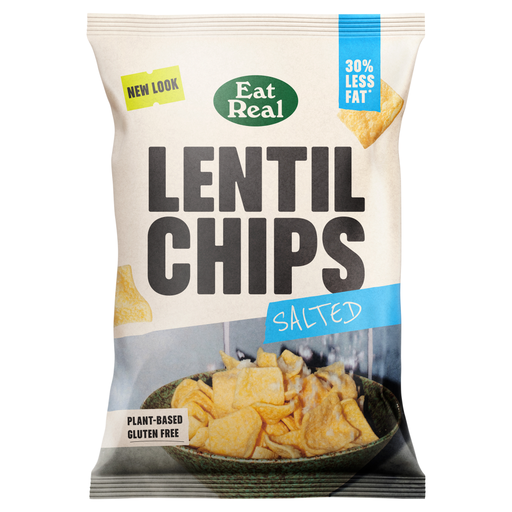
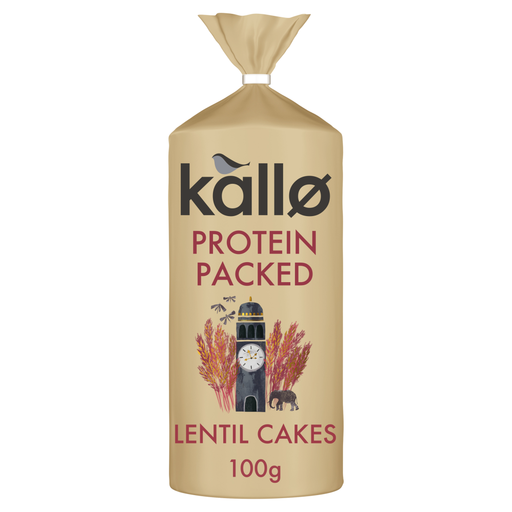
These options include lentil chips, lentil cakes, a seaweed snack and hummus chips for the board-game table. They are different formats from ordinary potato crisps: use each pack’s nutrition and ingredient label to decide whether it fits your protein goal and your guests.
 No image available
The 95g lentil-chip bag is an alternative to potato crisps for a group choosing a sea-salt flavour. Check protein per serving and the pack’s allergen declaration before sharing, particularly for guests avoiding soya or celery.
 No image available
These are lentil cakes rather than potato crisps, so compare the protein for the number of cakes you expect to serve. Check the exact pack’s allergen advice if guests need to avoid milk, sesame or soya.
 No image available
The three individual 5g seaweed packs offer a different snack format from either potato or lentil crisps. Compare nutrition per pack, including salt, and check the allergen declaration before serving guests with restrictions.
 No image available
This 110g bag offers a tomato-and-basil hummus-chip option rather than conventional potato crisps. Check protein per serving on the pack instead of assuming that every pulse-based chip has the same protein content; also check its allergen advice.
Do not assume they are. Walkers Salt & Vinegar and Seabrook Cream Cheese & Chive each list 1.5g protein per 25g pack; compare that with the per-bag figure on a protein-focused snack if protein is your buying priority.
For a food to use a “high protein” nutrition claim, at least 20% of its energy value must come from protein under the rule published by legislation.gov.uk. GOV.UK explains that relevant nutrition legislation was retained from 1 January 2021 and subsequently amended. A product having more protein than another crisp does not, by itself, establish that it meets the claim condition.
Check each exact flavour and its allergen declaration. Seabrook labels its Cream Cheese & Chive potato crisps vegetarian, although they contain milk; EatProtein labels its Cheese & Onion Protein Crisps vegetarian, although they contain soya and milk. Pork scratchings are not a vegetarian alternative.
Start with salt per bag or serving, then account for repeat portions and other food on the table. Tyrrells lists 0.60g salt per 30g serving of its Sour Cream & Onion Lentil Crisps; the NHS advises adults to have no more than 6g salt a day from food and added salt combined.