If protein is the main requirement, conventional potato crisps are a poor substitute for a dedicated protein snack: Myprotein Popped Protein Crisps state 11g protein per 25g bag, but they are soya-based rather than potato crisps. Lentil crisps offer another format, while potato crisps can stay on the table for guests who want them. Compare protein per serving and check each flavour’s allergen information before serving.
Who is each snack for?
Hosts putting protein first
Compare the amount in an individual bag or serving, not just the presence of protein on the label. Myprotein lists 11g per 25g bag for its soya-based Popped Protein Crisps; check the exact pack’s allergen information before offering them to guests.
Hosts keeping potato crisps on the table
Choose potato crisps when that familiar snack format matters more than protein content. Walkers, KETTLE Chips and Pipers publish protein figures for individual varieties, so compare the flavour you intend to serve rather than treating the category as one product.
Hosts checking vegan or gluten-free choices
Look for a suitability statement on the exact flavour. KETTLE Sea Salt & Crushed Black Peppercorns is labelled gluten-free and suitable for vegans and vegetarians, but that statement should not be assumed to cover every KETTLE variety.
What should you check?
Protein-focused snack
Choose when: Protein matters more than retaining a potato-crisp format; Myprotein states 11g per 25g bag for its soya-based Popped Protein Crisps.
Trade-off: They are not potato crisps, contain soya and may contain celery, egg, milk and mustard, according to Myprotein.
Lentil crisps
Choose when: A non-potato crisp is acceptable; Tyrrells states 3.9g protein per 30g serving for its Sour Cream & Onion Lentil Crisps.
Trade-off: A higher protein figure than a sampled potato crisp does not, by itself, establish a high-protein claim.
Potato crisps
Choose when: The potato-crisp format and a choice of flavours matter more than making crisps the party’s protein snack.
Trade-off: The potato varieties cited here state between 5.3g and 8.0g protein per 100g; check each flavour’s dietary labelling separately.
| Priority | What to check | Your needs |
|---|
| Protein |
Compare protein per serving as well as per 100g. A high-protein claim is assessed by protein’s share of the food’s energy, not grams alone. |
I want to know what one guest’s portion contributes, rather than assuming every crisp with protein on its label meets the same need. |
| Allergens |
Read the delivered pack for the exact flavour, including precautionary allergen statements. Keep its identity clear if you pour the snack into a bowl. |
Guests need to be able to identify what they are taking from a shared table, particularly when several flavours or snack types are served. |
| Snack format |
Check whether the product is made as a potato crisp, lentil crisp or another snack, and whether the stated portion is a bag or serving. |
I still want potato crisps available, even if I provide a different snack for the protein requirement. |
Party-planning pitfalls
-
Calling any crisp with protein “high protein”
The high-protein criterion in the legislation.gov.uk annex is at least 20% of the food’s energy from protein. A protein figure per 100g alone does not show whether a product meets that criterion.
Compare the energy and protein information for the exact product, and keep potato crisps separate from any snack chosen specifically for protein.
-
Assuming a lentil base settles the protein question
Tyrrells states 13g protein per 100g for its Sour Cream & Onion Lentil Crisps, compared with Walkers’ stated 6.4g per 100g for Ready Salted potato crisps. That comparison does not establish that all lentil crisps qualify for a high-protein claim.
Check the exact product’s nutrition information and choose it for its own portion size and format.
-
Combining flavours in an unlabelled bowl
Ingredient and allergen information can differ between products. Once bags are discarded, guests cannot readily check which snack is which.
Keep the original packs available and label separate bowls by product and flavour.
-
Using retail HFSS guidance as a school-serving rule
The Department of Health & Social Care’s guidance concerns specified retail promotions and placement for businesses operating in and selling to England. England’s school food standards are a separate framework.
For an event at a school, check the setting’s catering policy and the school food standards that apply to it rather than relying on a retail promotion rule.
Brand and product references
Protein figures and dietary statements below relate to the named products, not every flavour made by the brand.
Walkers
A reference point for conventional ready-salted potato crisps.
- Walkers states 6.4g protein per 100g, or 1.6g per 25g pack, for Ready Salted.
- Choose it for the potato-crisp format rather than treating the stated protein amount as a high-protein claim.
Tyrrells
Its lentil crisps offer a different base from potato crisps.
- Tyrrells states 13g protein per 100g and 3.9g per 30g serving for Sour Cream & Onion Lentil Crisps.
- They do not satisfy a request for potato crisps; check the exact flavour’s ingredients and allergens.
KETTLE Chips
Potato-crisp varieties with different flavour and pack choices.
- KETTLE labels Sea Salt & Crushed Black Peppercorns gluten-free and suitable for vegans and vegetarians; it states 5.3g protein per 100g.
- KETTLE states 8.0g protein per 100g for Vegan Sheese & Red Onion; do not transfer one variety’s dietary statements to another.
Seabrook
Sea Salted potato crisps with stated dietary suitability.
- Seabrook labels Sea Salted gluten-free and suitable for vegetarians and vegans.
- The stated protein amount is 5.9g per 100g, or 1.9g per 31.8g bag.
Pipers
A potato-crisp reference for hosts choosing a particular seasoning.
- Pipers labels Upton Cheyney Jalapeño & Dill gluten-free and suitable for vegetarians and vegans.
- Pipers states 6.2g protein per 100g for that flavour; its labelling should not be assumed to apply to the whole range.
REAL Hand Cooked Crisps
A potato-crisp range for which the maker provides range-wide dietary statements.
- REAL describes its range as vegetarian and gluten-free, with no added MSG.
- REAL directs shoppers to individual flavours for allergen details; check the chosen pack before serving.
Joybuy snack options
These Joybuy options cover a lentil chip and a lentil cake for a Halloween snack table. Neither is a conventional potato crisp; compare their formats and check the delivered packs for nutrition and allergens.
 No image available
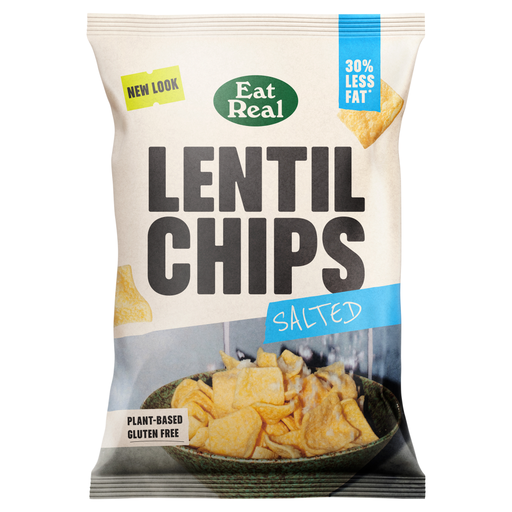
Eat Real Sea Salt Lentil Chips 95g
A sea-salt lentil chip for hosts willing to serve a non-potato snack. The pack is 95g; check its nutrition panel and allergen statement before setting out a shared bowl.
View on Joybuy
 No image available
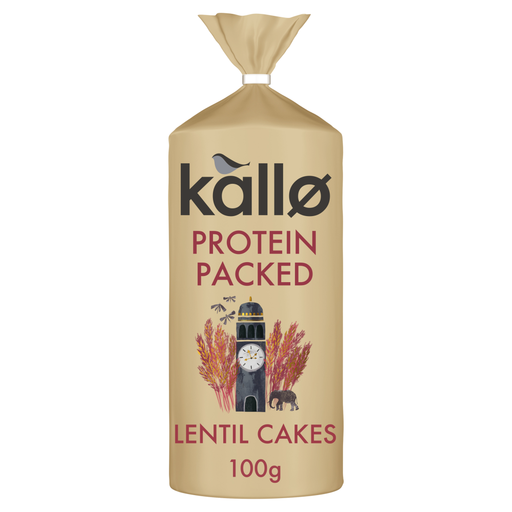
Kallo Protein Packed Lentil Cakes 100g
A lentil cake rather than a potato crisp, in a 100g pack. If protein is the deciding factor, check the pack’s per-serving nutrition information; check its allergen statement for the guest list too.
View on Joybuy
Questions about crisps and protein
What does “high protein” mean on a crisp label?
The high-protein criterion in the legislation.gov.uk annex requires at least 20% of the food’s energy to come from protein. Protein grams alone cannot establish that share, so check the exact product’s energy and protein information rather than relying on its ingredient base or name.
Can potato crisps provide the protein snack for a Halloween party?
The named potato-crisp examples are not interchangeable with a dedicated protein crisp on the stated figures. Walkers Ready Salted lists 1.6g per 25g pack, while Myprotein Popped Protein Crisps list 11g per 25g bag. Keep potato crisps for guests who want them and assess a separate snack against the protein requirement.
How can I serve several flavours when guests have allergies?
Check each delivered pack and keep flavours identifiable in separate, labelled bowls. Myprotein lists soya and a precautionary statement for celery, egg, milk and mustard on its Popped Protein Crisps; do not assume another snack or flavour has the same allergen information.
Do England’s retail HFSS promotion rules decide what an English school event may serve?
No. The Department of Health & Social Care’s cited guidance addresses specified retail promotions and placement for businesses operating in and selling to England; school food standards are a separate framework. Check the school’s catering policy and the standards applicable to the event.


