Hosts with a strict protein goal
If the snack itself needs to qualify for a high-protein claim, treat the potato crisps discussed here as an optional savoury food rather than the protein choice. Check the claim on a separate party food.


For a strict “high protein” requirement, do not rely on the potato crisps compared here. The UK nutrition-claim rule published by legislation.gov.uk requires at least 20% of a food’s energy to come from protein for that claim, and the manufacturer figures for these potato crisps do not establish a qualifying option. Tyrrells Lentil Crisps list more protein than the potato-crisp examples, but they are not potato crisps and their declared values calculate to about 11.2% of energy from protein. Choose crisps for flavour and guest suitability, and check a separate party food’s protein claim if protein is the priority.
If the snack itself needs to qualify for a high-protein claim, treat the potato crisps discussed here as an optional savoury food rather than the protein choice. Check the claim on a separate party food.
For guests with different preferences, compare flavours and read each exact pack’s ingredients, allergen advice, dietary-suitability statements and serving information. These details can differ between products from the same brand.
Walkers states that its Oven Baked Sea Salt product has 50% less fat than regular potato crisps. That is a manufacturer comparison about fat, not a high-protein claim; its declared protein is 5.9g per 100g.
Decide whether the essential requirement is a qualifying protein claim or a familiar potato crisp, then compare the exact products you might serve.
| Priority | What to check | Your needs |
|---|---|---|
| Protein claim | Check protein and energy on the same per-100g basis. Under the UK nutrition-claim rule published by legislation.gov.uk, “high protein” requires at least 20% of the food’s energy to come from protein; grams of protein alone do not establish that claim. | If the party food itself must qualify as high protein, I need to check the claim on a food other than the potato crisps compared here. |
| Type of snack | Read the product name and ingredients: Tyrrells Lentil Crisps are lentil-based, while the compared KETTLE, Pipers, Seabrook and Walkers products are potato crisps. Tyrrells lists 13g protein per 100g for its lentil crisps, but their declared values calculate to about 11.2% of energy from protein. | I can offer a lentil-based snack alongside potato crisps, but I would not present it to guests as a potato crisp or as a qualifying high-protein food. |
| Guest suitability | Check the exact flavour’s ingredients, highlighted allergens and vegan, vegetarian or gluten-free statement. Pipers Lye Cross Cheddar & Onion contains milk; KETTLE Lightly Salted and Seabrook Sea Salted have manufacturer-stated vegan and gluten-free suitability. | With guests who avoid particular ingredients, I need the information for each pack I plan to open, not an assumption about the whole brand. |
| Salt and fat | Compare the exact packs per 100g, then look at the serving information. Seabrook Sea Salted lists 1.3g salt and 30.4g fat per 100g; Walkers Oven Baked Sea Salt lists 0.85g salt and 13g fat per 100g. | I would use the nutrition panel and traffic-light labels to compare the figures that matter to my spread. In the Food Standards Agency and Ipsos Northern Ireland’s 2024 survey, conducted from 16 September to 23 November, 49% of 611 Northern Ireland interviewees said they actively used traffic-light labelling when shopping for food; that is not a measure of crisp or protein preferences. |
A crisp can list protein per 100g without meeting the UK rule’s 20%-of-energy condition for a high-protein claim, published by legislation.gov.uk.
If that claim is essential, check protein alongside total energy on the same nutrition panel, or choose a separately checked food carrying an applicable claim.
Tyrrells Lentil Crisps are a different type of snack, even though the manufacturer lists 13g protein per 100g. Ingredients and allergen advice also depend on the flavour.
Identify the lentil option clearly for guests and check its exact pack. Keep a potato-crisp option if that is what guests expect.
Those descriptions do not give a common salt or fat value. For example, Seabrook Sea Salted lists 1.3g salt per 100g, while Walkers Oven Baked Sea Salt lists 0.85g per 100g.
Compare the per-100g panels of the particular flavours you intend to buy rather than relying on the flavour name or cooking description.
England’s school-food standards concern food provided to pupils in the applicable school setting. They do not, by themselves, determine what someone may buy for a private Christmas party.
For a school-hosted event, confirm the school’s policy and the rules for the relevant UK nation before choosing food.
These distinctions concern the named products, not every flavour or product in each brand’s range.
Oven Baked Sea Salt is a potato-based option for hosts comparing fat information.
Its Lentil Crisps are a crisp-style alternative when potato is not essential.
KETTLE Lightly Salted is a potato-crisp reference for a simply seasoned option.
Sea Salted is a potato-crisp option with product-specific dietary statements.
Lye Cross Cheddar & Onion is a flavour-led potato crisp to consider when checking guest preferences.
These options include lentil-based snacks and potato crisps for a Christmas party. A lentil snack is not a substitute for potato crisps when the type of crisp matters; check each exact pack if a protein claim or guest dietary requirement matters.
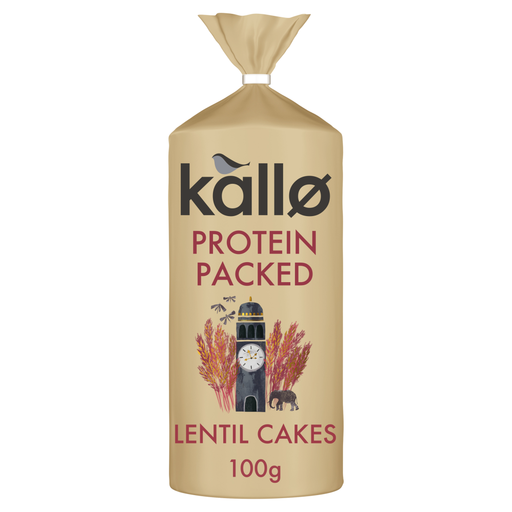 No image available
A lentil-based option rather than a potato crisp. If a high-protein claim is essential, check the exact pack’s protein and energy figures; check its allergen advice before serving.
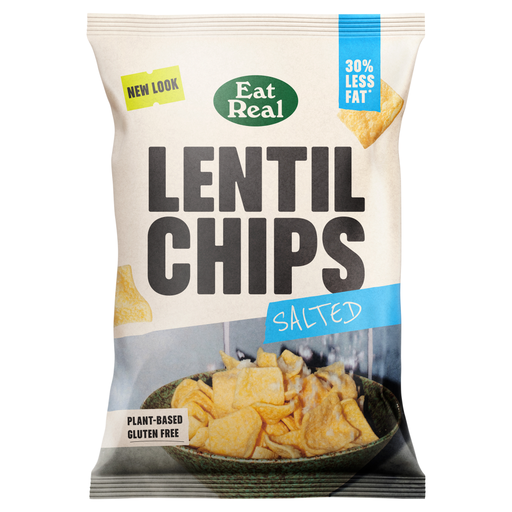 No image available
A sea-salt lentil snack for a crisp-style party selection, not a potato crisp. Check this product’s own nutrition panel rather than applying protein figures from another brand’s lentil crisps.
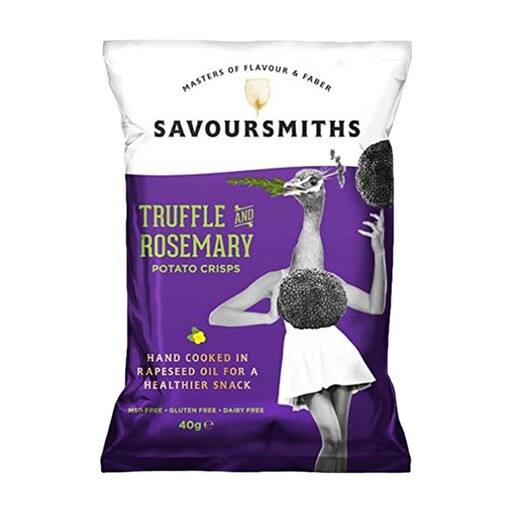 No image available
A potato crisp when truffle and rosemary flavour suits the party selection. Check the pack’s protein figures and allergen declaration rather than assuming suitability from the flavour name.
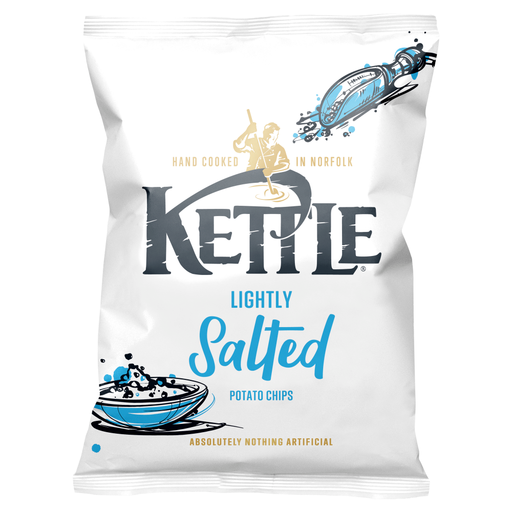 No image available
A lightly salted potato-crisp option if a conventional crisp takes priority over protein. Compare the nutrition and allergen information on this exact pack with any other flavours you plan to serve.
 No image available
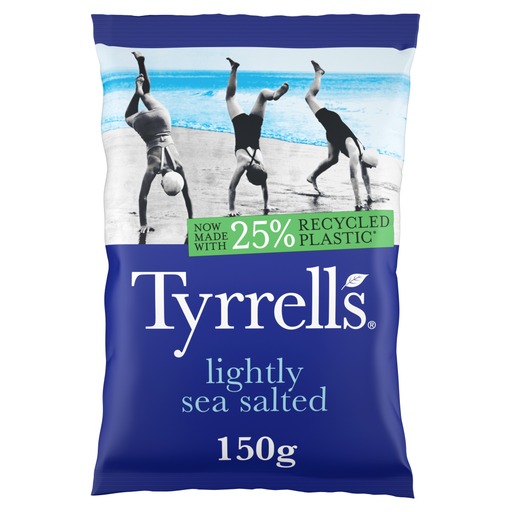
A lightly sea-salted potato crisp, distinct from Tyrrells’ lentil range. Check this pack’s protein, salt and allergen information; figures for the brand’s lentil crisps do not describe this product.
No: grams per 100g alone do not establish that claim. Under the UK nutrition-claim rule published by legislation.gov.uk, at least 20% of the food’s energy must come from protein; the manufacturer figures for the potato crisps compared here do not establish that threshold.
They offer a different, lentil-based snack, not a potato crisp or a qualifying high-protein option on the cited figures. Tyrrells lists 13g protein per 100g, but its declared nutrition calculates to about 11.2% of energy from protein, below the 20% claim threshold published by legislation.gov.uk.
The manufacturers state that KETTLE Lightly Salted and Seabrook Sea Salted are suitable for vegans and are gluten-free. Check the current pack of the exact flavour before serving it, particularly when a guest needs to avoid an allergen.
No general ban on private purchase or consumption follows from England’s Food (Promotion and Placement) Regulations 2021. Those rules concern qualifying retail promotions and placement; relevant provisions came into force on 1 October 2025. Whether a particular product is classified as HFSS requires a product-specific assessment, not an assumption based solely on it being a crisp.
Check the exact product and flavour, ingredients and highlighted allergens, nutrition per 100g and per serving where shown, pack quantity, date marking and any dietary-suitability statement. UK food-labelling guidance from the Department for Environment, Food & Rural Affairs and the Food Standards Agency identifies ingredients, relevant allergens, quantity and date marking among the information required on prepacked food.