Regular walk-pack organiser
If you produce multi-page handouts for several walkers on a recurring basis, look closely at the paper tray, automatic two-sided printing and how often the ink will need attention.


For repeated multi-page route packs, choose a colour A4 multifunction printer with wireless printing and automatic two-sided printing, and consider a refillable ink tank if the group prints colour maps regularly. Before settling on a model, check its paper requirements and print a complete map at the scale walkers will use; a printer that produces colour pages does not by itself make a route readable.
If you produce multi-page handouts for several walkers on a recurring basis, look closely at the paper tray, automatic two-sided printing and how often the ink will need attention.
If your handouts include colour route lines, waypoints and safety notes, test whether they remain distinguishable at the intended print size. Ordnance Survey offers different scales and sizes for customised paper maps.
If you print only before some walks, straightforward wireless printing and a manageable supply of ink may matter more to you than features intended for frequent batches.
Start with a sample of the actual itinerary: its map and text will tell you more about the required layout than a printer feature list alone. Then match ink supply, paper handling and setup to how often the group prints.
| Concern | What to check | Who this matters to |
|---|---|---|
| Ink supply for repeat printing | Check the exact model’s supplied ink and replacement supplies against the number of colour pages you expect to print. Manufacturer-rated yields are not a promise for map-heavy handouts. | If I prepare colour packs for every walk, I want to avoid interrupting each batch to replace ink. Around 31% of consumers put repeat-print ink supply first. |
| Readable maps and route layout | Print the intended map scale with its route line, labels, margins and safety details on the paper you plan to use. | When walkers need to follow a printed route, I need its line and instructions to remain clear on the page; roughly 31% of consumers make map readability their primary concern. |
| Batch and two-sided workflow | Confirm automatic rather than manual duplex, tray capacity and the supported paper for two-sided printing. | If I assemble several multi-page packs at once, turning sheets by hand adds work. For about 23% of consumers, reducing that handling comes first. |
| Occasional use and setup | Check wireless compatibility with the organiser’s device and try printing a prepared itinerary PDF. | When the group prints for only some walks, I want to get a handout ready without a complicated setup; around 15% of consumers chiefly prioritise occasional-use convenience. |
A small scale, faint route line or crowded labels can make a printed walking map hard to use. Ordnance Survey’s map-printing options include different scales and sizes, so the chosen layout matters.
Print and review a complete sample pack, including the route, turn instructions, contacts and safety information, before producing copies for the group.
An unsuitable layout can mean reprinting the pack and using more paper and ink.
Epson’s guidance limits automatic two-sided printing to supported plain-paper sizes, including A4, and notes that unsuitable paper can bleed through or smear. That guidance also excludes borderless printing with the duplex feature.
Check the exact printer’s paper guidance, then test both sides of the intended itinerary before running a batch.
Manufacturer page-yield ratings do not tell you how many of your particular colour-map pages a bottle will produce. The listed printers also differ in paper handling and scanning features.
Estimate how many packs and pages the group produces, then compare ink supplies, tray capacity and the need to scan existing sheets for the exact models under consideration.
Ordnance Survey says sharing or distributing its data with third parties requires a licence. The permission relevant to a walking group depends on the map source and intended use.
Check the current map-provider terms and the applicable Ordnance Survey licensing route before giving reproduced maps to participants.
The Brother DCP-T780DW is worth examining when recurring packs make paper handling and scanning existing sheets important.
The Epson EcoTank ET-2950 is a reference point for groups considering an A4 refillable-tank printer with scanning, copying and two-sided printing.
The HP Smart Tank 7005 is relevant to groups assessing wireless colour printing and automatic two-sided output for occasional packs.
These models are relevant to preparing colour walking itineraries, from printers to consider for recurring packs to a wireless inkjet option for occasional use. Check each model against your paper, device and batch requirements, and review a printed map before relying on it for a walk.
 No image available
Consider this model for repeated itinerary packs if its paper handling meets the size of your batches.
Check the paper and layout supported for automatic two-sided printing, and review a complete sample map at the intended scale.
 No image available
Consider this model if the group prepares regular colour route packs and wants to assess a refillable-tank printer.
Confirm its supported duplex paper and settings for your intended sheets, then check the printed map’s scale and labels.
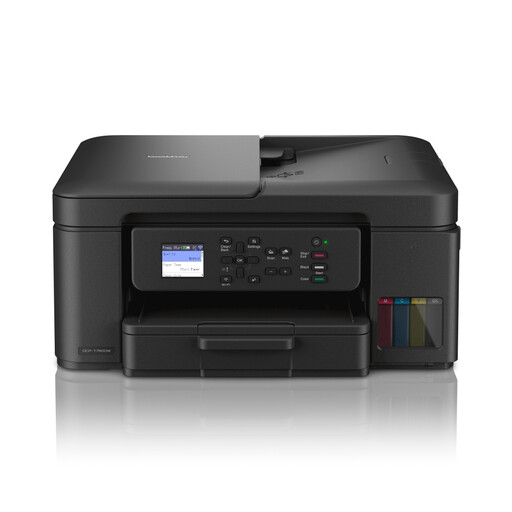 No image available
For recurring packs, this model is worth considering when the organiser also needs to scan existing sheets.
Brother UK lists a 150-sheet input tray and a 20-sheet automatic document feeder for the DCP-T780DW. Confirm the supported duplex paper and test the map layout before a group batch.
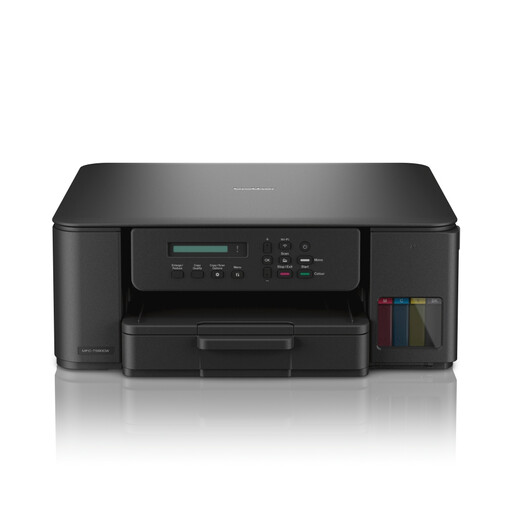 No image available
This wireless ink-tank model is another option to assess for recurring itinerary printing.
Check whether its paper handling suits your batch size, confirm the supported duplex paper and review a full-size route-map print.
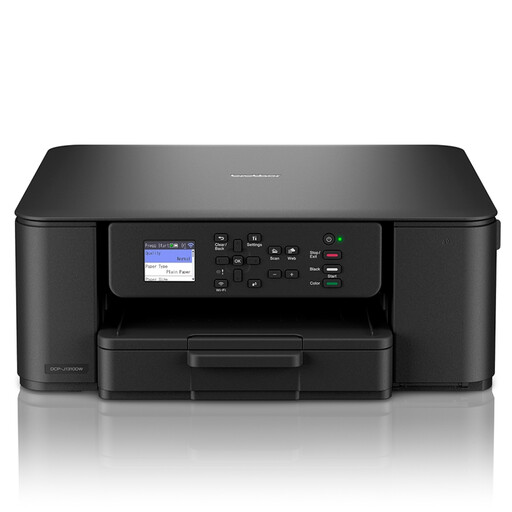 No image available
For occasional itinerary packs, consider this wireless inkjet model if it fits the group’s printing and device needs.
Compare its cartridge supplies with your expected colour-page use, confirm the supported duplex paper and test a complete route map.
Yes, it can reduce manual sheet turning when a group produces multi-page A4 packs, provided the printer supports your chosen paper and layout. Epson’s duplex guidance specifies supported plain-paper sizes, including A4, and warns that unsuitable paper can bleed through or smear, so test both sides before printing a batch.
Yes, Ordnance Survey offers a function for printing customised maps with routes and a choice of scales and sizes. Print the selected layout on your intended paper and check that the route line, labels and safety details remain readable.
Check the permission that applies to your particular map source and distribution plans before giving reproduced mapping to walkers. Ordnance Survey says sharing or distributing its data with third parties requires a licence; the appropriate route depends on the group’s use and the applicable map-provider terms.