Shoppers prioritising protein per pack
If you are open to a crisp-style snack rather than sliced potato crisps, compare the protein in the pack you expect to eat. Applied Nutrition lists 15g per 50g bag; EatProtein lists 11g per 25g bag.


Choose a dedicated protein crisp if protein per pack is your main reason for buying: Applied Nutrition lists 15g per 50g bag, while Walkers Salt & Shake and Seabrook Canadian Ham each list 1.5g in a small serving or bag. Lentil crisps offer another crisp-style option, but check their protein per serving; conventional potato crisps make more sense when the familiar sliced-potato format matters more than protein content.
If you are open to a crisp-style snack rather than sliced potato crisps, compare the protein in the pack you expect to eat. Applied Nutrition lists 15g per 50g bag; EatProtein lists 11g per 25g bag.
Familiar flavours and brands do not tell you how much protein a serving contains. Walkers Salt & Shake lists 1.5g per 24g serving, and Seabrook Canadian Ham lists 1.5g per 25g bag.
Protein-crisp bases vary: Applied Nutrition describes a product containing pea protein, while EatProtein says its crisps use soy protein concentrate. Check the exact flavour’s ingredients and allergen declaration before choosing it.
Decide whether protein per serving or the conventional potato-crisp format matters more, then compare nutrition panels using the pack sizes you would actually eat.
Choose when: Protein per portable pack is the main requirement.
Trade-off: Products such as Applied Nutrition Protein Chips use added protein and other ingredients rather than being conventional sliced-potato crisps.
Choose when: You want a crisp-style alternative and are comparing its stated protein serving with potato crisps.
Trade-off: Tyrrells Lentil Crisps list 3.9g per 30g serving, less than the protein per bag stated for the dedicated protein-crisp examples.
Choose when: The familiar sliced-potato format or a particular flavour is the priority.
Trade-off: Walkers and Seabrook each list 1.5g protein in the small serving or bag cited here.
| Priority | What to check | Your needs |
|---|---|---|
| Protein per pack | Read the protein grams and serving size together. Applied Nutrition lists 15g per 50g bag; EatProtein lists 11g per 25g bag. Walkers Salt & Shake lists 1.5g per 24g serving. | I want to know how much protein is in the bag I will eat, not just whether protein appears in its description. |
| Serving basis | Compare per-serving or per-pack figures on the same basis. Tyrrells lists 13g per 100g for its Lentil Crisps, but 3.9g per 30g serving. | A per-100g figure is useful for comparing products, but I also want the amount in my usual portion. |
| Crisp format | Check whether the product is sliced potato, lentil-based or a crisp-style product with added protein. Read the ingredients if that distinction matters to you. | If I specifically want potato crisps, a lentil crisp or protein chip may not be the format I had in mind. |
| Ingredients and allergens | Read the current label for the exact flavour. Applied Nutrition describes pea protein in its Protein Chips, while EatProtein describes soy protein concentrate in its crisps; ingredient and allergen details can differ between products. | I need to check the protein source and allergen declaration before settling on a particular pack. |
A savoury flavour does not establish the protein content of the finished snack. Walkers Salt & Shake lists 1.5g per 24g serving, compared with the 15g per 50g bag listed by Applied Nutrition for its Protein Chips.
Start with protein grams for the serving or full pack you expect to eat, then check the other nutrition information and ingredients.
Applied Nutrition describes ingredients including pea protein and lentil flour in its Protein Chips; Tyrrells Lentil Crisps are a lentil-based option. Neither is the same format as a conventional sliced-potato crisp.
Read the product name and ingredient list before using a potato crisp as your point of comparison.
Ingredients and factory-handling advice can differ by flavour. Pipers lists lactose from milk for its Burrow Hill Cider Vinegar & Sea Salt crisps, so that information should not be assumed to apply to every Pipers product.
Check the current ingredient and allergen declaration on the exact pack you intend to buy.
These examples show how protein figures differ between particular products; a figure for one flavour or range should not be applied to a brand’s entire range.
Walkers Salt & Shake is a conventional potato-crisp example.
Tyrrells has a lentil-crisp option as well as potato crisps.
KETTLE Lightly Salted is a conventional potato-crisp option.
Seabrook Canadian Ham is a conventional potato crisp despite its flavour name.
Pipers Burrow Hill Cider Vinegar & Sea Salt is another conventional potato-crisp example.
REAL Sea Salt is a conventional potato-crisp option.
These Joybuy options include protein bars, lentil cakes and flapjacks. They are alternatives to consider if you are open to a different snack format; none is a conventional potato crisp or one of the dedicated protein crisps discussed above.
 No image available
Consider this if you are willing to swap a crisp-style snack for a protein bar. The listing names a pack of 12 x 50g bars; check the exact product label for nutrition and allergens.
 No image available
This is another bar rather than a crisp-style snack. The listing names 12 x 50g bars; check the exact label for protein per bar and allergen information, particularly if peanuts are a concern.
 No image available
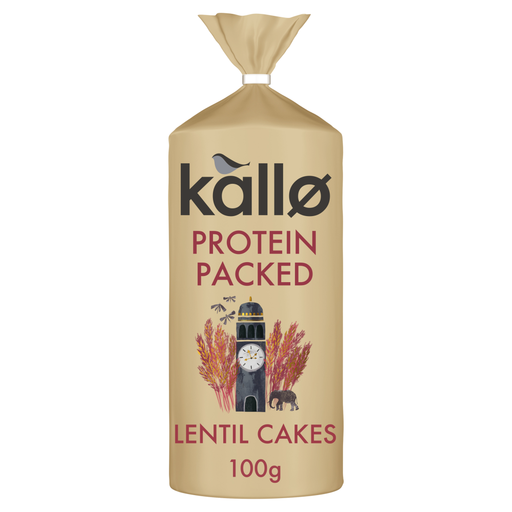
Lentil cakes are worth considering if you want a crisp-style format without choosing sliced-potato crisps. This is a 100g pack; check the label for protein per cake or serving and for ingredient and allergen details.
 No image available
Choose this format only if a flapjack, rather than a savoury crisp, suits the snack you want. The listing names three 50g flapjacks; check the current pack for protein per bar and allergen information.
The conventional potato-crisp examples here contain much less protein per small serving than the dedicated protein-crisp examples. Walkers lists 1.5g per 24g serving for Salt & Shake, and Seabrook lists 1.5g per 25g bag for Canadian Ham; compare the protein in the pack you would eat rather than judging by flavour or brand.
No. A per-100g figure helps compare products on the same weight basis, but the serving figure tells you what a stated portion contains. Tyrrells lists 13g per 100g and 3.9g per 30g serving for its Lentil Crisps; Applied Nutrition lists 15g per 50g bag for its Protein Chips.
No single answer applies to every product or flavour. Applied Nutrition describes pea protein in its Protein Chips, while EatProtein says its crisps use soy protein concentrate. Read the exact pack’s ingredients and allergen declaration before choosing one.