Protein-focused snackers
If you want the snack itself to contribute protein, look at the amount in the portion you will eat rather than assuming that any crisp with protein on its label meets your aim.


If protein is the main reason for choosing your movie-night snack, compare both protein per 100g and the amount in the portion you plan to eat: Applied Nutrition lists 15g per 50g bag of Protein Chips, while Tyrrells lists 3.9g per 30g serving of Lentil Crisps. Conventional potato crisps may better suit a shared bowl, but the named examples have less protein per 100g than Tyrrells’ lentil crisps; check the exact flavour’s salt, ingredients and pack size before buying.
If you want the snack itself to contribute protein, look at the amount in the portion you will eat rather than assuming that any crisp with protein on its label meets your aim.
A lentil crisp may appeal if you want a crisp-style snack with more protein per 100g than the named potato-crisp examples. Compare flavours and serving sizes before deciding.
When allergies or dietary requirements matter, check the ingredients and declarations for the exact flavour you will serve, not just the brand or another product in its range.
Start with protein on a comparable basis, then consider how the pack will be served and what else its flavour-specific label says.
| Priority | What to check | Your needs |
|---|---|---|
| Protein | Compare grams per 100g, then grams in the stated bag or serving. Applied Nutrition lists 15g per 50g bag of Protein Chips; Tyrrells lists 13g per 100g of its Lentil Crisps. | I want protein to be a substantial part of the snack, not just a number present on the nutrition panel. |
| Serving format | Check the pack weight and the stated serving size. A 50g individual bag and a 30g serving are different amounts of food. | For a shared bowl, I need to know how many packs I intend to open; for one person, the amount in a single bag matters more. |
| Nutrition alongside protein | Read kcal, fat, saturates and salt for the exact flavour, using the same per-100g or per-serving basis when comparing products. | I want to weigh protein against the other figures on the pack, rather than assuming lentil or baked crisps have a particular salt or calorie value. |
| Ingredients and allergens | Check the current pack’s ingredients, allergen statements and any vegan or gluten-free declaration for that variant. | Guests may have different requirements, so I need the flavour going into the bowl to suit the people eating it. |
Protein figures differ substantially between the named products. Tyrrells lists 13g per 100g for its Lentil Crisps, while Walkers Oven Baked Sea Salt lists 5.9g per 100g.
Compare protein per 100g first, then check what the portion you expect to eat provides.
Walkers gives figures for a 22g Oven Baked pack, while Applied Nutrition describes a 50g Protein Chips bag. A per-bag comparison includes that difference in quantity.
Use the per-100g figures to compare the foods, and the per-bag figures to plan what you will serve.
Walkers says its Oven Baked Sea Salt crisps have 50% less fat than regular potato crisps; that statement alone says nothing about how their protein or salt compares with a lentil crisp.
Read the exact flavour’s kcal, fat, saturates, salt and protein figures together.
Ingredients and precautionary statements differ by product. Tyrrells Sour Cream & Onion Lentil Crisps contains milk ingredients and may contain soya and gluten, according to Tyrrells.
Check the current physical pack for every flavour you plan to serve, particularly when a guest has an allergy.
These named products illustrate different things to check; a figure or declaration for one flavour does not apply to every crisp from its brand.
Its Oven Baked and Lightly Salted potato crisps offer different reasons to inspect the nutrition panel beyond protein.
Its Lentil Crisps provide a crisp-style alternative to the named potato products.
Lightly Salted is a potato-crisp option to assess when choosing a familiar sharing snack.
Sea Salted is a conventional potato crisp with a stated single-bag serving.
Salted is a ridge-cut potato-crisp option for a conventional snack bowl.
REAL describes its range as vegetarian and gluten-free.
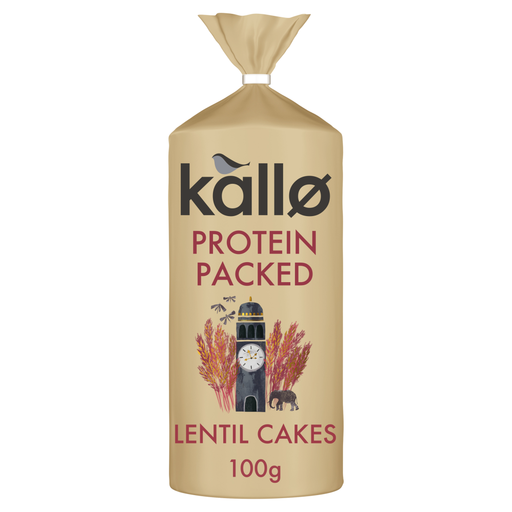
This lentil-cake option is a different format from loose potato or lentil crisps. Consider whether that format works for your movie-night serving plans, and check its pack when protein or allergens are decisive.
 No image available
The lentil-cake format offers an alternative to crisps for movie night, though it may not serve the same way in a sharing bowl. If protein is your deciding factor, check the pack’s protein and energy figures; before serving guests, check its milk, sesame and soya allergen information.
Compare protein per 100g as well as per portion, and read the energy value alongside it. Applied Nutrition lists 15g protein and 210 kcal per 50g bag of Protein Chips; check the equivalent figures on any other product you are considering rather than relying on its name.
The named Tyrrells Lentil Crisps list 13g protein per 100g, more than the 5.9g per 100g Walkers lists for Oven Baked Sea Salt. That comparison concerns those products, not every lentil or potato crisp, so check the flavours you intend to buy.
Use both: per 100g helps compare products, while the bag or serving figure shows the amount in the portion you plan to eat. Applied Nutrition’s stated Protein Chips bag is 50g; Tyrrells gives a 30g serving for its Lentil Crisps.
Read the current pack for each exact flavour before serving it. Tyrrells says its Sour Cream & Onion Lentil Crisps contains milk ingredients and may contain soya and gluten; a declaration for another flavour is not a substitute for that pack’s label.
No: dietary suitability and protein content are separate details to check. KETTLE labels its Lightly Salted variant vegan and gluten-free and lists 6.5g protein per 100g; Seabrook gives the same dietary declarations for Sea Salted and lists 5.9g per 100g.