For a street party where protein per individual bag matters, compare purpose-made protein crisps rather than assuming a lentil or potato crisp meets that aim: EatProtein states up to 11.2g per 25g bag, Applied Nutrition states 15g per 50g bag, and The Curators states 10g per 35g bag. Bag sizes differ, so check both protein per bag and per 100g; for a mixed group, keep flavour-specific ingredient and allergen information with each snack.
Who is choosing the snacks?
Hosts looking for protein per portion
If guests will each take a bag, the protein stated for that bag is more useful than a protein-focused name alone. Compare it alongside pack weight, especially when choosing between small crisp bags and larger chip servings.
Hosts serving different dietary needs
Check each flavour separately for ingredients, allergen statements and any vegan, vegetarian or gluten-free claim. Keeping the original packs available lets guests inspect the information for themselves.
Organisers of school-linked events
If a school provides the food or runs the event, ask the school or caterer which food standards and local requirements apply before ordering. Do not assume that arrangements for a private street party apply to a school event.
What should you compare?
Start with the serving each guest would receive, then check whether the flavour, packaging and ingredient information work for the group.
| Priority | What to check | Your needs |
|---|
| Protein per portion |
Compare grams of protein per bag and per 100g, noting each bag’s weight. EatProtein states up to 11.2g per 25g bag, Applied Nutrition 15g per 50g bag, and The Curators 10g per 35g bag. |
I want each guest’s serving to have a clearly stated protein amount, rather than choosing by the words on the front of the pack. |
| Ingredients and allergens |
Read the ingredient and allergen statement for every flavour. EatProtein identifies soy protein as its base; Applied Nutrition describes its Protein Chips as pea-protein-based, gluten-free and soy-free. |
Guests need to be able to check whether the particular pack suits them before taking one. |
| Pack count and flavours |
Count sealed servings against the guest list and check the stated flavour mix. The Curators lists a mixed pack of 20 × 35g bags in three flavours. |
For a larger table, I would rather plan enough individual packs than rely on open bowls or assume a multipack contains the flavours I expect. |
| Other nutrition information |
Compare energy and salt per bag as well as per 100g when bag sizes differ. The Applied Nutrition Protein Chips listing states 210 kcal per 50g bag; its Paprika listing on Joybuy states 0.65g salt per 50g pack. |
Protein is one part of the label; a larger bag changes the amount served at once. |
| Event setting |
Establish whether this is a private gathering or food supplied by a school. For a school-run event, ask the school or caterer to confirm the applicable requirements. |
If the event involves a school, I need its requirements before deciding which snacks to provide. |
What can trip up a street-party order?
-
Assuming lentil or baked means protein-focused
The base ingredient or cooking description does not tell you how much protein a guest receives. Tyrrells lists 3.9g per 30g serving for its lentil crisps, while the stated amounts for the purpose-made protein crisp examples differ by product and bag size.
Read protein per bag and per 100g on the exact product, then decide what amount per serving fits your plan.
-
Comparing protein figures without pack sizes
A 50g bag and a 25g bag are different servings. Applied Nutrition states 15g protein and 210 kcal for its 50g Protein Chips bag, so protein alone does not describe the whole serving.
Use the per-bag figures to plan what guests receive and the per-100g figures to compare products of different sizes.
-
Applying one flavour’s dietary information to every pack
Ingredients can differ across products and flavours. EatProtein identifies soy protein in its crisps, while Walkers Cheese & Onion lists milk and a separate may-contain statement.
Check every selected flavour’s current packaging and leave sealed packs available for guests to read.
-
Treating retail promotion rules as school-food rules
Department of Health and Social Care guidance describes England’s HFSS promotion and placement restrictions for qualifying businesses selling to England. Food supplied by a school is a separate setting, so that retail guidance does not answer what a school may serve.
For a school-run event, confirm the requirements with the school or caterer before purchasing; for a private party, make the selection around guests and the product labels.
Brand and product-line references
These examples help distinguish purpose-made protein crisps from conventional crisp formats; a brand name alone does not establish the nutrition or suitability of every flavour.
EatProtein
Individual protein crisps and multipack formats for hosts counting servings.
- EatProtein states up to 11.2g protein per 25g bag and identifies soy protein concentrate as an ingredient.
- Check the chosen flavour’s ingredients and whether soy suits the guests.
Applied Nutrition
Protein Chips in a 50g bag, a larger individual serving than the 25g and 35g protein-crisp examples here.
- Applied Nutrition states 15g pea protein per 50g bag and describes its Protein Chips as gluten-free.
- Compare per-bag nutrition and confirm ingredients for the flavour being served.
The Curators
A mixed lentil-chip multipack for distributing individual servings.
- The Curators lists 20 × 35g bags, 10g protein per serving and three flavours in its mixed Protein Chips pack.
- Check each flavour separately rather than assuming the whole mix has the same dietary suitability.
Tyrrells
Lentil crisps for a non-potato crisp option, rather than a substitute for a stated 10g to 15g protein-crisp bag.
- Tyrrells lists 3.9g protein per 30g serving for its lentil crisps.
- Check the serving size before comparing that figure with an individual protein-crisp bag.
Walkers
Conventional potato crisps for guests who want a familiar crisp format.
- Walkers lists 1.7g protein per 25g pack for Cheese & Onion.
- That flavour contains milk and carries may-contain warnings; check its pack when serving guests with allergen requirements.
KETTLE Chips
Conventional crisps for a sharing format rather than an individual protein-crisp serving.
- KETTLE Chips describes its Lightly Salted product as vegan and gluten-free and lists 6.5g protein per 100g.
- Apply those dietary claims to the stated product, not automatically to other flavours.
Seabrook
A conventional snack option where the exact flavour label matters more than the brand name.
- Seabrook lists 0.8g protein per 20g bag for Loaded Nacho Cheese & Jalapeño.
- That product contains milk and may contain soya and sulphites.
McCoy's
Ridged conventional crisps rather than a purpose-made protein-crisp option.
- McCoy's lists 6.6g protein per 100g for its Salted flavour.
- The Salted product carries may-contain warnings for milk, soya, gluten and mustard.
REAL Hand Cooked Crisps
Conventional hand-cooked crisps to assess by individual product label.
- REAL describes its range as vegetarian and gluten-free.
- Those statements do not establish the protein content or allergen details of a chosen pack; read its label.
Joybuy snack options
These options cover a seaweed snack, lentil chips in a sharing bag and lentil cakes. Their different formats matter when deciding whether guests need an individual crisp bag or something for a shared snack table.
 No image available
CJ Bibigo Crispy Seaweed Snack, Bulgogi Flavour, 5g × 3 packs
The three-pack format allows separate servings at a street party, but this is a seaweed snack rather than a potato or lentil crisp. Check the Bulgogi flavour’s nutrition and allergen label if protein content or dietary suitability is central to your choice.
View on Joybuy
 No image available
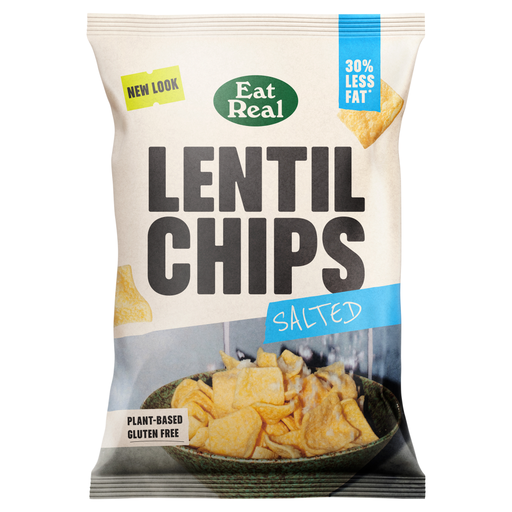
Eat Real Sea Salt Lentil Chips, 95g
This 95g lentil-chip bag is a sharing format rather than a set of sealed individual servings. Check its protein per serving and per 100g before treating it as the party’s protein-focused option, and retain the packaging for ingredient information.
View on Joybuy
 No image available
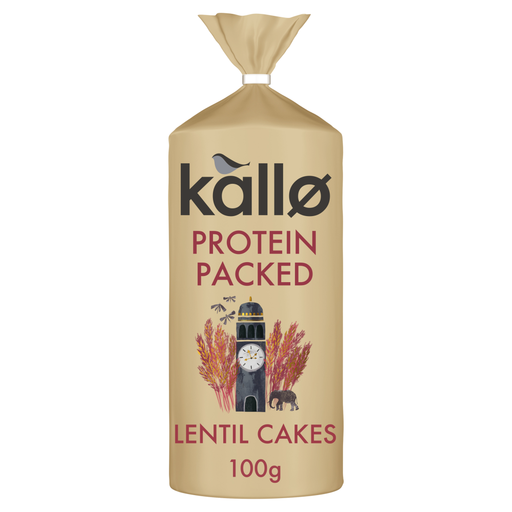
Kallo Protein Packed Lentil Cakes, 100g
These 100g-pack lentil cakes offer a different format from crisps and could be served with dips. The words Protein Packed do not tell you how much protein is in each cake; check the serving information if guests will take one at a time.
View on Joybuy
Street-party crisp questions
Are potato or lentil crisps automatically high in protein?
No: compare the stated protein per serving and per 100g for the exact product. Walkers lists 1.7g per 25g Cheese & Onion pack and Tyrrells lists 3.9g per 30g lentil-crisp serving; EatProtein, Applied Nutrition and The Curators state between 10g and 15g per individual bag for the protein-crisp examples discussed here, in different bag sizes.
How can I offer several flavours without losing track of portions?
Count the individually packed servings against the guest list and check which flavours the pack contains. The Curators lists 20 × 35g bags in three flavours for its Mixed Protein Chips; EatProtein also lists build-your-own multipack formats. Keep each flavour’s original packaging available for ingredient checks.
Can I assume every protein crisp suits vegan or gluten-free guests?
No. Read the claims, ingredients and allergen statement for the exact flavour. Applied Nutrition describes its Protein Chips as gluten-free and soy-free, whereas EatProtein identifies soy protein concentrate in its crisps; neither fact establishes the suitability of every other protein-crisp product.
What changes if the street party is run by a school?
Ask the school or caterer to confirm the food requirements for that event before buying. Department of Health and Social Care guidance on England’s HFSS promotion and placement restrictions addresses qualifying businesses selling to England, including retail and online settings; it is not a substitute for checking the separate requirements applicable to school-provided food.


