TV snackers prioritising protein
Compare protein per bag in crisp-style snacks if protein is central to your choice. Check the amount you expect to eat, rather than relying on a protein-focused name.


If protein is the reason for your TV-night snack, compare protein-focused crisp-style snacks with ordinary potato crisps rather than assuming they serve the same purpose. Walkers and Tyrrells list 1.6g–2.8g protein in the cited conventional packs, while Applied Nutrition, EatProtein and XXL Nutrition list 11g–20g per bag in their cited protein snacks. Those alternatives use pea or soya protein and starches, so check the whole-pack nutrition and ingredients as well as the protein figure.
The useful distinction is whether you chiefly want a familiar potato crisp or are choosing the snack for its protein content.
Compare protein per bag in crisp-style snacks if protein is central to your choice. Check the amount you expect to eat, rather than relying on a protein-focused name.
Some protein-focused snacks contain dehydrated potato or potato starch alongside pea or soya protein. Read the ingredients if that differs from the sliced-potato crisp you had in mind.
Compare pack size, energy, salt and allergens alongside protein. Terms such as “baked” or “less fat” answer a different question from how much protein the pack contains.
Start with the pack you are likely to eat, then check whether its ingredients and nutrition suit the kind of snack you want.
| Priority | What to check | Your needs |
|---|---|---|
| Protein per pack | Compare grams per whole bag and its size. The high-protein claim criterion published by legislation.gov.uk requires protein to provide at least 20% of the food’s energy; grams alone do not establish that proportion. | If I am buying the snack for protein, I want to know what the bag I plan to eat contains. Applied Nutrition lists 15g per 50g bag; EatProtein lists 11g per 25g bag, and XXL Nutrition lists 20g per 50g serving. |
| Type of snack | Read the main ingredients: conventional examples use potatoes, while cited protein-focused recipes combine potato ingredients or starches with pea or soya protein. | I might prefer an ordinary potato crisp for its familiar format, or accept a reformulated crisp-style snack when protein matters more. The ingredient list helps distinguish them. |
| Portion and nutrition | Check whether the panel describes one bag, a serving or 100g. Compare energy and salt for the amount you expect to eat, especially with a sharing pack. | For a long TV session, I want the figures to reflect my portion. Tyrrells lists 208 kcal and 0.26g salt for its 40g Lightly Sea Salted pack; that is a different pack size from a 25g snack. |
| Ingredients and allergens | Check the exact flavour’s current ingredient and allergen label. Applied Nutrition identifies pea protein in its Original chips; EatProtein and XXL Nutrition identify soya protein in their cited recipes. | If I avoid soya or another ingredient, I need to assess the specific product and flavour rather than assume all protein snacks use the same recipe. |
Walkers says its Oven Baked Sea Salt crisps have 50% less fat than regular potato crisps, but lists 1.3g protein per 22g pack. The fat comparison does not establish a high-protein claim.
Check protein per pack separately. For a high-protein claim, the criterion published by legislation.gov.uk is that protein provides at least 20% of the food’s energy.
A per-100g figure can obscure the amount in the snack you will actually eat. Tyrrells lists 2.8g protein per 40g Lightly Sea Salted pack; the cited protein-focused products come in different bag sizes.
Compare protein, energy and salt for your intended portion. Do not treat a sharing bag as a single serving without checking its label.
Applied Nutrition’s cited chips use pea protein, whereas EatProtein and XXL Nutrition list soya protein in their cited products. That difference matters when selecting by ingredients.
Read the current ingredient and allergen information for the exact flavour before buying.
These conventional crisp examples provide label points of comparison; a brand’s inclusion here does not make every flavour a protein-focused snack.
A reference point for familiar potato crisps and smaller packs.
Hand-cooked potato crisps for shoppers who want a potato, sunflower oil and sea salt recipe in the cited flavour.
A conventional potato-crisp reference for shoppers considering a lightly salted flavour.
A potato-crisp option represented here by its Sea Salted flavour.
Potato crisps represented here by the Anglesey Sea Salt flavour.
A hand-cooked crisp range to consider by flavour and ingredient preferences.
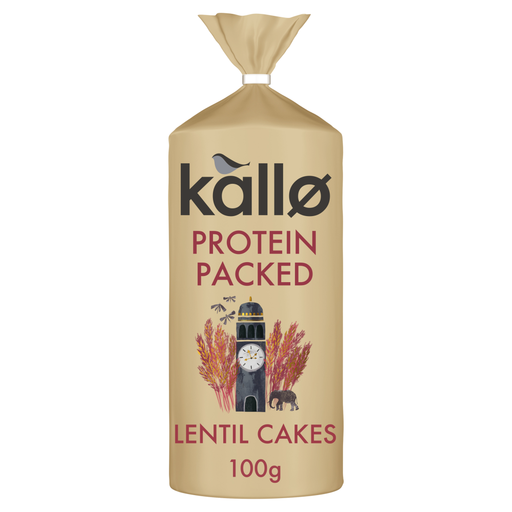
The option below is a lentil-cake snack, not a potato crisp. Consider that difference if the potato-crisp format matters to your TV-night choice.
 No image available
These lentil cakes offer a non-potato snack format for a TV night. The pack is 100g; check its nutrition and ingredient label if protein or dietary suitability is central to your choice.
If protein is your main buying criterion, compare them with protein-focused snacks. Walkers lists 1.6g protein per 25g Ready Salted pack and Tyrrells lists 2.8g per 40g Lightly Sea Salted pack, while the cited products from Applied Nutrition, EatProtein and XXL Nutrition list 11g–20g per bag. Ordinary crisps may still be your choice for their potato-crisp format.
The high-protein claim criterion published by legislation.gov.uk requires at least 20% of the food’s energy value to come from protein. Protein grams per bag help you compare portions, but do not by themselves establish that energy proportion.
No. Applied Nutrition lists dehydrated potato and pea protein in its cited chips, while EatProtein and XXL Nutrition list soya protein alongside potato starch and other starches. Check the ingredient list if you specifically want conventional potato crisps or need to avoid soya.
No personal-purchase ban follows from the cited retail guidance. The Department of Health and Social Care’s guidance concerns promotion and placement of specified products by qualifying businesses operating in and selling to England; it is not a rule about eating crisps at home or a UK-wide school-meal rule.