
24/7 全天候客户支持

免费退货

当日/次日达

品质保障

开启新人专享福利: 全场免邮 | 低至 2 折 | 免费试用 30 天 JoyPlus 会员
下载 Joybuy
Navigating the world of protein shakes can feel like a workout in itself. With shelves and websites full of options, it's easy to pick a product that promises great results but falls short in reality. Many UK shoppers find themselves with shakes that are either packed with hidden sugars or have a disappointingly gritty texture, making them a chore to drink.
As the Joybuy Product Recommendation Officer, my role is to help you see past the marketing jargon. This guide will highlight the common pitfalls to watch out for and break down the key factors to check before you buy, ensuring you find a protein supplement that genuinely supports your fitness goals and busy lifestyle.
Before you add anything to your basket, be aware of these two frequent issues that can lead to a poor purchase:
To avoid the pitfalls, focus on these two non-negotiable parameters. Understanding them will empower you to select a product that works for you.
The type of protein used dictates its function and suitability. The most common source is whey protein, derived from milk, which is popular for its complete amino acid profile and rapid absorption, making it ideal for a post workout shake.
Consider what you need. Are you looking for rapid muscle repair after the gym, or a convenient on the go protein snack to keep you full between meals? The protein source will guide your choice.
Your lifestyle often determines the most practical format.
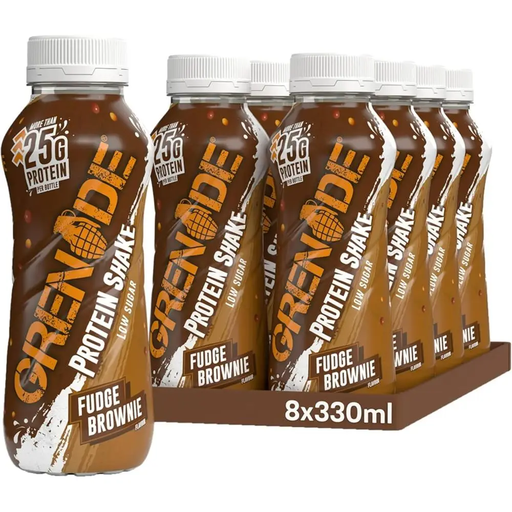
Why This Fits Their Persona: For the office worker or commuter, convenience is paramount. This ready-to-drink format requires no mixing and serves as a satisfying on-the-go protein snack that easily fits into a busy schedule.
It delivers an indulgent brownie flavour while remaining a low sugar protein shake (7g of sugar per 330ml bottle). The formula uses stabilisers to ensure a consistently smooth, non-gritty texture.
A substantial 26g of milk protein per bottle supports muscle maintenance, and the ready-to-drink format offers maximum convenience.
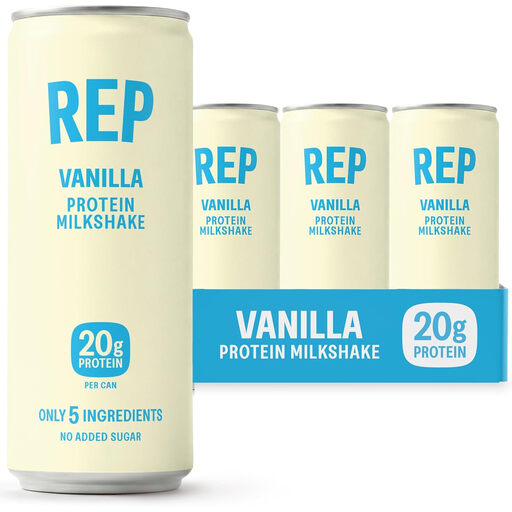
Why This Fits Their Persona: This user prioritises natural, simple ingredients above all else. They scrutinise labels for artificial additives and prefer products that are as close to their natural state as possible.
It directly counters the pitfall of hidden additives. With only five ingredients and no artificial sweeteners, flavours or stabilisers, what you see is what you get. The sweetness comes naturally from the milk.
An exceptionally clean ingredient list based on British milk. It provides 20g of protein in a light, 150-calorie serving that is gentle on the stomach.
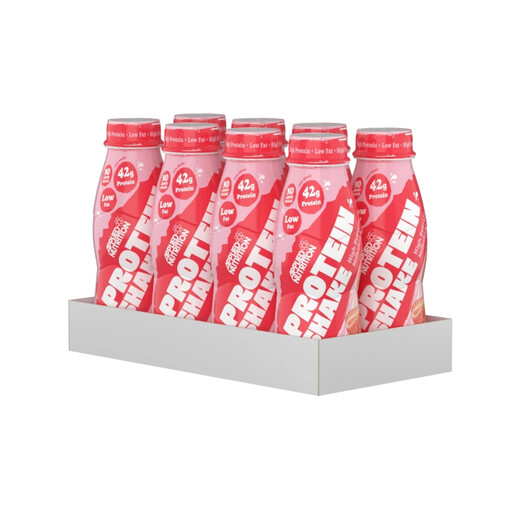
Why This Fits Their Persona: This individual is focused on performance and requires a significant protein intake for muscle recovery and growth after intense training sessions. They need a powerful post-workout shake.
It avoids the trap of being just a "tasty drink" by prioritising function. It delivers a very high dose of protein without added sugar or high fat content, focusing purely on its role as a muscle recovery drink.
An impressive 42g of protein per 500ml bottle makes it one of the higher-dose ready-to-drink options available, ideal for serious recovery needs.
We have compiled a complete, real-time list of products that fully satisfy these strict selection criteria and UK safety regulations.
1. When is the right time to have a protein shake?
The most common time is within 30-60 minutes after a workout to aid muscle repair, which is often referred to as the "anabolic window." However, they are also effective when consumed at other times. A protein shake can be a convenient breakfast component, a snack to curb hunger between meals or a way to boost the protein content of your last meal of the day.
2. Are ready-to-drink protein shakes as effective as protein powder?
From a nutritional standpoint, yes. The protein in a ready-to-drink shake is just as effective as the protein in a powder, provided the quality and quantity are comparable. The primary difference is convenience and cost. Powders are more economical for daily use, while ready-to-drink shakes are ideal for their grab-and-go simplicity. Always check the label on either format to confirm the protein content per serving meets your needs.