What should you check before choosing?
Decide whether protein, a particular crunchy format or an everyday snack is the main aim, then check the portion and ingredients of the exact product.
| Priority |
What to check |
Your needs |
| Protein per portion |
Compare the stated serving with the amount you plan to serve. For different portion sizes, check protein per 100g as well: Waitrose & Partners lists 22g per 100g for its paprika popped tortillas, while Sainsbury's lists 5.3g per 100g for its standard tortilla chips. |
I'm looking for a protein contribution, so I need to compare the portion I would serve rather than assume every tortilla-style snack provides the same amount. |
| Allergen advice |
Read the current ingredients and precautionary statements for the exact flavour. Waitrose & Partners lists soya and a possible sesame presence for its paprika popped tortillas; Doritos UK says Chilli Heatwave may contain wheat and other cereals containing gluten. |
Before I serve or pack a snack, I need its particular allergen advice to suit the child and, if it is going to school, the school's arrangements. |
| Salt and portion size |
Check salt for the portion being served, alongside protein. Doritos UK lists 0.48g salt per 48g bag of Protein Chipotle. Use the packet's nutrition table and traffic-light labelling rather than the protein wording alone. |
A higher protein figure is only one part of my decision about a packaged after-school snack. |
| Snack format |
Check whether the product is a tortilla chip, another lentil chip or a lentil cake, and whether its pack size suits the portion you intend to serve. |
If the request is specifically for tortilla chips, I don't want to mistake a differently shaped lentil snack for the same thing. |
| Everyday choice |
Consider whether a packaged crunchy snack is needed that day. The NHS recommends fruit and vegetables for children's snacks and advises aiming for no more than two packaged snacks a day. |
For a routine after-school snack, I may prefer fruit or vegetables; a chip-style product can be a separate choice when its format and ingredients suit the occasion. |
Brands and product lines to compare
These product examples illustrate different protein amounts, formats and allergen statements; a brand name alone does not establish what is in a particular flavour.
Doritos
Doritos UK lists 10g protein per 48g bag and 21g per 100g for Protein Chipotle, a popped snack made with lentils, soya and corn.
- The single-bag protein amount makes the intended portion clear.
- Protein Chipotle contains soya and lists 0.48g salt per bag. Allergen advice for other Doritos flavours must be checked separately.
Waitrose
Waitrose & Partners lists 6.6g protein per 30g serving and 22g per 100g for its High Protein Paprika Popped Tortillas.
- The listing gives both serving and per-100g protein figures for comparison.
- The paprika product contains soya and may contain sesame.
M&S
M&S lists 24.8g protein and 6.5g fibre per 100g for its Smoked Paprika Popped Red Lentil Tortillas.
- The product is a popped red-lentil tortilla-style snack.
- M&S states that this product is not suitable for people with sesame or soya allergy.
The Curators
The Curators' Tangy Cheese Protein Chips are a lentil-and-soya tortilla-style snack. The Waitrose & Partners listing states 30g protein per 100g.
- The product is labelled gluten free.
- It contains soya and milk; its gluten-free label does not address those allergens.
Sainsbury's
Sainsbury's standard tortilla chips provide a conventional maize-chip comparison, with 1.6g protein per 30g serving and 5.3g per 100g on its listing.
- The stated serving figure helps distinguish standard chips from the protein-labelled examples.
- Check the exact pack and flavour rather than applying one tortilla-chip ingredient list to every product.
Joybuy options for a crunchy snack
These options are lentil cakes and lentil chips rather than conventional tortilla chips. Their different formats matter if the child specifically wants tortilla chips.
 Image unavailable
Kallo Protein Packed Lentil Cakes 100g
Consider the lentil-cake format if a crunchy snack is wanted without choosing a chip. The listed allergy caution mentions milk, sesame and soya; check the current packet before serving or packing it.
View on Joybuy
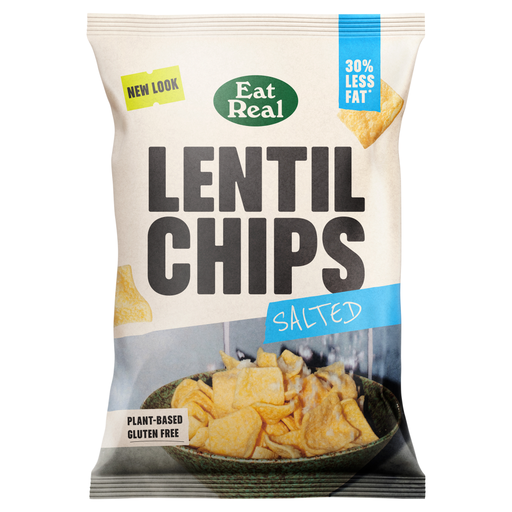 Image unavailable
Eat Real Sea Salt Lentil Chips 95g
These are lentil chips, so check the portion and nutrition table if comparing them with tortilla-style snacks. The listed allergy advice says they may contain soya and celery; confirm this on the current packet.
View on Joybuy
Questions about after-school tortilla snacks
Do all tortilla chips contain gluten?
No: gluten status cannot be assumed for the whole category. Doritos UK says Chilli Heatwave may contain wheat and other cereals containing gluten, while The Curators' Tangy Cheese Protein Chips are labelled gluten free but contain milk and soya. Check the current packet for the exact product and flavour.
What should I check before packing protein tortilla snacks for school?
Read the current packet's ingredients and allergen advice, then follow the school's allergy arrangements. In particular, check soya, milk and sesame statements on protein-labelled products rather than assuming that their tortilla-style format tells you which allergens are present.
Should a protein tortilla snack be an everyday after-school choice?
Not solely because it is labelled for protein. The NHS recommends fruit and vegetables for children's snacks and advises aiming for no more than two packaged snacks a day. When choosing a packaged option, compare its portion, salt, ingredients and allergen advice as well as protein.
How should opened tortilla-style snacks be stored?
Follow the instructions on the particular pack. M&S advises keeping its Smoked Paprika Popped Red Lentil Tortillas in a cool, dry place and using an airtight container once opened.


