People taking a snack to training
If one portable bag needs to contribute protein, compare the amount declared for the whole bag. Applied Nutrition declares 15 g for its Protein Chips; Myprotein declares at least 10 g for its Popped Protein Crisps.


Choose a dedicated protein crisp if you want one savoury bag to make a substantial contribution to your post-workout protein intake: Applied Nutrition declares 15 g per 50 g bag, while Myprotein declares at least 10 g per bag. Walkers Salt & Shake and Seabrook Sea Salted declare 1.5 g and 1.9 g per bag respectively; Tyrrells Sour Cream & Onion Lentil Crisps declare 3.9 g per 30 g serving. Consider fluids and the rest of your food after exercise too, rather than treating a packet of crisps as a complete recovery plan.
The useful distinction is whether you want protein from the snack itself or simply want something savoury alongside other food.
If one portable bag needs to contribute protein, compare the amount declared for the whole bag. Applied Nutrition declares 15 g for its Protein Chips; Myprotein declares at least 10 g for its Popped Protein Crisps.
A lentil base changes the ingredient choice, but does not tell you how much protein you will eat. Compare Tyrrells’ stated 3.9 g per 30 g lentil-crisp serving with the protein amount on any specialist product’s bag.
Read the ingredients and allergen statement for the exact flavour and pack. Applied Nutrition describes its Protein Chips as gluten-free and soy-free, but that description does not apply to other crisp products.
Start with the portion you will eat, then check the other label details that matter to your choice.
| Priority | What to check | Your needs |
|---|---|---|
| Protein per portion | Find the grams of protein per bag or intended serving, not just per 100 g. Applied Nutrition declares 15 g per 50 g bag; Myprotein declares at least 10 g per bag. | I want the snack itself to contribute protein, so the amount in the portion I will actually eat matters more than a per-100 g figure. |
| Type of crisp | Compare a conventional potato crisp, a lentil crisp and a dedicated protein crisp by their declared portion sizes. Tyrrells declares 3.9 g protein per 30 g serving of its Sour Cream & Onion Lentil Crisps. | If I mainly want crunch alongside another protein-containing food, I may not need a specialist product. If the crisps are my protein-containing snack, I need to compare the pack figures. |
| Food and fluids after exercise | Consider what else you will eat and drink, particularly after a demanding session. The British Nutrition Foundation discusses carbohydrate, protein and fluids as distinct parts of exercise nutrition. | I do not want to mistake a packet of crisps for everything I might need to eat or drink after training. |
| Other label details | Check fat, salt, ingredients and allergens for the exact product and portion. Tyrrells declares 6.0 g fat and 0.60 g salt per 30 g serving of its Sour Cream & Onion Lentil Crisps. | Protein is not my only consideration; the flavour’s ingredients and the amount I plan to eat also affect my choice. |
Tyrrells declares 3.9 g protein per 30 g serving of its Sour Cream & Onion Lentil Crisps. The ingredient or fat description alone cannot tell you how much protein is in your portion.
Read the protein amount and serving size on the exact pack before comparing it with a dedicated protein crisp.
McCoy’s lists 6.6 g protein per 100 g for its Salted crisps, while Applied Nutrition declares 15 g per 50 g bag of Protein Chips. Those figures describe different quantities of food.
Compare protein, energy, fat and salt using the portion you expect to eat for each product.
A protein figure does not account for fluids or the rest of a post-exercise meal. The British Nutrition Foundation discusses carbohydrate and fluid intake alongside protein in exercise nutrition.
Think about what you will drink and eat with the snack, especially after a demanding session.
Protein is only one part of the comparison. For example, Tyrrells declares 6.0 g fat and 0.60 g salt per 30 g serving of its Sour Cream & Onion Lentil Crisps.
Check the current pack’s nutrition, ingredients and allergen statement rather than applying one flavour’s details to a whole range.
These named products show why protein figures need a portion size; they are brand references, not a list of products sold by Joybuy.
Salt & Shake is a conventional potato crisp choice rather than a protein-focused snack.
Its Sour Cream & Onion Lentil Crisps offer a lentil-based alternative to potato crisps.
KETTLE Lightly Salted is a conventional potato crisp to assess by the portion you eat.
Sea Salted provides a single-bag example of a conventional potato crisp.
Salted is a ridged potato crisp with nutrition stated per 100 g.
REAL describes its crisp range as vegetarian and gluten-free.
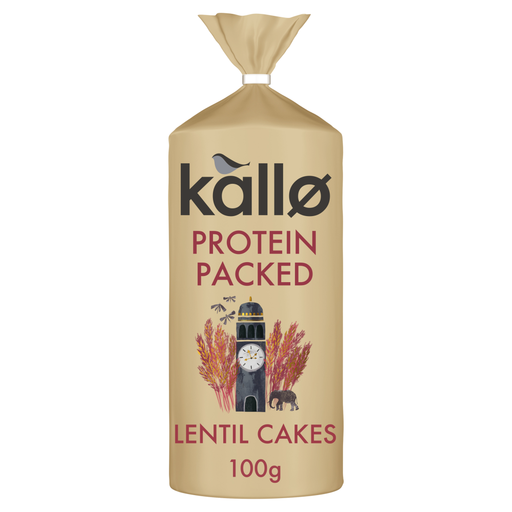
This lentil-cake option is for shoppers considering a crisp-like savoury snack. Check its stated serving and protein amount before treating it as an alternative to a single bag of dedicated protein crisps.
 No image available
A lentil-cake choice for a savoury snack after exercise. The product is listed as 100g; check the pack’s serving size, protein figure, ingredients and allergen statement for the portion you intend to eat.
Check the bag before relying on it for protein: Walkers Salt & Shake declares 1.5 g per 24 g pack and Seabrook Sea Salted declares 1.9 g per 31.8 g bag. If you want the snack itself to contribute more, compare those figures with Applied Nutrition’s declared 15 g per bag or Myprotein’s at least 10 g per bag, or have ordinary crisps alongside another protein-containing food.
No. Tyrrells declares 3.9 g protein per 30 g serving of its Sour Cream & Onion Lentil Crisps. Use the nutrition panel and serving size of the product you are buying rather than assuming a figure from its main ingredient.
Use the amount in the bag or portion you will eat. Applied Nutrition declares 15 g per 50 g bag of Protein Chips, and Myprotein declares at least 10 g per bag of Popped Protein Crisps. The British Heart Foundation discusses 10–20 g of protein in its general advice on recovery drinks; that is not an individual requirement for every workout or snack.
A protein crisp can be one part of what you eat after exercise, but it does not provide a drink. The British Nutrition Foundation discusses carbohydrate and fluids as well as protein in exercise nutrition, so consider the snack alongside the rest of your food and drink, particularly after a demanding session.
Read the ingredient and allergen statement on the exact flavour and pack. Applied Nutrition describes its Protein Chips as containing pea protein and as gluten-free and soy-free, but those product-specific descriptions cannot be assumed for other crisps or lentil cakes.