Quiet-study lesson planners
If you draft and edit plans near other people, reduced button-click noise is relevant. A quiet-click description does not mean the scroll wheel or movement across the desk will be inaudible.


For lesson planning in a quiet study, start with a mouse that explicitly offers quieter clicks, then choose its shape and connection for the way you work. A compact Bluetooth model suits a portable, port-free setup; a hand-sized, contoured model may suit longer document sessions; and a vertical or wrist-supporting shape is worth considering if comfort matters most, provided it fits your hand and device.
If you draft and edit plans near other people, reduced button-click noise is relevant. A quiet-click description does not mean the scroll wheel or movement across the desk will be inaudible.
If you spend extended periods working through plans, slides and other documents, consider hand fit and where the mouse sits on your desk. The Health and Safety Executive advises keeping a mouse within easy reach so it can be used with a straight wrist.
If you plan on more than one device, check Bluetooth compatibility and whether the exact mouse can switch between devices. A Bluetooth connection can also leave a USB port free.
Check click noise first for a quiet study, then decide whether hand fit or the devices you use place greater demands on the mouse. Finally, compare the setup and battery arrangements you would live with day to day.
| Concern | What to check | Who this matters to |
|---|---|---|
| Quiet clicking | Look for a quiet-click claim for the exact model. Check the wheel separately if scrolling noise matters. | If I work beside someone in a quiet study, repeated button clicks can interrupt concentration. Around 37% of consumers put quieter clicking first. |
| Hand fit | Compare the maker's hand-size and handedness guidance with your grip, and make sure the mouse can sit within easy reach. | During long stretches editing plans and slides, I want a grip that suits my hand without reaching across the desk. For around 27% of consumers, hand fit is the primary concern. |
| Device connection | Check operating-system support and whether your intended connection needs Bluetooth or an available USB port. | When I move between a laptop and tablet, I need a connection that works with both. Around 18% of consumers prioritise device connection. |
| Setup and upkeep | Check the pairing method, battery type or charging method, and the exact model's warranty terms. | I want to start planning without a complicated setup or an unexpected battery change mid-session. Simple upkeep comes first for around 18% of consumers. |
A claim about button clicks does not necessarily cover the scroll wheel or movement across the desk.
If you scroll through long documents in a shared study, check the exact model's wheel description as well as its button-click claim.
A mouse that is easy to carry will not necessarily suit your hand during a long planning session. Logitech, for example, gives different hand-size guidance for Signature M650 variants.
Compare the maker's fit guidance with your grip. The Health and Safety Executive also advises positioning the mouse within easy reach so you can use it with a straight wrist.
A Bluetooth-only mouse needs a compatible device, while a receiver-based connection needs a suitable USB port. The word “wireless” alone does not establish which connection is supplied.
Check the exact model's connection options, operating-system support and package contents before ordering.
Stated battery life can vary with use, and a mouse powered by replaceable batteries will eventually need new ones.
Check the power arrangement for the model you choose and use an appropriate electrical recycling or retailer take-back route when replacing an old mouse.
Logitech's range includes compact Bluetooth mice, size-specific contoured models and a vertical option with stated quieter-click features.
Kensington offers quiet-click models spanning receiver-based use, compact Bluetooth use and a more supportive ergonomic shape.
These mice offer different ways to address quiet clicking while preparing lesson plans, from a wired USB setup to Bluetooth and receiver-based options. Check each model's fit and connection against your desk and devices; a quiet-click description alone does not settle those choices.
 No image available
Consider this ergonomic model for longer document sessions if its shape suits your grip. If you plan to use a USB receiver, confirm whether one is included before ordering.
 No image available
This wired option suits a study desk with a suitable USB port. Its title specifies four buttons, silent clicks and adjustable 1000/1200/1600 DPI; check wheel noise separately if quiet scrolling matters.
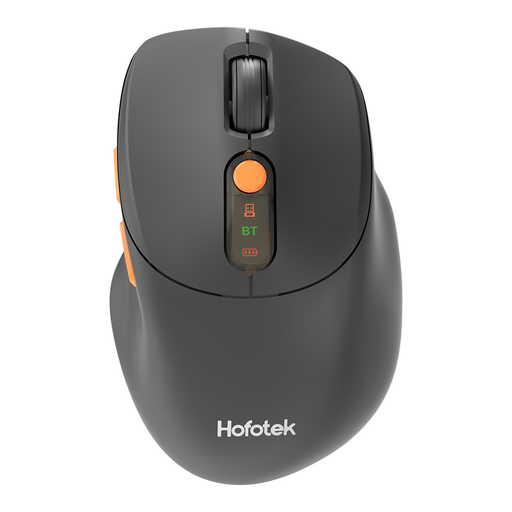 No image available
Consider this model if you want a choice of Bluetooth or 2.4G connection for a compatible device. The title specifies one AA battery; check the mouse's dimensions against your grip and its wheel description if scrolling noise matters.
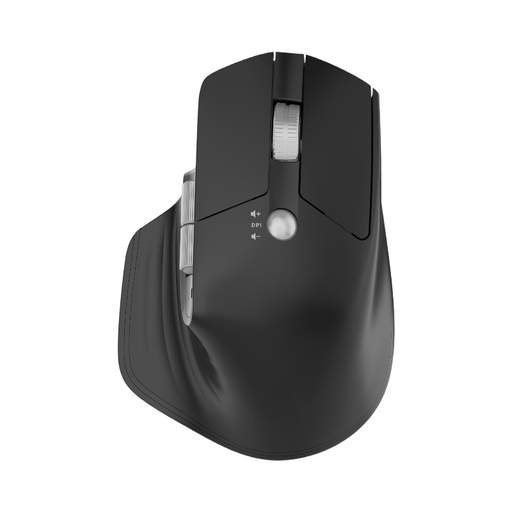 No image available
This model is an option if you want quiet clicks and a choice of wireless connection. Its title specifies one-touch DPI adjustment; confirm operating-system compatibility and whether its shape suits your hand.
 No image available
Consider this model if a USB-receiver connection suits your desk. Its title specifies 2.4 GHz wireless use, 1600 DPI and silent clicks; check its dimensions and wheel noise if fit or quiet scrolling is a priority.
No. It usually describes reduced button-click noise, not necessarily the wheel or movement across the desk. Logitech states a 90% click-sound reduction for its M240 and Pebble Mouse 2 M350s under its own stated comparison; check the exact model's wheel description if scrolling noise matters to you.
Put the mouse into pairing mode according to its instructions, then select it in your device's Bluetooth settings. Logitech says a rapidly blinking light indicates that a compatible mouse is ready to pair; check the operating-system support for the exact model before buying.
An ergonomic shape may be worth considering, but it is not a substitute for a mouse that fits your hand and a workable desk arrangement. The Health and Safety Executive advises keeping the mouse within easy reach, using it with a straight wrist and supporting the forearm.
For an eligible UK online purchase, GOV.UK says you can cancel up to 14 days after delivery without giving a reason. Check the retailer's cancellation instructions and applicable exceptions; change-of-mind cancellation is separate from remedies for faulty, damaged or misdescribed goods.