
24/7 Customer Support

Free returns

Same-day & Next-day Delivery

Quality Guaranteed

Unlock Your Welcome Offers: FREE Delivery | Up to 80% OFF | Free 30-day JoyPlus trial
Download the APP
Fumbling in a dark wardrobe for a specific shirt, navigating a gloomy hallway at night or trying to find the right spice in a shadowy kitchen cupboard are common frustrations. A rechargeable motion sensor light seems like the perfect, simple solution. With no wiring required, they promise instant illumination exactly where and when you need it.
However, the market is flooded with options and many fail to live up to their promises. Before you make a purchase, it's important to be aware of a few common pitfalls that can lead to disappointment and wasted money.
By understanding what to look for, you can easily sidestep these issues and find a light that genuinely makes your home more convenient and safer.
To avoid the traps, focus on the technical specifications that actually matter for day-to-day use. Here are the three non-negotiable factors to analyse.
The battery is the heart of any rechargeable motion sensor light. Its capacity is measured in milliampere-hours (mAh). A higher number generally means a longer time between charges. For a strip-style under cabinet light in a kitchen, look for a capacity of at least 1500mAh for reasonable performance. For a smaller drawer light, a lower capacity is acceptable.
Also, check the charging port. The modern USB-C standard is more robust and convenient than the older Micro-USB, as the cables are reversible and often charge faster. Having USB rechargeable kitchen lights means you can use the same cables as your phone or other devices.
This is more critical than most people realise. A simple "stick-on" adhesive backing is often not enough. The most reliable system is a magnetic strip light. This design typically involves two parts: a thin metal plate with a strong adhesive backing that you stick to your surface, and the light itself, which contains magnets.
This allows you to firmly attach the plate to your cupboard, wall or wardrobe, and then simply snap the light into place. When it's time to recharge, you can easily detach the light without ever touching the adhesive, ensuring a secure mount for years to come. This is the ideal setup for any stick on lights for cupboards.
Not all light is created equal. Two metrics determine its quality:
We've filtered through the options to match specific products to common household needs, focusing on models that address the pitfalls mentioned earlier.
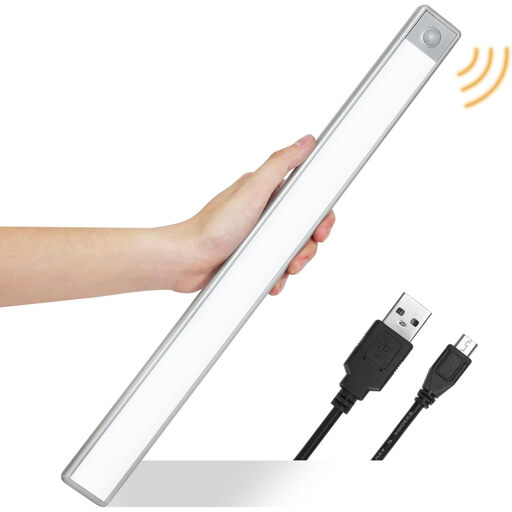
Why This Fits Their Persona: This is for the user who needs a powerful, reliable light for a high-use area like a kitchen or a large wardrobe. They value performance and durability over a rock-bottom price and want a set-and-forget solution.
Its high-capacity 2400mAh battery directly counters the short-life pitfall, providing longer intervals between charges even in busy kitchens. The included metal bracket and tape offer a more robust mounting solution than tape alone.
Bright 350 lumens output is excellent for task lighting. The durable brushed aluminium casing feels substantial and is easy to clean.
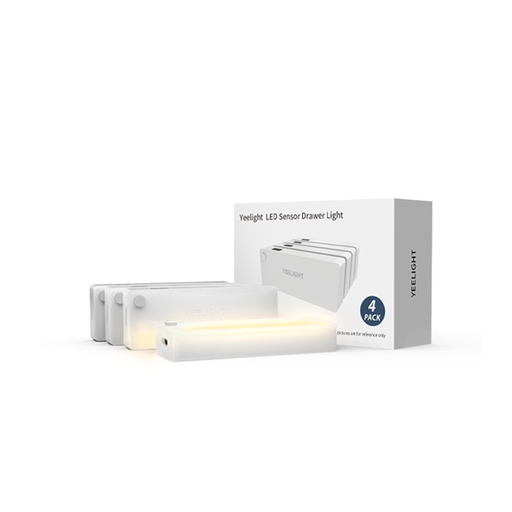
Why This Fits Their Persona: Ideal for someone tackling small, dark spots like cutlery drawers, deep cupboards or a child's toy box. They need a small, unobtrusive light that activates reliably at close range and is easy to install in tight quarters.
These lights are specifically designed for enclosed spaces, meaning their sensors are calibrated for short-range detection. This avoids the "inconsistent sensor" pitfall, as they won't trigger accidentally from movement outside the drawer.
The compact, puck-like design fits where bar lights cannot. The multi-pack offers great value for organising multiple small spaces at once.
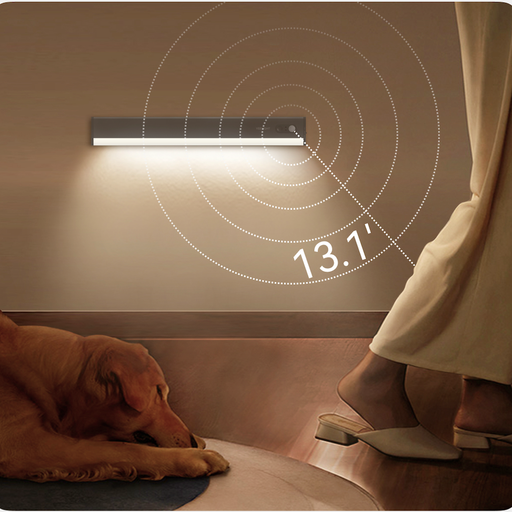
Why This Fits Their Persona: This user wants a solution that is not only functional but also looks good. Living in a rented property, they need a damage-free installation. The light must blend seamlessly with modern decor in a visible area like an open-plan kitchen or a stylish wardrobe.
The reliable magnetic mounting system is perfect for renters, as it provides a strong hold that is easily removable for charging without damaging walls or cabinets. This directly solves the "flimsy adhesive" pitfall.
Its ultra-thin profile and metallic finish give it a premium, built-in look, unlike bulky plastic alternatives. The warm illumination creates a pleasant ambiance.
We have compiled a complete, real-time list of products that fully satisfy these strict selection criteria and UK safety regulations.
This depends heavily on the battery capacity (mAh) and your usage. A light in a rarely used cupboard might last for months. However, for a wireless wardrobe light or kitchen light that activates several times a day, a model with a large battery (1500mAh or more) might last anywhere from three to eight weeks. Always check the mAh rating as a primary indicator of battery performance.
Yes. Most quality magnetic lights come with a thin metal plate that has a self-adhesive backing. You stick this plate to your desired surface—be it wood, plaster or plastic—and the magnetic light will then attach securely to the plate. This provides a strong, reliable mount on almost any flat surface.
They are an excellent safety feature, especially in homes with children or elderly residents. For stairs, choose a light that provides a neutral or cool white light for maximum visibility. A brightness of around 150-200 lumens per light is generally sufficient to illuminate the treads without causing harsh glare. Ensure they are mounted securely to the side wall or under the lip of the stair to prevent them from becoming a trip hazard.