Campers comparing fat content
If you want crisps to take to a festival but are looking to reduce fat, compare the figure per 100g as well as the amount in the packet you expect to eat.


For festival camping, an explicitly reduced-fat crisp is worth considering if fat is your main concern, but compare fat per 100g and per packet: the claim does not mean the product is low in fat or salt. Individual packets can make portions easier to plan; check each flavour’s allergens and follow its storage instructions before packing.
If you want crisps to take to a festival but are looking to reduce fat, compare the figure per 100g as well as the amount in the packet you expect to eat.
A reduced-fat claim addresses fat, not salt. Read both figures on the same per-100g basis before choosing between flavours or products.
Check the exact flavour’s ingredients, suitability statements and allergen warnings on the current pack rather than relying on a brand-wide description.
Start with comparable nutrition figures, then choose a pack format and flavour that work for the trip.
| Priority | What to check | Your needs |
|---|---|---|
| Fat | Compare total fat per 100g, then check fat per packet and the weight of the packet. Read what a reduced-fat claim is comparing the product with. | I want a lower-fat choice, but I do not want a comparative claim to stand in for the nutrition figures. |
| Salt | Compare salt per 100g and per packet. Check a less-salt claim separately from any claim about fat. | If I am taking crisps for several snack breaks, salt matters to my choice as well as fat. |
| Pack format and storage | Check how many packets are inside a multipack, the weight of each one and the manufacturer’s storage instructions. Keep food sealed where it could be exposed to damp or pests. | Individual packets would let me pack snacks without leaving a partly eaten sharing bag open. |
| Ingredients and allergens | Read the current label for the exact flavour, including ingredients, suitability statements and may-contain warnings. | I need to know whether the particular packet I am taking meets my dietary requirements. |
The NHS food-label guide describes low fat as 3g or less per 100g. Walkers Oven Baked Sea Salt lists 13g per 100g despite its comparative reduced-fat claim.
Compare the per-100g figure first, then check how much fat is in the packet you plan to eat.
Tyrrells lists 2.0–2.1g salt per 100g for the two Lentil Crisps flavours discussed here, alongside its comparative fat claim.
If both nutrients matter to you, compare fat and salt separately on each flavour’s label.
A stated serving may be smaller than the amount you eat from an opened bag, so the per-serving figure alone may not describe your snack.
Compare the serving size with the bag weight. If useful for your plans, pack individual packets or divide a larger bag before travelling.
Ingredients and allergen warnings can differ between flavours. A range-level dietary statement does not replace the declaration for a particular packet.
Read the current label for every flavour you intend to pack, including its may-contain wording.
These range references help distinguish reduced-fat claims from salt and dietary-suitability considerations; they do not establish which individual products are available to buy.
Walkers Oven Baked Sea Salt is a potato-crisp example with an explicit comparative fat claim. Walkers Lightly Salted addresses salt instead.
Tyrrells Lentil Crisps offer a lentil-based option with a comparative fat claim.
KETTLE Lightly Salted is relevant when its salt figure and stated dietary suitability matter more to you than a reduced-fat claim.
Seabrook Sea Salted is a conventional potato-crisp reference for checking dietary statements alongside nutrition.
McCoy’s Salted is a ridged-crisp option rather than an identified reduced-fat option.
REAL’s range-level statements are a starting point for checking dietary suitability, not a fat comparison.
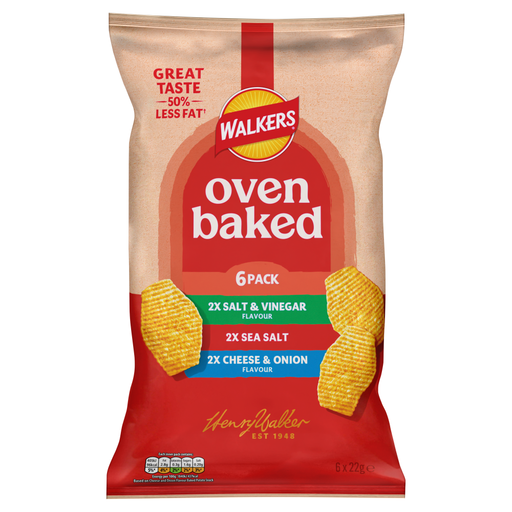
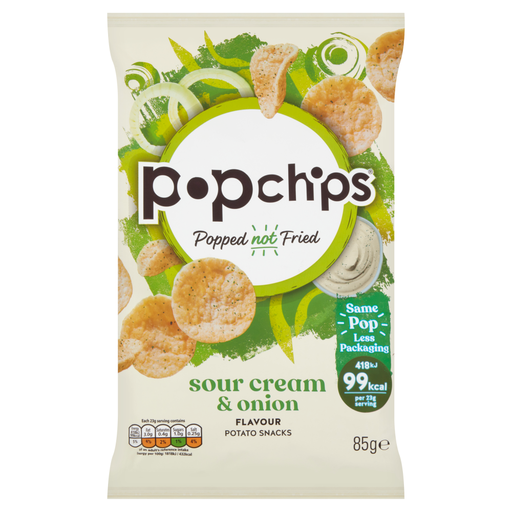
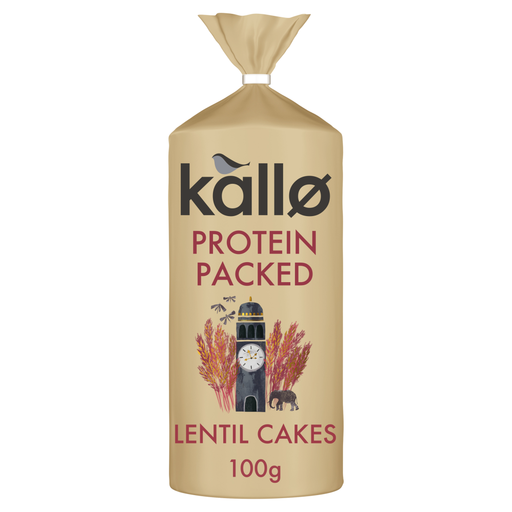
These options include a Walkers Oven Baked variety multipack, a bag of PopChips and lentil cakes as a savoury alternative. They are different products: check each pack’s own nutrition label rather than applying figures from the named manufacturer flavours above to them.
 No image available
Six 22g packets offer an individual-pack format for camping. Check the nutrition and allergen label for each flavour; the figures for Walkers Oven Baked Sea Salt should not be assumed to apply to the whole variety pack.
 No image available
This 85g bag is an alternative to individual packets. Compare its stated serving size with the amount you expect to eat, and check its own fat, salt and allergen information.
 No image available
These 100g lentil cakes are a savoury snack alternative, not a potato crisp. If reducing fat is the aim, compare their own per-100g label with the crisps you are considering; check the current pack for dietary and allergen information.
No. “Reduced fat” compares a product with a stated reference, while the NHS food-label guide describes low fat as 3g or less per 100g. Walkers Oven Baked Sea Salt lists 13g fat per 100g, so check the per-100g figure as well as its comparative claim.
Not necessarily. Tyrrells lists 2.0–2.1g salt per 100g for its two cited Lentil Crisps flavours alongside a comparative fat claim. Compare salt and fat separately on the exact flavour’s nutrition panel.
Follow the product’s storage instructions and keep packs protected from damp and pests. The cited Walkers Oven Baked product calls for cool, dry storage before opening; the Food Standards Agency advises using sealed containers to help protect camping food.
The cited Walkers Oven Baked product specifies cool, dry storage rather than chilled storage before opening. Check each product’s label, and do not apply crisp storage instructions to other festival foods that require chilling.
Read the ingredients, suitability statements and may-contain warnings on the current pack of the exact flavour. A statement about another flavour—or about a brand’s range—does not replace that product’s allergen declaration.