What should you check?
Start with when you intend to eat the snack, then compare nutrition figures for the portion you would actually use.
| Priority | What to check | Your needs |
|---|
| Fuel during a ride |
Check carbohydrate per portion, whether the food is practical to eat in small amounts and how it fits your drink plan. British Cycling advises regular carbohydrate intake during longer rides. |
For a long or hard ride, I want food I have already tried in training and can fit into a carbohydrate-and-fluid plan. |
| Post-ride snack |
Check protein and carbohydrate per serving, and plan for fluids too. UK Sports Institute guidance addresses recovery after intense or prolonged exercise, not protein in isolation. |
If a meal is delayed after a demanding ride, a portable snack could be useful, provided I also account for carbohydrate and fluids. |
| Fat content |
Compare fat per 100 g and per bar for the exact flavour. The legislation.gov.uk annex sets a limit of 3 g fat per 100 g for a solid food making a UK ‘low fat’ claim; ‘reduced fat’ is different wording and does not itself establish that threshold. |
I want to compare actual fat figures, rather than assume a high-protein or low-sugar bar is low in fat. |
| Ingredients and tolerance |
Read the exact pack’s ingredients, allergen information and any sweetener warnings. British Cycling advises testing foods on training rides; PhD warns that excessive consumption of its Smart Protein Bar may have laxative effects. |
Before an event, I would rather know whether the specific food, portion and timing agree with me. |
Brand and retailer references
These ranges and listings offer places to compare labels; a brand’s protein or sugar messaging does not establish the fat content of every bar.
Grenade
Grenade lists protein bars including Chocolate Chip Salted Caramel and OREO varieties.
- Grenade describes its protein-bar range as high-protein and low-sugar.
- Check fat per 100 g for the precise bar and flavour; those other claims do not establish its fat content.
PhD
PhD lists Smart Protein Bar multipacks, with nutrition information by flavour.
- PhD’s Chocolate Brownie panel lists 21 g protein and 9.2 g fat per 64 g bar.
- The same panel lists 14 g fat per 100 g, above the 3 g-per-100-g condition in the legislation.gov.uk annex for a solid food making a UK ‘low fat’ claim. PhD also warns that excessive consumption may have laxative effects.
Myprotein
Myprotein has a UK category for low-fat protein bars.
- A category name is not a substitute for checking a named product’s current nutrition panel and portion size.
Barebells
Barebells lists original, soft and vegan protein-bar formats.
- Barebells describes its range as high in protein with no added sugar.
- Check the exact variant’s fat figure, ingredients and allergen statement rather than extending a range-wide description to every nutritional requirement.
Tesco
Tesco Groceries lists protein bars and snacks from several brands, including Grenade, Fulfil and Barebells.
- Individual listings provide a way to compare pack formats across brands.
- Open the exact product information to compare nutrition and ingredients; its presence in a protein-bar category does not establish low-fat status or suitability as ride fuel.
Joybuy snack option
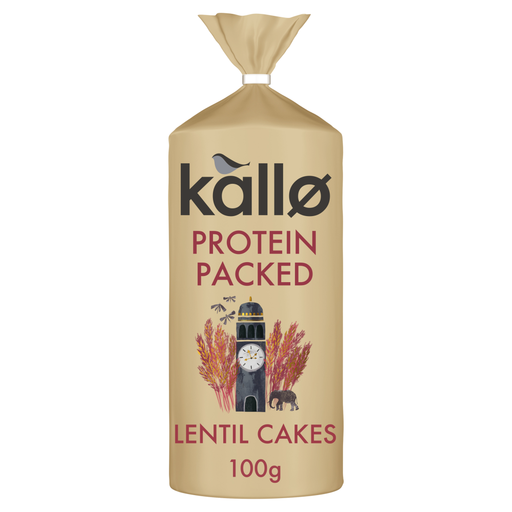
The Joybuy option below is a savoury lentil cake, not a protein bar. If you are considering it as a snack, compare its current label and your intended portion with the nutrition figures you need.
 No image available
Kallo Protein Packed Lentil Cakes 100g
This 100 g pack offers a savoury lentil-cake format rather than a chewy protein bar. Before choosing it for a ride or post-ride snack, check the current label’s carbohydrate, protein and fat figures for the portion you would eat.
View on Joybuy
Frequently asked questions
Can a reduced-fat protein bar replace fuel on a long ride?
Do not assume it can serve as your main fuel: British Cycling advises regular carbohydrate intake during longer rides. Check the bar’s carbohydrate per portion and try it within your food-and-drink plan on training rides before relying on it at an event.
What does ‘low fat’ mean on a solid food in the UK?
The legislation.gov.uk annex sets a limit of no more than 3 g fat per 100 g for a solid food making a ‘low fat’ claim. High-protein, low-sugar and reduced-fat wording do not, by themselves, tell you that a protein bar meets that limit; read the fat figure for the exact product.
Is a high-protein, low-sugar bar necessarily low in fat?
No. PhD’s nutrition panel for its Chocolate Brownie Smart Protein Bar lists 14 g fat per 100 g, despite the range’s high-protein and low-sugar positioning. Compare both fat per 100 g and fat per bar for the flavour you are buying.
How should I try a bar before a cycling event?
Try the exact bar during ordinary training rides, using the amount and timing you expect on event day. British Cycling advises finding out in training which foods agree with you on the bike.
Which allergen information should I check?
Read the ingredients and allergen information on the exact pack, especially when changing flavour or formulation. GOV.UK guidance says food businesses must tell customers when listed allergens are used as ingredients; do not rely on another variant’s label.


