Shoppers adding protein separately
A plain rice cake can be a base for a protein-containing topping or side. Sainsbury's and Tesco each list 0.6g protein per cake, while Asda lists 0.7g, so the cake alone makes a small contribution.


Choose a plain rice cake as a lower-fat base if you will add a separate protein food: Sainsbury's and Asda list 2.4g and 2.9g fat per 100g, but just 0.6g and 0.7g protein per cake respectively. If protein from the cake itself matters more, Marks & Spencer lists 2.4g per cake for its Barbecue High Protein Rice Cakes, alongside 16.2g fat per 100g. Compare protein and fat on the same basis, then check the current pack.
A plain rice cake can be a base for a protein-containing topping or side. Sainsbury's and Tesco each list 0.6g protein per cake, while Asda lists 0.7g, so the cake alone makes a small contribution.
If the snack itself needs to provide more protein, compare the stated amount per cake. Marks & Spencer lists 2.4g protein per 9.5g Barbecue High Protein Rice Cake, but also 16.2g fat per 100g.
Check the exact pack rather than relying on a recipe description. Sainsbury's says its rice cakes are prepared to a vegan recipe but are not suitable for customers with a milk allergy because of manufacturing methods; Tesco and Asda list precautionary allergen warnings for their respective products.
Choose when: Keeping fat down matters more than getting protein from the cake itself.
Trade-off: The plain supermarket cakes listed by Sainsbury's, Tesco and Asda provide only 0.6–0.7g protein per cake.
Choose when: Protein supplied by the snack takes priority over choosing a lower-fat plain cake.
Trade-off: Marks & Spencer lists 16.2g fat per 100g for its Barbecue High Protein Rice Cakes, compared with 2.4–2.9g for the cited plain Sainsbury's, Kallo and Asda products.
| Priority | What to check | Your needs |
|---|---|---|
| Protein per cake | Read protein per cake or stated serving as well as per 100g. Check the serving weight when comparing different products. | I want to know what the portion I will eat contributes, not just what a full 100g would provide. |
| Fat and protein together | Compare both figures per 100g for a consistent basis, then look at the stated portion. Marks & Spencer lists 24.8g protein and 16.2g fat per 100g for its Barbecue High Protein Rice Cakes. | If keeping fat down comes first, I can use a plain cake with a separate protein food; if protein from the cake comes first, I need to weigh up its fat content too. |
| Ingredients and allergens | Read the current ingredients, allergen statement and any precautionary warning for the exact product. A vegan recipe does not settle milk-allergy suitability. | I need the particular pack to fit my dietary requirements, rather than relying on a broad recipe description. |
| Flavour, sugar and salt | Compare sugar and salt per stated portion when choosing flavoured cakes. Snack a Jacks lists 0.26g salt per Jumbo Salt & Vinegar cake and 0.07g per Jumbo Caramel cake; these are flavour-specific figures. | A flavour may appeal to me, but I still want to compare its portion label with the plain options. |
Sainsbury's, Tesco and Asda list around 8g protein per 100g for their cited plain cakes, but only 0.6–0.7g per cake.
Check the amount in the portion you plan to eat. If you choose a plain cake for its lower fat figure, plan any additional protein food separately.
Marks & Spencer lists 24.8g protein and 16.2g fat per 100g for its Barbecue High Protein Rice Cakes. The cited plain Sainsbury's, Kallo and Asda cakes list 2.4–2.9g fat per 100g.
Put the protein and fat figures side by side on the same per-100g basis before deciding which matters more to you.
A vegan recipe can still carry an allergy-related restriction, and flavoured cakes have different sugar and salt figures by variant.
Read the current ingredients and allergen statement for the exact pack. For flavoured cakes, compare sugar and salt per stated portion too.
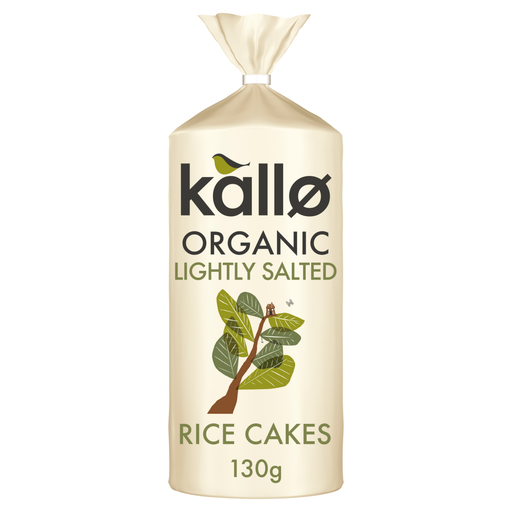
Kallo's Lightly Salted Wholegrain Rice Cakes offer a plain option to compare when fat per 100g is a priority.
Its Barbecue High Protein Rice Cakes illustrate the protein-first option in this comparison.
Tesco Lightly Salted Rice Cakes provide another plain product for portion-by-portion comparison.
Its 135g Rice Cakes are a plain option for shoppers comparing fat and protein at the eaten portion.
Asda Slightly Salted Rice Cakes provide a plain choice with stated figures per cake.
Its Jumbo flavours are useful examples when comparing flavoured cakes by portion.
These options include plain and flavoured rice cakes, plus a lentil cake for shoppers comparing a different type of snack. Use the current pack figures to judge protein and fat; the lentil cake is not the same product as a rice cake.
 No image available
A lentil-cake alternative if you want to compare protein supplied by the snack itself. Check protein and fat per portion on the current pack rather than treating the product name as a nutrition comparison with rice cakes.
 No image available
A plain rice cake to consider as a base for a separate protein-containing topping. Check this organic variant's own protein and fat figures, portion size and allergen statement; figures for other Kallo rice cakes should not be substituted for it.
 No image available
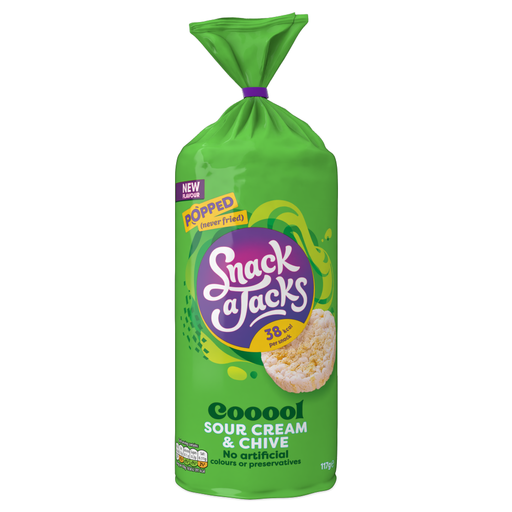
A savoury flavoured option. Compare its own protein and fat figures with plain cakes, and check salt per portion and the allergen statement for this flavour.
 No image available
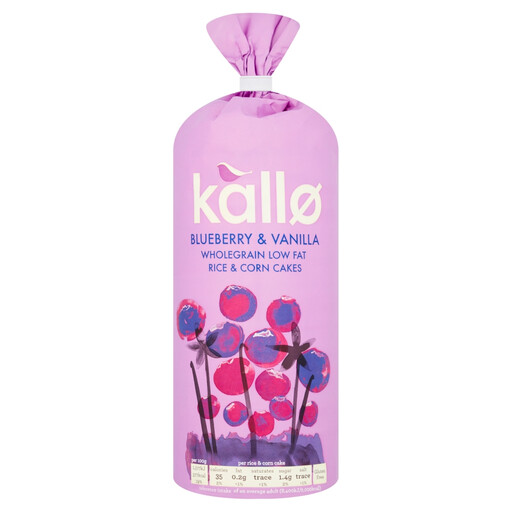
A sweet-flavoured rice and corn cake. If protein and fat guide your choice, compare both on its current label and read the sugar figure for the portion you intend to eat.
 No image available
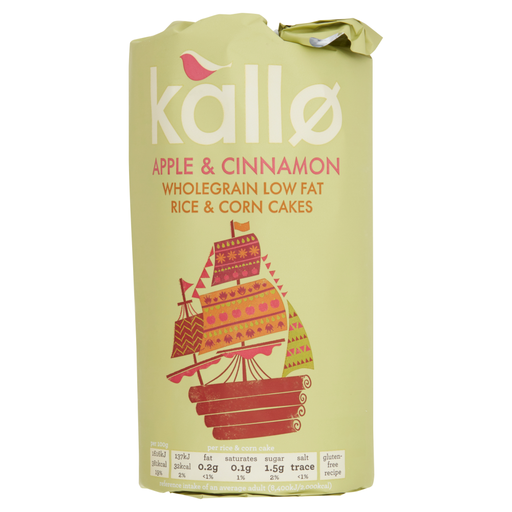
An apple-and-cinnamon flavoured rice cake. Check its protein and fat alongside sugar per portion, rather than assuming that a flavoured cake serves the same purpose as a plain base.
No. Sainsbury's and Tesco each list 0.6g protein per cake for their cited plain products, and Asda lists 0.7g. If you want more protein in the snack or meal, consider what you will eat with the cake and check the resulting portion.
They offer more protein per cake than the cited plain products, but they are not the lower-fat choice in this comparison. Ocado lists 2.4g protein per 9.5g cake, while Marks & Spencer lists 16.2g fat per 100g; the cited plain Sainsbury's, Kallo and Asda products list 2.4–2.9g fat per 100g.
No. Sainsbury's says its rice cakes are prepared to a vegan recipe but are not suitable for customers with a milk allergy because of manufacturing methods. Read the current allergen statement for the exact product.
Per-100g figures let you compare products on the same weight basis, while per-cake figures show the amount in one stated portion. For example, Tesco lists 8.8g protein per 100g for its Lightly Salted Rice Cakes but 0.6g per cake.