What should you check?
Start with the role the cake will play in lunch: a protein-focused snack, or a plain base served with a separate protein food. Then compare labels using the portion that will actually be eaten.
| Priority | What to check | Your needs |
|---|
| Protein |
Read protein per cake or serving on the current pack. Sainsbury’s lists 0.6g per plain rice cake; Tesco describes Kallo Protein Lentil Cakes as a protein source, while M&S describes its Barbecue Rice Cakes as high-protein. |
If I am buying the cake for its protein, I want to compare the stated serving sizes—not assume that every rice cake makes the same contribution. |
| Lunch composition |
Decide whether the cake is a base or a snack, then consider the other foods in the lunch. Bedfordshire, Luton and Milton Keynes Integrated Care Board’s guidance suggests starchy food, a protein food, fruit and vegetables in a packed lunch. |
A portable cake works for us, but I still need to decide what else to pack with it. |
| Salt and portion |
Compare salt for the portion being packed, not just per 100g. Snack a Jacks lists 0.63g salt per 23g Salt & Vinegar pack; check the weight and nutrition panel of the pack you buy. |
For a flavoured snack, I want to know what one pack contributes to lunch. |
| Ingredients and allergens |
Read the current ingredients, allergen declaration and any ‘may contain’ wording. The Food Standards Agency explains that precautionary wording can indicate unintended allergen presence; Tesco warns that product information may change. |
If a child has an allergy, I need to assess the exact product and toppings, as well as any school-specific restrictions. |
Joybuy product options
These options include a protein-focused lentil cake and three different snack-bar or flapjack formats. The bars and flapjack are alternatives for a lunchbox, not rice cakes; check their ingredients and any school rules before packing them.
 No image available
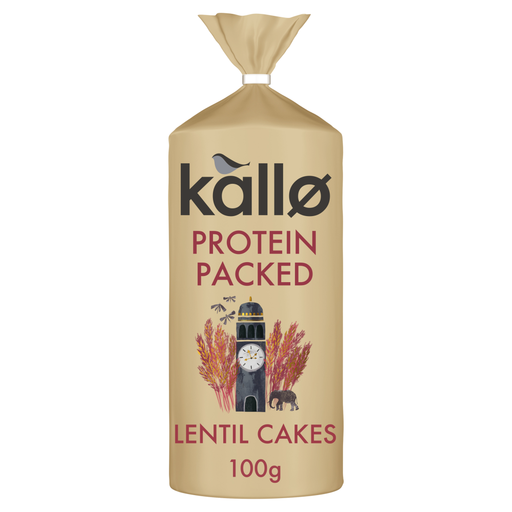
Kallo Protein Packed Lentil Cakes 100g
A protein-focused lentil-cake option for a lunchbox rather than a conventional rice cake. Check the current pack for protein per cake and allergen wording.
 No image available
Nakd Peanut Delight 4 x 35g
A peanut snack bar, not a rice cake. Check its full allergen statement and any school rules about nuts before putting it in a lunchbox.
 No image available
Trek Salted Caramel Protein Flapjacks 3 x 50g
A flapjack-format snack rather than a rice cake. Compare protein, salt and sugar for one 50g bar, and read the current allergen statement.
 No image available
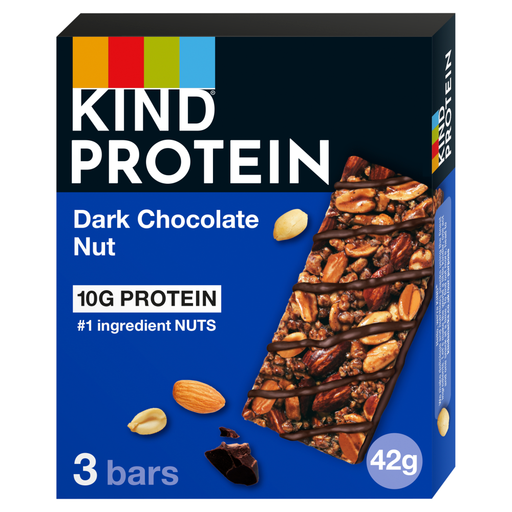
KIND Protein Dark Chocolate Nut Bars 3 x 42g
A nut-bar option, not a rice cake. Check its ingredients and allergen statement, particularly if nuts are restricted where the lunch will be eaten.
Questions about rice cakes and lunchboxes
Are ordinary rice cakes high in protein?
Do not assume that they are. Sainsbury’s lists 0.6g protein per plain rice cake; if protein is the reason for buying, compare the current pack’s amount per serving or serve the cakes with a separate protein food.
How do I compare a protein rice cake with a lentil cake?
Compare protein for the portion you intend to serve, as well as ingredients and allergens. M&S describes its Barbecue Rice Cakes as high-protein, while Tesco lists Kallo Protein Lentil Cakes as a protein source; the latter are lentil-and-buckwheat cakes rather than conventional rice cakes.
Can a protein-focused cake make up the whole lunch?
Plan the rest of the lunch as well. Bedfordshire, Luton and Milton Keynes Integrated Care Board’s packed-lunch guidance suggests including starchy food, a protein food, fruit and vegetables; a cake or snack is only one part of that selection.
What allergen information should I check?
Read the exact pack’s ingredients, allergen declaration and any precautionary wording such as ‘may contain’, then check any school-specific rules. The Food Standards Agency explains that precautionary wording can signal possible unintended allergen presence, and retailer information may change when recipes do.
Does an individual flavoured pack tell me enough about the portion?
No: check the pack weight and its nutrition panel together. For example, Snack a Jacks lists 0.63g salt per 23g Salt & Vinegar pack; do not apply that figure to a different pack size without reading its own label.


