
24/7 Customer Support

Free returns

Same-day & Next-day Delivery

Quality Guaranteed

Unlock Your Welcome Offers: FREE Delivery | Up to 80% OFF | Free 30-day JoyPlus trial
Download the APP
Choosing sanitary pads is not simply a matter of picking the largest pack or the thinnest design. Flow, body shape, underwear fit, skin sensitivity and intended use all affect whether a product feels secure and comfortable. UK shoppers can also find it difficult to compare terms such as “normal”, “long”, “night” and “heavy flow”, as these descriptions are not always presented in the same way between brands.
This guide explains the practical features to check before buying period pads, sanitary towels or reusable alternatives, followed by our top recommendations for different needs.
Ultra thin sanitary pads can feel discreet under clothing, but thickness alone does not tell you how much fluid a pad can hold. The absorbent core, pad length and construction are more useful indicators. A normal flow pad may be suitable for daytime use, while a longer or larger night pad is designed to provide more coverage when lying down.
A large pack may appear economical, but buying 104 normal-flow pads is less useful if your priority is overnight or heavy flow protection. Compare the cost per pad, size and intended use rather than relying only on the total quantity.
Organic cotton tampons, bamboo pads and other eco-friendly period products may appeal to shoppers seeking different materials. However, check the complete product information, including the absorbent core, backing, packaging, disposal instructions and certifications. “Bamboo” or “cotton” on the front of a pack does not necessarily mean every component is made from that material.
Match the product to your actual flow rather than selecting the highest size automatically.
Size numbering differs between ranges, so read the product description and measurements where available. For example, a 150mm panty liner is designed for light discharge or spotting, not the same purpose as a full menstrual pad.
Pads with wings fold around the sides of underwear and can help reduce shifting and side leakage. They are particularly useful for people who move frequently, commute, exercise or change sleeping positions. Make sure the pad is positioned centrally on clean, dry underwear and press the wings firmly underneath.
A pad that is too narrow may move during wear, while one that is too long or wide for your underwear may curl at the edges. If leakage occurs despite suitable absorbency, the problem may be fit or positioning rather than capacity.
Review the packaging for the topsheet, absorbent core, adhesives and fragrance information. Some options use a soft surface layer, while others focus on cotton, bamboo or plant-based components. If you have previously experienced itching, redness or discomfort, consider an unscented option and stop using any product that causes irritation.
Disposable products should be stored in a cool, dry place and disposed of in household waste. Do not flush sanitary pads, panty liners or period pants down the toilet, as they can contribute to blockages.
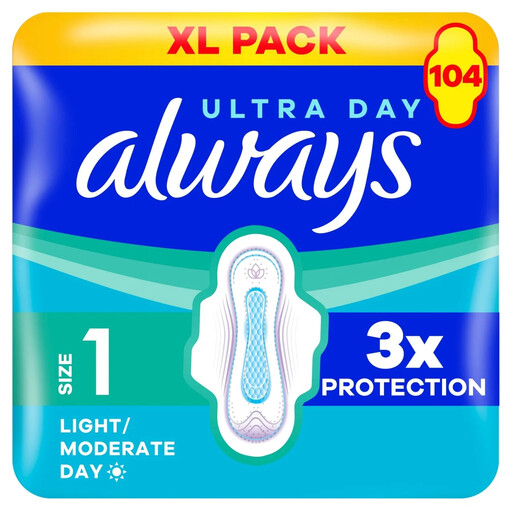
Why This Fits Their Persona: A large pack of standard Size 1 pads suits shoppers building an everyday supply for normal daytime flow, including students and households managing regular monthly costs.
The pack quantity is clear, making it easier to compare the cost per pad instead of judging value from promotional wording alone.
Standard Size 1 format; ultra-thin construction; 104 individual pads for regular daytime use.
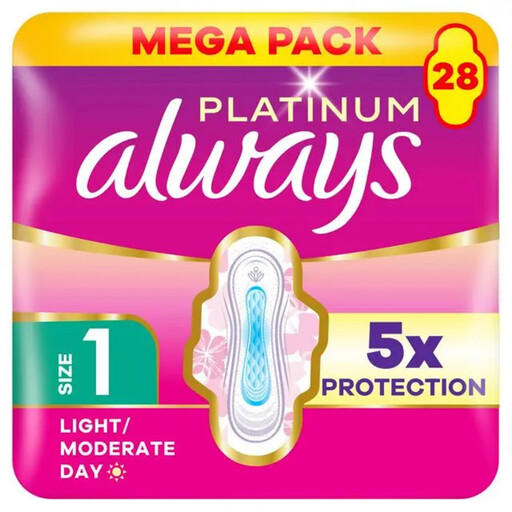
Why This Fits Their Persona: This option is suited to shoppers who prioritise a soft surface, a winged fit and a compact pack for normal-flow days at work, university or while travelling.
The stated Size 1 specification and 28-pad quantity help set realistic expectations for daytime, normal-flow use rather than overnight coverage.
Soft surface; adhesive wings; breathable ultra-thin design; 28 individually supplied pads.
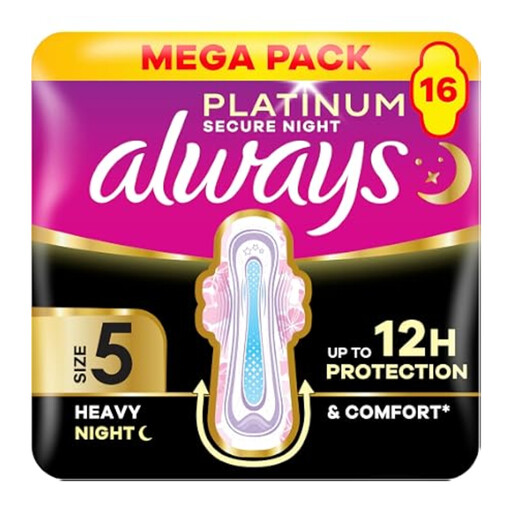
Why This Fits Their Persona: Designed for shoppers who need extra coverage during sleep or heavier-flow nights, particularly those concerned about back leakage when changing position.
The product is labelled Size 5 night protection, so it is more clearly matched to extended coverage than a standard daytime pad.
Extra-large night format; wings; stated larger back area; 16-pad pack.
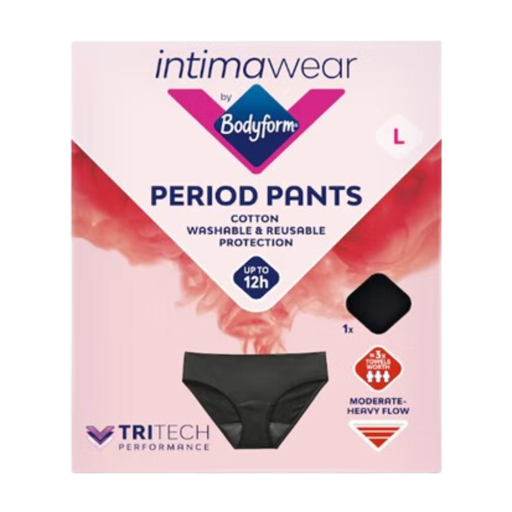
Why This Fits Their Persona: Reusable period pants suit shoppers who are prepared to rinse, wash and dry a garment between uses, and who want an alternative to fully disposable menstrual pads for light to moderate flow.
The care instructions are specific: rinse in cold water, machine wash at 40°C, avoid fabric softener and air dry where possible.
Washable underwear format; size L; designed for light to moderate flow; reusable for over 50 washes according to the product information.
We have compiled a complete, real-time list of products that fully satisfy these strict selection criteria and UK safety regulations.
Disposable sanitary towels are convenient for work, travel and situations where washing facilities are limited. Reusable period pants can reduce the number of disposable products used, but they require an adequate rotation of pairs, careful washing and enough drying time.
For shoppers comparing bamboo pads, cotton-topped pads and conventional designs, check the full materials list rather than relying on front-of-pack language. If considering organic cotton tampons, read the absorbency guidance and follow the supplied instructions. Tampons should be changed within the stated time range, generally every 4–8 hours depending on the product guidance, and should not be worn longer than advised.
Panty liners are intended for light discharge or spotting and are not a substitute for a menstrual pad when flow is moderate or heavy.
Change a pad regularly according to your flow and the instructions on the packaging. A pad should be replaced sooner if it feels wet, full or uncomfortable. Regular changes can support day-to-day hygiene, but no single replacement interval suits everyone.
They can be, especially when extra length or back coverage is useful. However, night pads may feel larger than normal flow sanitary pads under fitted clothing. For daytime use, choose a length and absorbency that match your flow and underwear.
They may reduce ongoing purchases of disposable products, but the total cost depends on the number of pairs purchased, how often they are washed and how long they remain usable. Include water, detergent and drying requirements in your comparison, and follow the care instructions to protect absorbency.