
24/7 Customer Support

Free returns

Same-day & Next-day Delivery

Quality Guaranteed

Unlock Your Welcome Offers: FREE Delivery | Up to 80% OFF | Free 30-day JoyPlus trial
Download the APP
Buying seeds, grains and pulses online can make it easier to stock up on cupboard staples, whole spices and plant-based snacks. However, attractive packaging and broad health-focused wording do not always tell you whether a product suits your kitchen.
A small bag of chia seeds may be ideal for breakfast but poor value for batch baking. A large sack of lentils may look economical but become stale if you only cook occasionally. Meanwhile, some snacks labelled as seeds or pulses can contain added salt, sugar, flour or seasoning.
This guide explains what to check before you buy, with practical recommendations for UK home cooks, vegetarians, vegans, bakers, meal-preppers and fans of Indian and Asian ingredients.
Not every product in this category can be eaten straight from the packet. Dried coix seed, mung beans and lentils require thorough cooking, while chia seeds should be consumed with sufficient liquid or soaked first.
Always check the preparation instructions. A raw grain or pulse may need sorting, rinsing, soaking and simmering. By contrast, roasted edamame, fox nuts, walnuts and roasted sunflower seeds are generally intended for direct consumption, subject to the packaging instructions.
Bigger packs can reduce the cost per gram, but they are not automatically better value. Oils in nuts and seeds can develop stale flavours if exposed to heat, light or air. Whole spices also gradually lose aroma after opening.
Choose pack size according to your usage. A 20g or 40g pack of coriander or caraway seeds may be sensible for occasional recipes, whereas a 500g bag of red split lentils suits regular curry, soup and batch-cooking households.
Single-ingredient products are straightforward, but seasoned snacks can contain wheat, soya, mustard or sesame. Check the full allergen statement rather than relying on terms such as “natural”, “vegan” or “healthy”.
For example, wasabi peas contain wheat and soya, while walnuts are tree nuts. A flavoured sunflower seed product may also contain salt, spices and sweeteners. If you have an allergy or follow a restricted diet, read the current pack label before ordering.
For everyday cooking, look for a clear ingredient list, such as 100% red split lentils, 100% green mung beans or 100% whole chia seeds. For whole spices, confirm whether you are buying seeds rather than ground spice. Whole coriander, mustard, nigella, fenugreek and caraway seeds usually need dry-roasting, tempering or grinding as part of a recipe.
Cooking instructions should be practical and specific. Green mung beans, for instance, may require several hours of soaking followed by simmering until tender. Coix seed should be washed, soaked and fully cooked because it is supplied as a raw grain.
Compare the net quantity, not just the front-of-pack appearance. Consider how often you will use the ingredient and whether you have a cool, dry cupboard or airtight storage available.
After opening:
Nutrition tables are normally provided per 100g, which helps comparison but may not reflect a typical serving. Nuts and seeds can be energy-dense, while seasoned snacks may contain more salt than an unseasoned ingredient.
Use these figures to compare products objectively, but do not treat packaging nutrition claims as medical advice. A varied, balanced diet remains more relevant than adding one fashionable ingredient to every meal.
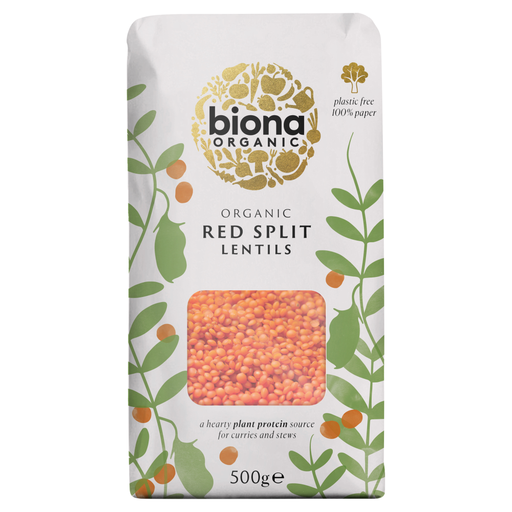
Why This Fits Their Persona: A 500g pack gives regular cooks a versatile base for soups, dals, curries and stews without requiring specialist preparation equipment.
The ingredient list identifies certified organic red split lentils only, with no seasoning or unnecessary recipe additions.
500g net quantity; listed as providing 24g protein and 11g fibre per 100g. Store in a cool, dry place.
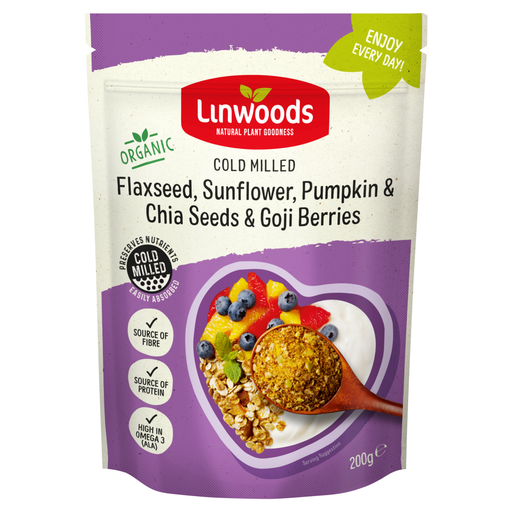
Why This Fits Their Persona: Convenient for shoppers who want a ready-to-use flaxseed blend for porridge, yoghurt, smoothies and baking.
The pack specifies the blend composition, including 46% flaxseed, sunflower seeds, pumpkin seeds, chia seeds and goji berries.
Provides a 20g serving reference; refrigeration is advised after opening and the product should be used within 45 days.
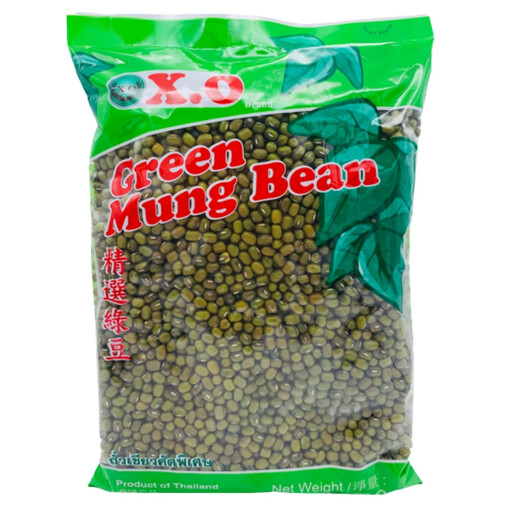
Why This Fits Their Persona: Suitable for cooks preparing Asian desserts, mung bean soup, rice dishes, salads or plant-based meal components in larger quantities.
The instructions clearly state to sort, rinse, soak for four to six hours or overnight and cook fully before eating.
454g pack; single ingredient; suitable for sweet and savoury recipes; listed cooking time is approximately 30–45 minutes after soaking.

Why This Fits Their Persona: A ready-to-eat option for work, travel, lunchboxes or topping noodle bowls when cooking time is limited.
It is clearly described as dry roasted and ready to eat, rather than a raw pulse requiring soaking and boiling.
100g pack; ingredients are soya beans and salt; listed nutritional information includes 45g protein per 100g. Contains soya.
We have compiled a complete, real-time list of products that fully satisfy these strict selection criteria and UK safety regulations.
Yes, provided you check the product listing and packaging for the ingredient list, allergens, net quantity, storage guidance, best-before date and preparation instructions. Choose products supplied with clear UK responsible-person or manufacturer details where provided, and inspect packaging for damage when delivered.
Some do and some do not. Raw lentils, mung beans and coix seed need to be washed and thoroughly cooked. Chia seeds should be soaked or eaten with adequate liquid. Roasted edamame, walnuts and ready-to-eat roasted snacks can usually be consumed directly, but always follow the individual label.
Shelf life depends on the product, packaging and storage conditions. Keep dry ingredients sealed in a cool, dry cupboard. For products containing ground or mixed seeds, follow any refrigeration instruction. Nuts and oily seeds are more vulnerable to stale flavours, so buy a pack size you can use within the stated guidance and discard anything with an unusual smell, taste or appearance.