
24/7 全天候客户支持

免费退货

当日/次日达

品质保障

开启新人专享福利: 全场免邮 | 低至 2 折 | 免费试用 30 天 JoyPlus 会员
下载 Joybuy
Choosing serving trays and platters is rarely just a question of appearance. The wrong size can leave food crowded, a weak tray may be difficult to carry, and an unsuitable material can create extra cleaning or storage work. Whether you are hosting a family gathering, preparing a buffet, organising catering or portioning meals, a few practical checks can prevent wasted spending.
A large-looking platter may have a shallow rim and limited usable space. Check the actual dimensions and depth before buying, particularly for roast dishes, saucy food and layered bakes. A 17-inch platter offers a different serving format from a compact 14-inch option, even if both are described as suitable for parties.
Some aluminium foil trays are intended only for serving, while others are designed for cooking or reheating. Look for clear oven-use information rather than assuming that all foil is suitable for high temperatures. Even with ovenable foil trays with lids, lids should generally be removed before heating unless the product instructions state otherwise.
For stability, place filled foil trays on a baking sheet when moving them into or out of the oven. Avoid open flames and direct contact with heating elements.
Disposable food trays can reduce washing up, but pack quantity and recycling instructions affect their overall value. A recyclable serving tray is not automatically accepted by every local authority. Remove food residue where required and check your council’s guidance for aluminium foil trays.
Wooden serving trays and acacia serving dishes can be reused, but they usually require hand washing and prompt drying. Porcelain snack trays may be dishwasher suitable, although they need more cupboard space and care when being transported.
Measure the table, fridge shelf or catering box where the tray will be used. Rectangular platters are useful for sandwiches, pastries and buffet lines, while square aluminium foil trays suit pasta bakes, casseroles and portioned meals.
Depth matters when serving food with sauces or when transporting filled trays. Raised edges and a secure lid can help reduce spills, but heavy food still needs support underneath during carrying.
Divided trays are useful for children’s meals, portion planning, snacks and foods with different flavours. A five-section stainless steel tray gives more separation than a three-section acacia serving dish or a four-section porcelain snack tray.
For events, compare the number of pieces with the number of guests. A two-pack may suit a family meal or small gathering, while a 50-piece pack of disposable foil plates may be more practical for a large outdoor event.
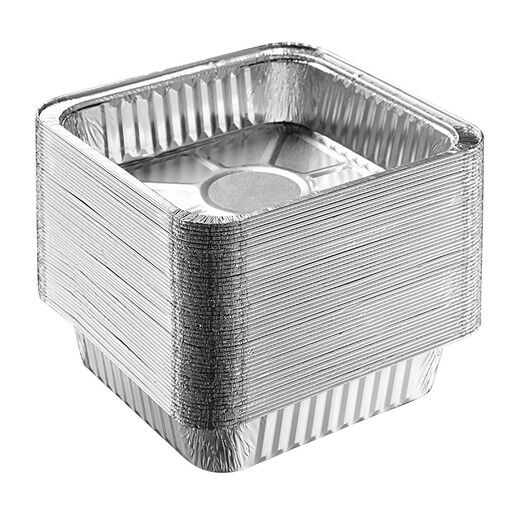
Why This Fits Their Persona: A 50-piece pack suits first-time hosts, children’s parties, picnics and casual gatherings where quick serving and minimal washing up are priorities.
The stated 7-inch square format makes portion planning clearer than buying an unspecified tray size. Use according to the supplied heat and handling warnings.
Food-grade aluminium foil; 50 plates supplied; lightweight square design for snacks and individual servings.
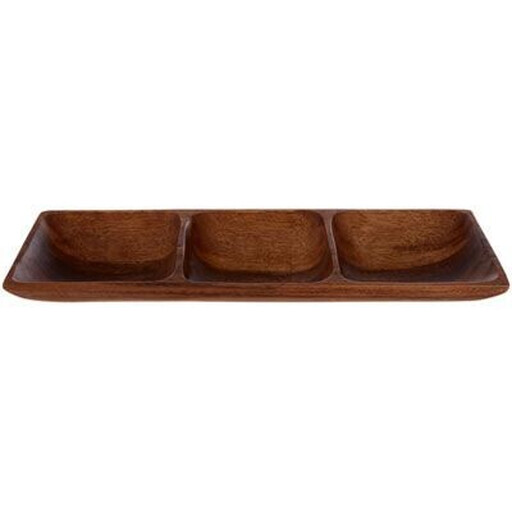
Why This Fits Their Persona: This acacia serving dish is suited to hosts who want reusable tableware for nibbles, dips, cheese, olives and other dry or chilled foods.
Its three defined sections address food mixing, while the care instructions make clear that it is not intended for direct heat or prolonged moisture.
Solid acacia wood; three compartments with raised edges; rectangular format for organised snack presentation.
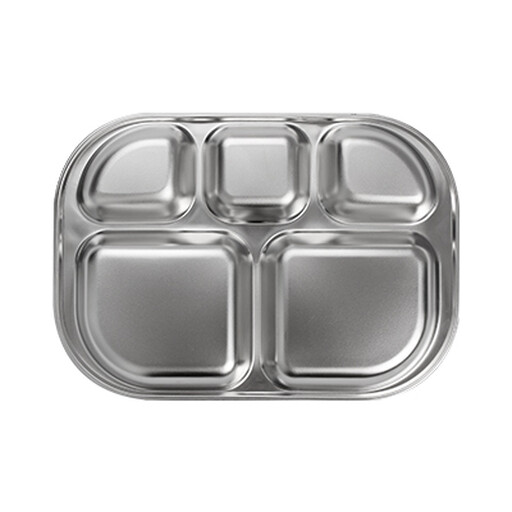
Why This Fits Their Persona: Families, campers, meal-prep users and anyone serving separate portions may prefer a single reusable tray over multiple dishes.
The five sections are clearly specified, so buyers can judge separation before ordering rather than relying on lifestyle imagery.
304 stainless steel; five independent compartments; dishwasher-safe design according to the product information.
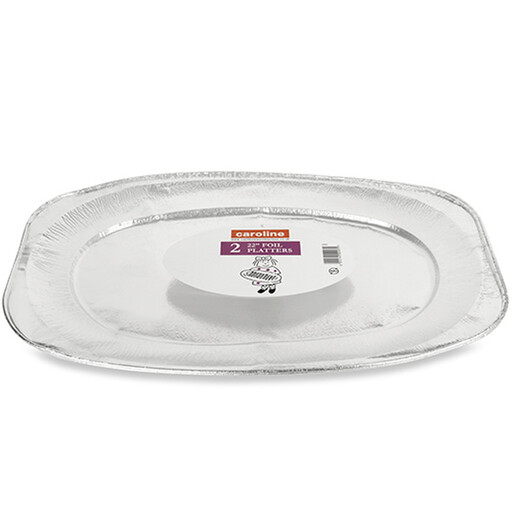
Why This Fits Their Persona: Caterers, community-event organisers and hosts serving larger groups can use the broad format for buffet displays and substantial dishes.
The stated 22-inch dimensions make the required table and transport space easier to assess. Support the platter underneath when carrying heavier food.
Pack of two; 550 x 362 x 28mm dimensions; lightweight recyclable aluminium foil construction.
For a smaller gathering, the Caroline 14-inch foil platter, supplied as a pack of two, measures 348 x 248 x 26mm and can suit sandwiches, pastries, fruit or buffet items. For cooked dishes that need transport or storage, the Caroline square foil tray with lid provides a 239 x 239mm format and a matching cover. Check the listing details carefully where capacity information differs, and use a baking sheet for stability.
A 60oz square foil tray measuring 227 x 227 x 38mm is another option for deeper dishes and portioned catering. For a reusable presentation piece, the white-washed paulownia wooden tray measures 28 x 28 x 3cm; keep it away from heat and wipe it clean rather than soaking it.
We have compiled a complete, real-time list of products that fully satisfy these strict selection criteria and UK safety regulations.
Some foil serving platters are described as reusable, but suitability depends on their condition, cleaning method and the food served. Do not reuse a tray if it is badly bent, punctured or heavily scratched. Recycle aluminium only where local facilities accept it.
Follow the product instructions. A filled foil tray should normally be placed on a rigid baking sheet to improve stability when handling. Remove lids before cooking unless the manufacturer specifically confirms they are oven suitable, and never place foil trays on an open flame.
Stainless steel trays and dishwasher-safe porcelain snack trays can simplify routine cleaning. Wooden trays usually need gentle hand washing and immediate drying. Foil trays can reduce washing up, but disposal and recycling requirements vary across the UK.