
24/7 Customer Support

Free returns

Same-day & Next-day Delivery

Quality Guaranteed

Unlock Your Welcome Offers: FREE Delivery | Up to 80% OFF | Free 30-day JoyPlus trial
Download the APP
As evenings get warmer, our gardens, patios and balconies become extensions of our living spaces. Creating the right atmosphere is key, but dealing with complex wiring and rising electricity costs can be a significant drawback. Solar wall art offers a simple and elegant solution, combining decorative appeal with cost-effective, ambient lighting.
These pieces charge by day and cast a gentle glow by night, transforming a plain wall or fence into a captivating feature. This guide is designed to help you navigate the options and find the right piece to illuminate your outdoor space, without the marketing hype.
Choosing the right outdoor decorative solar lights involves more than just picking a pretty design. To ensure your purchase is a lasting addition to your garden, consider these practical points.
The UK's climate demands robust materials. Look for metal wall art with lights made from steel or other durable metals, often with a powder-coated finish. This provides protection against rust and corrosion, ensuring the piece maintains its appearance through rain and shine. The construction should feel solid and capable of withstanding windy conditions once securely mounted.
The style of your solar art sets the mood. Intricate patterns, like those found in Moroccan garden lights, cast complex and beautiful shadows, creating an exotic and relaxing atmosphere. Nature-inspired designs, such as hummingbird solar lights, can add a touch of whimsical charm and a connection to the natural world. Consider the existing style of your garden and what kind of feeling you want to evoke in your outdoor sanctuary.
The performance of solar garden wall lights depends entirely on their ability to absorb sunlight. When choosing a location, aim for a spot that receives at least 6-8 hours of direct sunlight per day, typically a south-facing wall. Ensure the panel is not obstructed by overhanging branches, gutters or other structures. Regular cleaning of the small solar panel with a soft cloth will also help maintain its charging efficiency, especially after dusty or rainy periods.
We've looked at the market to identify some standout options that balance design, durability and function.
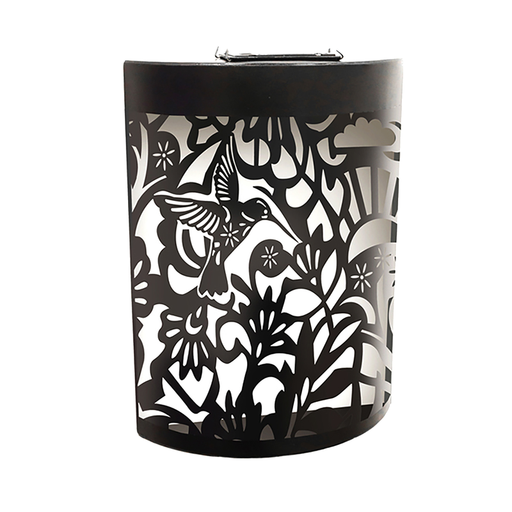
Why It Stands Out: This panel's compact and curved design makes it a versatile choice. The charming hummingbird motif is brought to life by the solar-powered LED, creating a delightful focal point without overwhelming the space.
Pros:
Who is it for? Ideal for those looking to add a decorative touch to smaller walls, balconies or as part of a larger gallery wall arrangement in the garden.
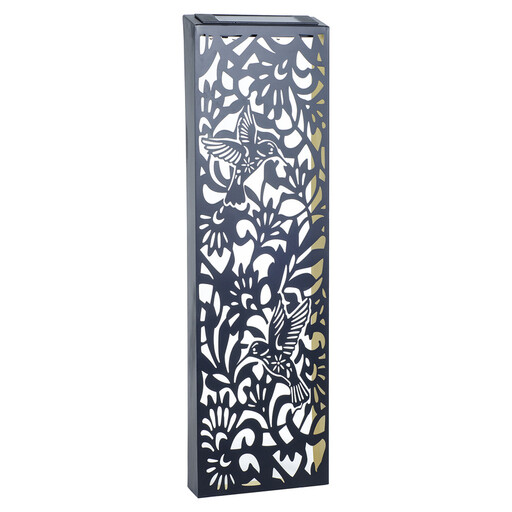
Why It Stands Out: A larger version of the hummingbird design, this flat panel makes a more significant statement. The detailed silhouette creates a striking visual during the day and a captivating light display at night, perfect for nature lovers.
Pros:
Who is it for? A great choice for anyone wanting to create a prominent, nature-themed feature on a garden wall or fence.
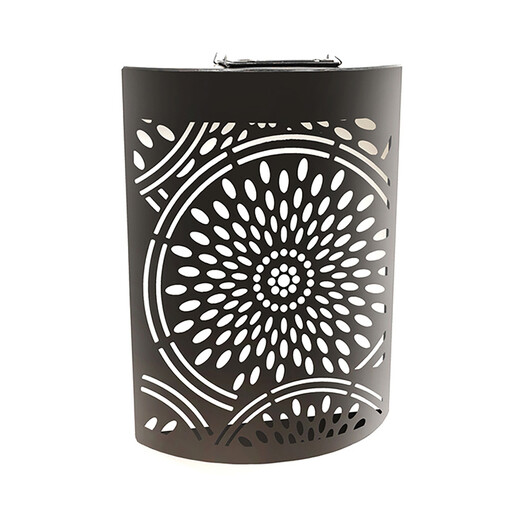
Why It Stands Out: This panel brings an exotic flair to your outdoor space. The intricate Moroccan pattern and curved form work together to cast enchanting shadows, adding depth and a sense of tranquility to your patio or garden.
Pros:
Who is it for? Perfect for those who appreciate global-inspired design and want to create a cosy, ambient retreat on a smaller wall or in a courtyard.
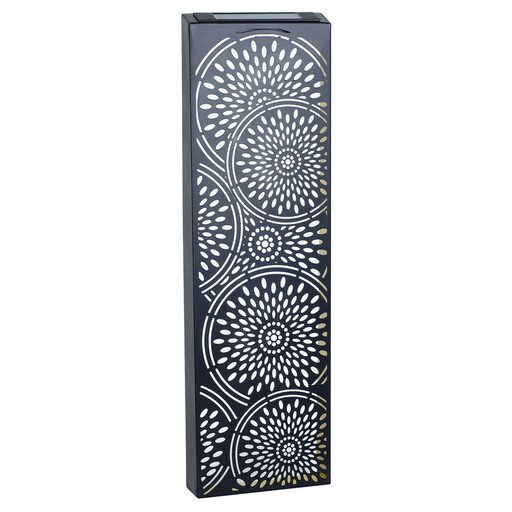
Why It Stands Out: This larger, flat wall panel makes the Moroccan pattern its central feature. It serves as a substantial piece of art during the day and transforms into a stunning light feature at night, casting beautiful, geometric shadows.
Pros:
Who is it for? An excellent statement piece for a main patio wall or garden boundary, ideal for creating a sophisticated and ambient entertaining area.
While these selections represent some popular styles, the world of solar lighting is vast. If you're looking for different shapes, sizes or motifs, there are many other options to discover.
Explore our full collection of metal solar lights to find the perfect match for your garden's personality.
Yes, they do, but their performance may be reduced. The shorter daylight hours and frequent cloud cover in winter mean the solar panel receives less energy, resulting in a shorter illumination time at night. For better year-round performance, ensure the panel is in a location that maximises any available sunlight and is kept clean.
The longevity of a solar light depends on its components. The LED bulbs themselves can last for many thousands of hours. The rechargeable battery is typically the part that wears out first, often lasting between one to three years before it may need replacing. The lifespan of the unit's body depends on the material's quality and its resistance to weathering.
Absolutely. Many solar wall art pieces are lightweight enough to be used as fence post solar lights. Just ensure your fence is sturdy enough to support the weight and that the chosen location receives adequate sunlight throughout the day. Always use the appropriate fixings for the material of your fence.