
24/7 Customer Support

Free returns

Same-day & Next-day Delivery

Quality Guaranteed

Unlock Your Welcome Offers: FREE Delivery | Up to 80% OFF | Free 30-day JoyPlus trial
Download the APP
For UK home cooks exploring the vibrant world of Asian cuisine, the quest for authentic flavour can be a challenge. Navigating the aisles for spicy Asian seasonings often feels like a gamble. You might pick up a jar labelled "authentic" only to find it delivers a flat, generic heat, or a hot pot base that's more salt and sugar than spice. Many promising products end up being a waste of money, failing to replicate the complex, layered tastes of your favourite restaurant dishes.
As the Joybuy Product Recommendation Officer, my role is to help you sidestep these common issues. Here, we'll break down the frequent pitfalls and clarify what really matters when selecting these essential Asian cooking ingredients, ensuring your next culinary adventure is a success.
To bring authentic spice to your kitchen, focus on these key parameters. They will help you choose the right product for the right dish, whether you're making a fiery hot pot or a simple spicy dipping sauce.
Not all spice is created equal. The key is to match the seasoning's character to your recipe:
The order of ingredients tells you what the product is mostly made of. For a potent hot pot base, you should see ingredients like broad bean paste (doubanjiang), soybean oil and various chillies listed near the top. If you're buying a pepper oil, the primary ingredient should be the oil infused with the specific pepper, not a generic base with minimal flavouring. Checking for a clean, focused ingredient list helps you avoid fillers and get more flavour for your money.
Using the wrong type of seasoning can lead to disappointing results. A thick, concentrated hot pot base is designed to be diluted in broth and is generally too salty and intense to be used as a dipping sauce. Conversely, a light spicy dipping sauce or finishing oil won't have the depth needed to flavour an entire pot of soup. Always check the packaging for its recommended application, whether it's for stir-frying, braising, dipping, or as a soup base.
Instead of a generic list, we've matched our recommendations to specific types of home cooks. This ensures you find a product that truly fits your needs and culinary style.

Why This Fits Their Persona: For those wanting to recreate the authentic Chinese hot pot experience at home, this base from the renowned restaurant chain is a reliable choice. It provides a complex, fragrant and spicy broth without the hassle of sourcing dozens of individual spices.
It sidesteps the "inauthentic flavour" trap by leveraging a recipe from a globally recognised hot pot specialist, ensuring a balanced and layered taste profile.
Convenient all-in-one seasoning packet. Delivers a clear, non-greasy yet intensely flavourful broth with authentic Sichuan character.
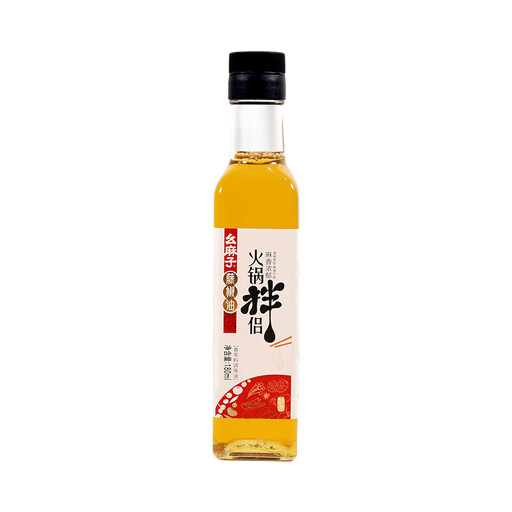
Why This Fits Their Persona: This is for the cook who wants a quick, versatile flavour boost. It's a finishing oil that can be drizzled over noodles, cold dishes, stir-fries, or used as a dip. Its unique flavour elevates simple meals instantly.
It avoids one-dimensional heat by focusing on the aromatic, numbing quality of green Sichuan pepper, blended with ginger and sesame for a nutty, complex finish rather than just spiciness.
Highly versatile for use as a finishing oil or dip. Clean ingredient list with a rapeseed oil base. Provides a fresh, non-bitter numbing taste.
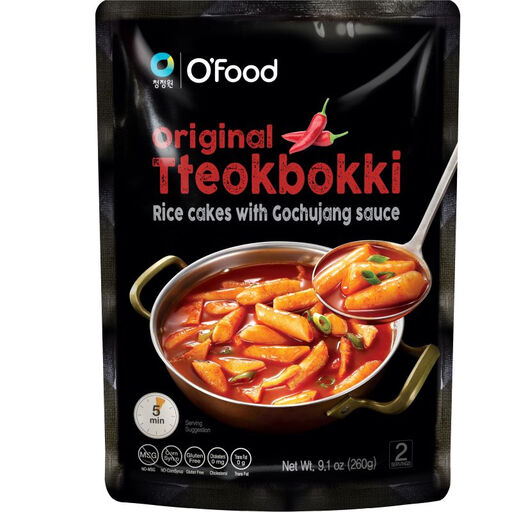
Why This Fits Their Persona: Perfect for anyone wanting to make authentic Korean street food at home. This sauce is specifically formulated for tteokbokki (spicy rice cakes), taking the guesswork out of achieving the classic sweet, savoury and spicy flavour.
It avoids the trap of using the wrong product for the job. As a purpose-built tteokbokki sauce, its consistency and flavour balance are precisely calibrated for that dish, ensuring success.
Extremely convenient and quick, allowing you to make a classic Korean dish in minutes. Delivers a consistent, authentic street-food-style flavour.
We have compiled a complete, real-time list of products that fully satisfy these strict selection criteria and UK safety regulations.
While both can be spicy, their flavour profiles are distinct. A standard chilli oil focuses on the heat and aroma of chillies infused in oil, often with garlic or other aromatics. A mala seasoning, on the other hand, must contain Szechuan pepper in addition to chillies. This is what provides the signature málà (numbing-spicy) sensation that is central to many Sichuan dishes.
Most sauces, pastes and oils benefit from being stored in the refrigerator after opening. This helps preserve their flavour and prevent spoilage. Always seal the container tightly. Dry spice blends should be kept in a cool, dark and dry place, ensuring the container is airtight to maintain their potency. Always check the packaging for specific storage instructions.
Yes, a hot pot base can be a versatile ingredient. While designed for soup, you can use a small amount to create a powerful base for a spicy noodle soup (like a quick ramen), as a marinade for meats before grilling, or to add intense flavour to a braised dish. Remember that they are very concentrated, so start with a small quantity and dilute it with water, stock, or other liquids.