For drafting a covering letter in limited train-seat space, start with a tablet and compatible keyboard that you can use in your usual typing position. Choose an iPadOS or Android setup if your document and application-portal tasks work in tablet apps; consider a Windows 2-in-1 if you need desktop software or browser tools. Check the keyboard arrangement, offline editing and final upload steps before choosing a device.
Who might use this setup?
Short-journey cover-letter writers
If you mainly draft or make light edits in a confined seat, a compact device may be easier to position than a larger screen. Apple UK lists the 11-inch Wi-Fi iPad Air at 464 g; check the compatible keyboard arrangement as well as the tablet.
Android writers who annotate drafts
If you type your letter but also mark up notes by hand, the 10.9-inch Samsung Galaxy Tab S10 FE offers an S Pen, according to Samsung UK. Confirm how you will position and use a keyboard for longer passages.
Desktop-workflow commuters
If your letter or application process needs Windows software or a desktop-style browser workflow, Microsoft describes Surface Pro as a 2-in-1 with an optional keyboard and laptop mode. Check the exact software and portal you need before choosing it.
What matters when choosing?
Decide whether you can complete the document and application in tablet apps or need a Windows workflow. Then assess typing space, offline access and the complete setup you would carry.
11-inch iPad Air with a keyboard
Consider it when: You mainly draft and revise in tablet apps and want an 11-inch device; Apple UK lists the Wi-Fi model at 464 g.
Check first: A compatible keyboard is a separate accessory, and your document apps and application portal must work for your task.
Galaxy Tab S10 FE
Consider it when: You want a 10.9-inch Android tablet and expect to annotate notes with the S Pen that Samsung UK says is supplied.
Check first: Confirm the keyboard arrangement for your chosen configuration; Samsung UK says a travel adaptor is not included.
Surface Pro
Consider it when: Your application process calls for Windows software or a laptop-style keyboard and touchpad workflow.
Check first: Microsoft describes the keyboard as optional, so confirm the configuration you need for typing.
| Concern |
What to check |
Who this matters to |
| Typing in a confined seat |
Check keyboard compatibility and whether the case or stand holds a useful typing angle where you normally sit. |
If I expect to rewrite several paragraphs, I need a physical keyboard I can position comfortably. Around 36% of consumers put that typing need first. |
| Offline work and power |
Test offline editing and local saving; check charging facilities on your usual service rather than assuming they are available. |
When a connection drops, I still need to keep working and preserve my draft. For around 29% of consumers, that resilience is the primary concern. |
| Document and portal compatibility |
Check the required file format, app features, browser tools and attachment-upload steps. |
If an application portal or document feature needs desktop software, I cannot rely on a tablet app alone. That workflow comes first for around 21% of consumers. |
| Carry load and setup |
Compare the tablet, compatible keyboard and any charging accessories you would actually carry. |
For an occasional writing journey, I want the whole setup to remain manageable, not just the tablet itself. Around 14% of consumers make that their main concern. |
Buying mistakes to avoid
-
Assuming the tablet alone is the typing setup
A keyboard changes how you can draft and revise in a train seat, but accessory arrangements vary by device and configuration.
Confirm the exact keyboard model, whether it is supplied, its layout and how it supports the screen before choosing the tablet.
-
Counting on a socket, table or connection
Facilities can differ by service. A cloud-only draft or a nearly depleted battery could interrupt the work you planned to finish.
Save an editable copy locally, charge before leaving and check facilities on your usual route.
-
Choosing screen size without considering where you type
More screen space also changes what you carry: Apple UK lists its 11-inch Wi-Fi iPad Air at 464 g and its 13-inch Wi-Fi model at 616 g.
Choose a size around your actual seat or table position and how much of the document you need to see while editing.
-
Treating a battery claim as writing time
Microsoft’s Surface Pro figure of up to 15.5 hours refers to local video playback, not document editing with your chosen brightness, apps and connection.
Check the conditions behind any runtime claim and prepare a charging option if finishing the letter during the journey matters.
Brands to consider
Apple
The 11-inch iPad Air is a tablet-first option for writing in iPadOS apps.
- Apple UK lists the 11-inch Wi-Fi iPad Air at 464 g and specifies Magic Keyboard support.
- Check keyboard compatibility and whether your document and application-portal workflow works in iPadOS.
Samsung
The 10.9-inch Galaxy Tab S10 FE is an Android option for typing alongside pen-based notes.
- Samsung UK states that an S Pen is supplied with the Galaxy Tab S10 FE.
- Confirm the keyboard arrangement for the configuration you choose; Samsung UK says a travel adaptor is not included.
Microsoft
Surface Pro is a Windows 2-in-1 option for a covering-letter process that needs desktop software.
- Microsoft describes laptop mode with an optional keyboard and full-sized haptic touchpad.
- The typing arrangement depends on the optional keyboard; assess battery claims against their stated test conditions.
Lenovo
Idea Tab Pro is a larger-screen Android alternative with a compatible keyboard accessory.
- Lenovo describes an Idea Tab Pro keyboard with a built-in trackpad and 1.5 mm key travel.
- Consider whether its 12.7-inch screen fits the space where you usually type on a train.
Tablet options on Joybuy
These tablet options relate to compact drafting with a keyboard arrangement to check. The iPad Air offers a separate compatible-keyboard route; confirm the bundle and typing position for either TABWEE model before choosing.
 No image available
TABWEE T20 10.1-inch tablet with keyboard, mouse and stylus
Consider this bundle if you want a compact screen and a removable keyboard for drafting. The listing names 256 GB storage and a 5000 mAh battery; capacity does not establish writing time. Confirm the supplied Android version, keyboard layout and offline behaviour of your document app.
View on Joybuy
 No image available
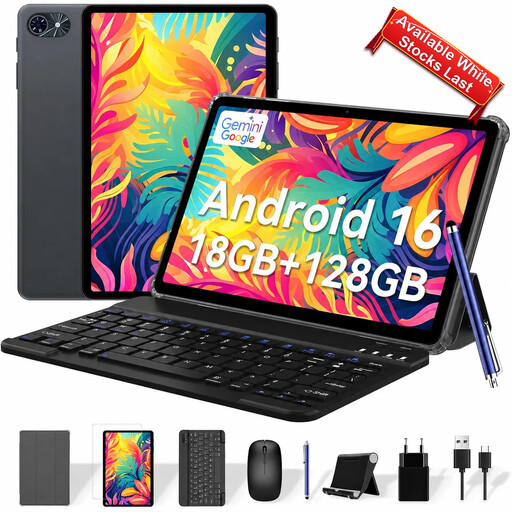
TABWEE T80 10-inch Android 16 tablet, 128 GB
Consider this compact Android tablet if its keyboard arrangement suits where you will type. Its title mentions a keyboard, but confirm inclusion and layout for the exact configuration. The listed 6000 mAh battery does not establish document-writing time; test offline editing in your chosen app.
View on Joybuy
 No image available
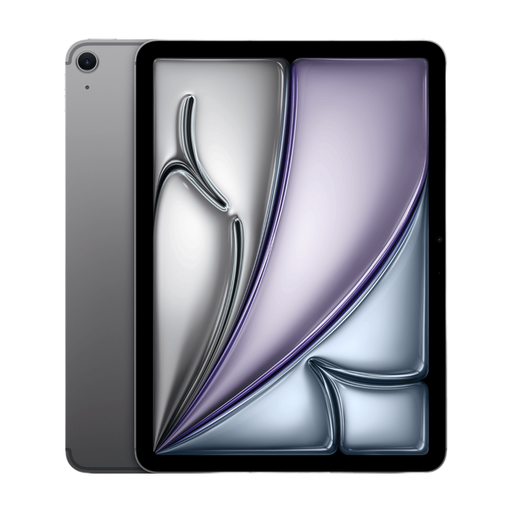
Apple 11-inch iPad Air (2026, M4), Wi-Fi, 128 GB, Space Grey
Consider this model if you want an 11-inch iPadOS writing setup and your document workflow works in tablet apps. Apple UK lists the 11-inch Wi-Fi iPad Air at 464 g. A keyboard is separate: confirm compatibility with this generation, a usable typing angle and the editing and upload steps you need.
View on Joybuy
Questions about writing on a train
What screen size works for a covering letter on a train?
An approximately 11-inch tablet is a starting point if limited seating space and carrying comfort matter most. Apple UK lists its 11-inch Wi-Fi iPad Air at 464 g and the 13-inch Wi-Fi model at 616 g; check whether you normally type on a table or on your lap before choosing a larger screen.
Do I need a physical keyboard?
A physical keyboard is worth considering if you plan to draft or substantially revise the letter during the journey. Check whether it is included, its compatibility with the exact tablet generation and whether its stand works in your usual seat position.
Can I count on train power or Wi-Fi?
Plan to write without either unless you have checked the facilities on your particular service. Save an editable copy locally, test that your app opens it offline and charge the device before travelling.
Do I need a cellular tablet to send the letter?
Not necessarily: you can draft and save offline, then upload when you have a connection. Consider a cellular configuration if uploading during the journey is important, and check the mobile service and coverage you would use.


