Quick-break black-tea drinkers
A tea bag can make a straightforward mug of regular black tea without loose-leaf equipment. Brewing instructions differ by pack, so a short break makes the stated steeping time worth checking.


Choose regular black tea bags for a familiar afternoon cup, or decaf black tea if reducing caffeine matters more. A flavoured blend offers a different taste, while a pack with stated sourcing credentials may suit another priority; in every case, check the ingredients, brewing instructions and bag count for the exact product. These are tea bags brewed in water, not coffee-machine pods.
A tea bag can make a straightforward mug of regular black tea without loose-leaf equipment. Brewing instructions differ by pack, so a short break makes the stated steeping time worth checking.
Decaffeinated black tea bags offer a way to keep a black-tea-style cup while reducing caffeine. Check the exact product label if its residual caffeine amount matters to you.
Some packs state organic or Fairtrade credentials; others describe plant-based tea bags. Compare the claim on the particular pack with its disposal instructions rather than assuming every bag can go in home compost.
Start with the type of cup you want, then check the pack-specific brewing time, ingredients and quantity. The UK Tea & Infusions Association’s Tea Census, reported in May 2025, surveyed over 1,000 Britons; the percentages below describe their stated preferences or brewing behaviour, not a ranking of reasons to buy.
Choose it when: You want a conventional black-tea cup and are content to have caffeine.
Allow for: Steeping times vary: Tesco lists 1–2 minutes for PG Tips Original, while Yorkshire Tea recommends 4–5 minutes for its mug brew.
Choose it when: You want black tea later in the day while reducing caffeine.
Allow for: Decaf does not establish zero caffeine; check the current label if a precise amount matters.
Choose it when: A distinct flavour or stated organic and Fairtrade sourcing is part of your decision.
Allow for: Check ingredients for a flavoured tea and the exact disposal wording if bag materials influence your choice.
| Priority | What to check | Your needs |
|---|---|---|
| Preparation | Choose tea bags for brewing in a mug or teapot, not capsules for a coffee machine. Compare the steeping time stated on the pack. | For a short break, I want a simple mug brew. In the UK Tea & Infusions Association’s May 2025 Tea Census of over 1,000 Britons, 93% preferred making tea with a tea bag rather than preparing loose-leaf tea. |
| Black-tea flavour | Check the blend and its own brewing instruction; do not apply one brand’s timing to every pack. Yorkshire Tea advises against squeezing the bag aggressively because it can make its brew bitter. | I want a traditional black-tea cup, with or without milk. In the same UK Tea & Infusions Association census, 71% named traditional black tea as their main infusion; separately, 73% said they brewed regular black tea for less than the association’s recommended 3–4 minutes. That brewing figure describes behaviour, not a buying preference. |
| Caffeine | Look for a decaffeinated black-tea product and read its current caffeine or decaffeination statement if an exact amount matters. | For a later-day cup, I would rather reduce caffeine than choose a conventional caffeinated black tea. |
| Ingredients | Read the current ingredient and allergen statement for the exact pack, particularly when choosing a flavoured blend or infusion. | A change of flavour appeals to me, but I need to know what is in the tea before choosing it. |
| Pack and materials | Compare bag counts for your likely use. Check stated sourcing credentials and whether disposal instructions specify industrial composting or an accepted food-waste collection. | I may be buying for a shared kitchen, or choosing a pack for its stated sourcing or bag materials. I do not want to assume that “plant-based” means home compostable. |
A pod-machine format does not match a tea bag brewed directly in a mug or teapot.
Compare tea bags by blend, bag count and the brewing instructions on the pack.
For some products, the stated route is industrial composting through a food-waste collection that accepts the bags, not home composting.
Read the exact pack wording and check what your local council accepts before choosing a bag for its disposal claim.
A decaffeinated label alone does not give you a precise residual-caffeine amount.
Check the current pack or ask the manufacturer if you need an exact figure.
Bag count is useful for a shared kitchen, but a larger pack also needs suitable storage if it will be used slowly.
Choose a quantity you expect to use and follow the pack’s storage directions; Typhoo instructs shoppers to keep its tea in a cool, dry place.
These brand references describe particular ranges or packs, not every tea bag carrying the same name.
The Original black-tea range is worth checking when a short, conventional brew is the priority.
Its regular, Gold, Decaf and Hard Water variants give shoppers different black-tea blends to examine.
English Breakfast and its decaffeinated counterpart offer a familiar black-tea route with a stated decaf option.
Its Everyday and decaf black teas are options when stated organic and Fairtrade credentials matter.
An everyday black-tea range to compare when pack quantity and a stated brew range matter.
Its Original black tea comes in an 80-bag format on the reviewed UK retail listing.
These tea-bag options cover decaf black tea, Yorkshire Tea Gold, a flavoured black tea and packs with stated organic and Fairtrade attributes. Choose by the blend and pack details that matter for your afternoon cup.
 No image available
A decaf tea-bag option for an afternoon cup when reducing caffeine matters. Check the current pack if you need a precise residual-caffeine amount.
 No image available
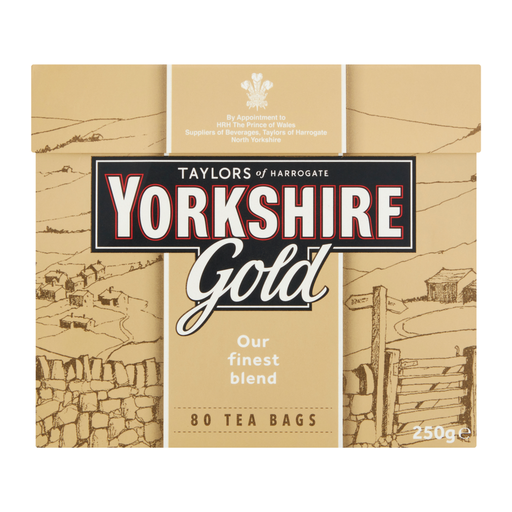
A Gold black-tea blend for shoppers comparing regular tea flavours. The Joybuy product description gives a 3–5 minute brew with freshly boiled water; follow the directions on the pack received.
 No image available
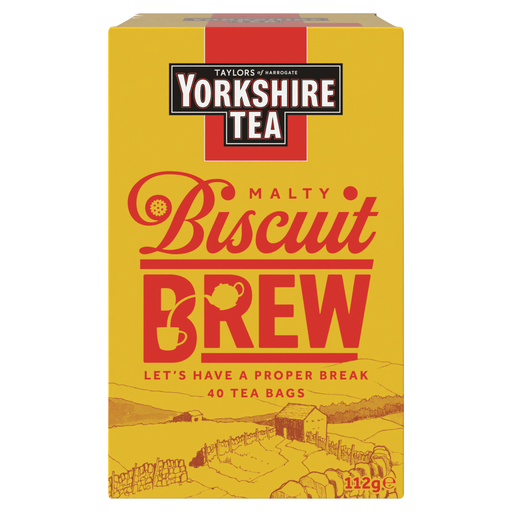
A flavoured tea-bag option rather than a decaf alternative. Read the current ingredient and allergen statement if a particular ingredient matters to you.
 No image available
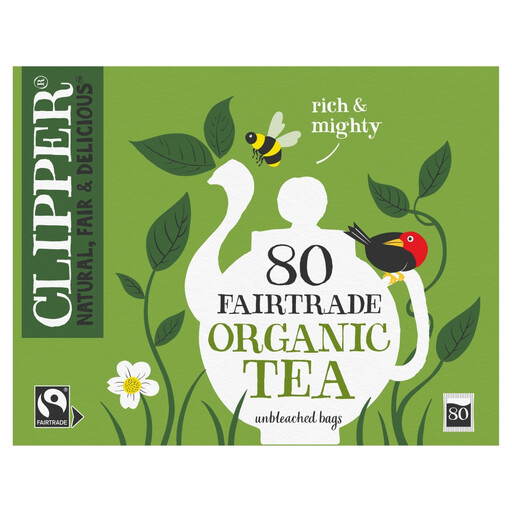
A regular tea-bag option for shoppers looking for the stated organic and Fairtrade attributes. Follow the brewing and disposal instructions on the particular pack.
 No image available
Combines a decaf tea-bag choice with stated organic and Fairtrade attributes. Check the current pack for precise caffeine information, brewing directions and the disposal route for its bags.
No. Tea bags are steeped directly in hot water in a mug or teapot; use the brewing directions on the pack rather than looking for coffee-machine capsules.
Follow the specific pack’s instructions because timings differ. Tesco lists 1–2 minutes for PG Tips Original, Clipper gives 2–5 minutes for Everyday, and Yorkshire Tea recommends 4–5 minutes for its mug-brewing method. If adding milk to a mug brew, Yorkshire Tea advises adding it after steeping.
Do not assume that decaf means caffeine-free. Check the current pack or ask the manufacturer if you need a precise amount; Twinings gives inconsistent decaffeination figures in different sections of its English Breakfast Decaffeinated product page.
Not automatically. Tesco specifies industrial composting for the reviewed PG Tips bags where a local food-waste service accepts them, while Tetley’s parent-company material also makes industrial composting conditional on an available scheme. Follow the exact pack instructions and your council’s accepted-materials list.
Read the current ingredients and allergen information for that exact blend rather than assuming it has the same composition as plain black tea. Check its brewing directions and bag count too, so the flavour choice also fits how you make your afternoon cup.