Hosts serving tea with milk
Choose a black tea guests are likely to enjoy with milk, then check the bag count and brewing directions for repeated cups. A larger box is more practical when the remaining tea will also be used after the party.


Choose the main tea according to how guests are likely to drink it: a dedicated afternoon blend is worth considering for a lighter black tea, while an everyday black tea makes sense if a familiar cup with milk is the priority. Plan enough bags for expected cups and refills, then add a separately labelled decaf or other alternative if guests need one. Check the exact pack’s ingredients, brewing guidance and storage instructions rather than judging the tea by its bag shape.
The useful starting point is the drinks you expect to serve, not a single tea that has to suit every guest.
Choose a black tea guests are likely to enjoy with milk, then check the bag count and brewing directions for repeated cups. A larger box is more practical when the remaining tea will also be used after the party.
Set out a main black tea and a clearly different option if guests’ preferences call for it. An afternoon blend, decaf black tea and a non-black infusion serve different purposes; check each pack rather than treating them as interchangeable.
Compare the exact products’ ingredients and any organic, Fairtrade or disposal wording. Those statements belong to particular packs and do not, on their own, tell you which flavour guests will prefer.
Decide on the main black tea first, estimate cups and refills, then consider whether a separate choice is needed. Product-specific instructions matter when you will be making several cups or a pot.
| Priority | What to check | Your needs |
|---|---|---|
| Tea style | Compare the named blend and ingredients. Twinings describes its English Afternoon tea as delicate and refreshing and recommends a two-to-three-minute brew; check the directions for any everyday tea separately. | I want a lighter afternoon-style cup, or a familiar black tea that guests will choose to drink with milk. |
| Servings | Check the bag count and net weight, then plan for cups and likely refills. ASDA Groceries lists 240 portions for its PG Tips Original pack; Typhoo specifies 80 bags and 3.125 g of tea per bag for its named product. | There should be enough for the gathering without leaving more tea than my household is likely to use afterwards. |
| Alternative drinks | Distinguish decaf black tea from a non-black infusion, and read the exact pack’s caffeine and ingredient information. Decaf does not automatically mean caffeine-free, as Joybuy’s tea-bag guide notes. | Some guests may want less caffeine or a drink other than black tea, so I need a clearly labelled separate option. |
| Ingredients and claims | Read certification and disposal wording on the exact pack. Clipper identifies organically grown black tea and Fairtrade-compliant trading for its named Organic & Fairtrade Everyday product; do not extend those details to every tea in its range. | If sourcing or packaging matters to me, I want to know what the particular box says without assuming that a certification determines its flavour. |
Tea bags brewed in water and coffee-machine capsules are different product formats. A capsule will not serve the intended purpose if you plan to make a pot or individual cups of bagged tea.
Check the product type on the listing and keep any coffee service on a separate shopping list.
A high bag count is useful only if it fits the expected cups and what will be used afterwards. Pack counts also differ: ASDA Groceries lists 240 portions for its named PG Tips product, while Typhoo identifies 80 bags in its named box.
Estimate cups and refills before choosing a size, and follow the pack’s storage directions for the remainder.
The shape of a bag does not establish whether a particular blend or brewed strength will suit your guests.
Compare the tea type, ingredients and brewing guidance before treating bag design as a preference.
Organic, Fairtrade and disposal statements can differ between products from the same maker. A disposal instruction may also depend on the collection available where the tea is served.
Read the wording on the exact box and follow its specified disposal route.
These examples help distinguish tea styles and pack details; a brand name alone does not establish the contents or instructions of every product it sells.
Consider its English Afternoon product when a specifically named afternoon black tea appeals to your guests.
Its product lines provide different choices when the main tea, a decaf option or water conditions need separate consideration.
An everyday black-tea option to compare when planning many cups.
Compare its named Everyday product if organic ingredients and Fairtrade wording are buying priorities.
Its named 80-bag black tea provides another pack size to consider for the main tea.
A brand to compare by its individual products rather than by a presumed house style.
These packs offer a main everyday black tea, a decaf choice or an additional flavoured tea for the afternoon tray. Match the bag count and the exact pack details to the drinks you intend to serve.
 No image available
A separately labelled decaf tea for guests who would prefer that option. The pack contains 80 bags and weighs 250g; check its current caffeine information if a guest needs to avoid caffeine strictly.
 No image available
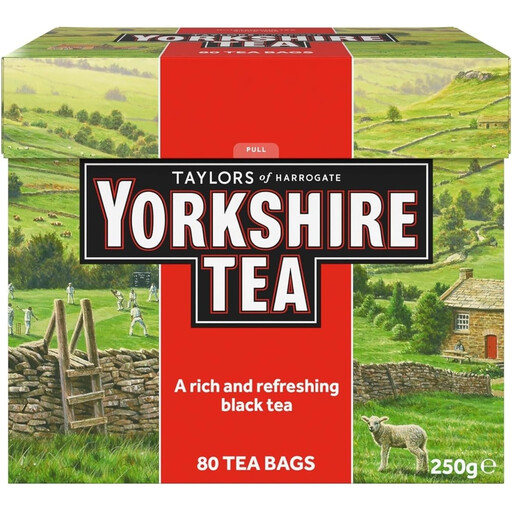
An 80-bag, 250g pack to consider for the main tea if its blend suits your guests. Plan for refills and check the pack’s brewing directions when preparing several cups.
 No image available
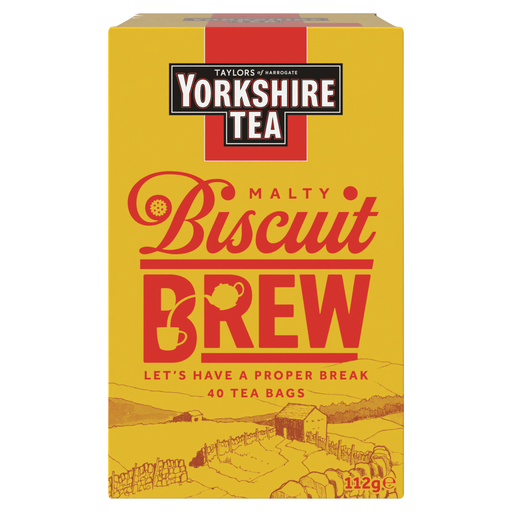
A distinct Biscuit Brew choice alongside the main tea, rather than a substitute for guests who want plain tea. The pack contains 40 bags and weighs 112g; check its ingredients and flavour description against guests’ preferences.
 No image available
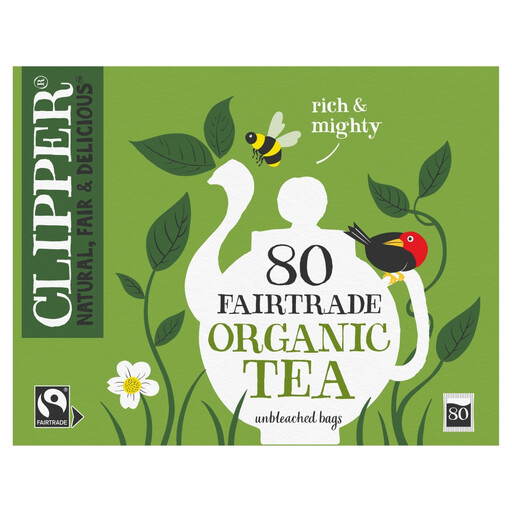
An 80-bag, 232g option when the product’s organic and Fairtrade wording matters to your choice. Confirm the current packaging claims and brewing instructions for this exact pack before serving.
 No image available
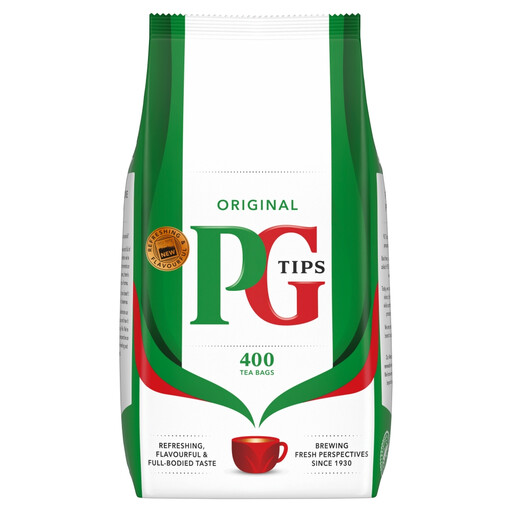
A 400-bag, 1.16kg format to consider when many cups are expected and the remaining tea will be used. Check the pack’s brewing and storage instructions rather than assuming they match those of another PG Tips size.
Estimate the cups you plan to serve, allow for likely refills and check the instructions on the tea you choose. Compare the stated bag counts with what your household will use afterwards; an 80-bag box and a 240-portion box are different commitments, not universal party-size recommendations.
Choose a dedicated afternoon blend if its stated flavour profile suits the occasion; Twinings describes its English Afternoon tea as delicate and refreshing and recommends a two-to-three-minute brew. An everyday black tea is another option when guests expect a familiar cup with milk. Check the exact blend and instructions rather than assuming either style will please everyone.
Not automatically. Decaf identifies a different choice from standard black tea, but Joybuy’s tea-bag guide cautions that it does not necessarily mean zero caffeine. Check the exact pack’s statement if this distinction matters to a guest.
Follow the directions on the pack and keep it closed. Typhoo’s named tea-bag product specifies a cool, dry place; consider how much tea you will use later before choosing a particularly large box.