Guests expecting a traditional cup
Start with an everyday black tea or an English Breakfast blend if you plan to serve tea with milk. Check the chosen pack’s brewing directions before making several cups at once.


Choose the tea for your guests before choosing a jar: a familiar black tea suits a traditional service, while decaf, a sourcing-labelled blend or a flavoured tea can provide an alternative when someone wants one. A jar is a storage choice, not a different type of tea bag; keep the pack’s date, ingredients and brewing directions if you transfer the bags.
Start with an everyday black tea or an English Breakfast blend if you plan to serve tea with milk. Check the chosen pack’s brewing directions before making several cups at once.
A decaf tea, a flavoured blend or a tea with organic and Fairtrade claims can sit alongside your standard black tea. Choose the alternative for the preference you need to accommodate rather than assuming one box suits everyone.
Choose the tea first. If you move the bags into a jar, retain the original pack’s best-before date, ingredients, storage advice and brewing instructions.
Settle on the tea you want to serve, then check the pack size and preparation instructions. Consider a jar separately if it would make storage more convenient.
| Priority | What to check | Your needs |
|---|---|---|
| Tea style | Look for everyday black tea or English Breakfast for a traditional cup. Check whether a flavoured blend should be an additional choice rather than the only tea. | I want a familiar tea to serve with milk, but I may also offer a different flavour for guests who would choose it. |
| Decaf choice | Check that the exact pack is labelled decaffeinated. If a guest has a strict caffeine-related requirement, confirm the product information rather than assuming decaf means caffeine-free. | Someone may prefer decaf, so I want a clearly identified alternative to the regular tea. |
| Serving several guests | Check the bag count against the number of guests and possible second cups. Follow the chosen blend’s brewing directions rather than applying one time to every tea. | There should be enough bags for everyone, and I want to prepare cups consistently without guessing the brewing time. |
| Sourcing and disposal | Check organic, Fairtrade or Rainforest Alliance wording on the exact product. Read disposal instructions separately: biodegradable, plant-based and industrially compostable do not mean the same thing. | If a sourcing claim or a particular disposal route matters to me, I want to check what this pack actually says. |
| Storage | Read the pack’s storage advice and best-before date. If using a jar, keep the original information and check that the container is clean and dry. | I may want a jar for the cupboard, but I still need the date and directions that came with the tea. |
A storage container cannot tell you whether guests will be served traditional, decaf or flavoured tea. Discarding the box can also lose useful date and brewing information.
Pick the blend first. If you transfer the bags, keep the original label information with the jar and follow the tea’s storage advice.
Directions differ between products. Tesco’s PG Tips Original listing gives 1–2 minutes, while Twinings recommends 2–3 minutes for a strong cup of its English Breakfast tea.
Read the directions on the exact pack and make a trial cup before preparing tea for a group.
Twinings describes the bags for its English Breakfast 120-bag product as industrially compostable. That is not an instruction to put them in a home compost bin.
Check the pack’s disposal wording and the guidance for your local collection service.
These ranges offer different starting points for an afternoon-tea selection; the claims below apply to the named products or lines, not every tea from each brand.
Consider its conventional black teas for a traditional cup, or Biscuit Brew as a separate flavoured choice.
Its English Breakfast 120-bag product is a black-tea option for a traditional service.
Its Organic & Fairtrade Everyday black tea is relevant when those product-level sourcing claims matter to your choice.
One Cup is an everyday black-tea option sold by Typhoo in a 100-bag pack.
Original is a conventional black-tea option available in larger pack formats.
Tetley lists black-tea and decaf options, allowing you to consider both a regular cup and an alternative.
These options cover larger packs for repeated serving, decaf alternatives, an organic and Fairtrade-labelled choice, and a biscuit-flavoured tea. Choose a jar separately if you want one, and check bundle contents before expecting it with tea bags.
 No image available
An 80-bag decaf option to offer alongside regular tea. Check the pack’s caffeine information if a guest has a strict requirement, and confirm bundle contents if you expect a jar.
 No image available
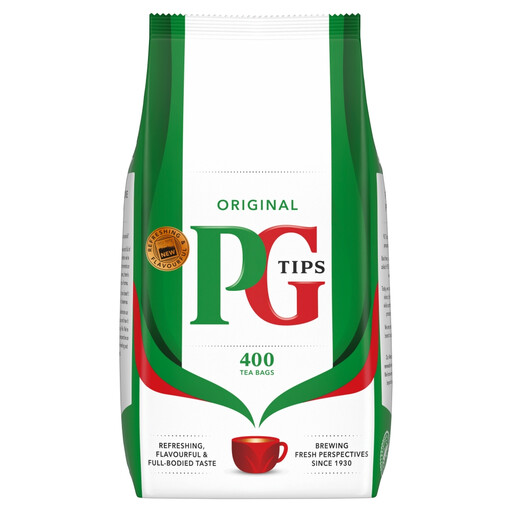
The 400-bag pack is an option when you expect to serve many individual cups or use the tea again later. Check this pack’s brewing and storage directions rather than assuming they match another PG Tips pack.
 No image available
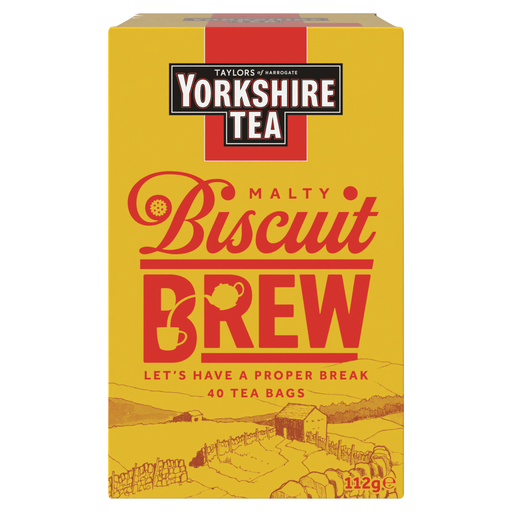
A biscuit-flavoured option for guests who want something besides conventional black tea. The 40-bag pack is better treated as an additional choice if others expect a traditional cup; check the pack’s ingredients and storage directions.
 No image available
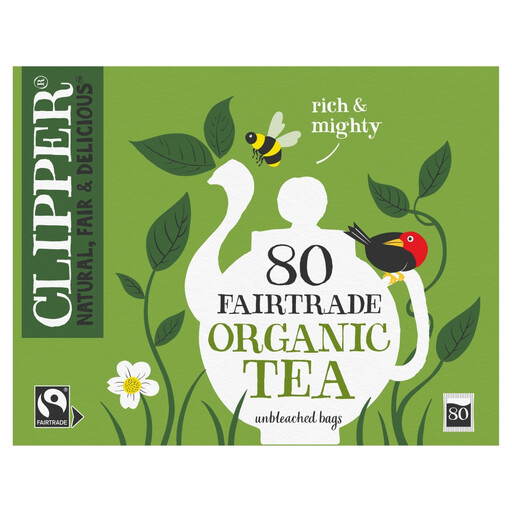
An 80-bag option if organic and Fairtrade-labelled tea fits your afternoon-tea plans. Check the exact pack’s claims and brewing directions before serving.
 No image available
This 80-bag decaf option combines decaffeinated tea with organic and Fairtrade wording in its name. Check the pack for brewing directions, caffeine information if needed, and the precise disposal instructions.
No: choose the blend for the people you are serving, then decide whether a jar is useful for storage. Keep the pack’s date and directions if you transfer the bags. A PG Tips product listing advises cool, dry storage, and GOV.UK explains that poor storage can affect food quality before its best-before date.
Follow the directions for the exact tea. Tesco’s PG Tips Original 160-bag listing gives 1–2 minutes, whereas Twinings recommends 2–3 minutes for a strong cup of its English Breakfast tea; make a trial cup before preparing several.
Do not assume they can. Twinings describes its English Breakfast 120-bag product as industrially compostable, which is a different claim from home compostability. Read the exact pack and check local collection guidance.
Offer a decaf choice if guests would prefer it; it need not replace the regular tea. Check the exact pack’s caffeine information if someone needs to avoid caffeine strictly rather than assuming that decaf means caffeine-free.
A best-before date concerns quality, not the safety meaning of a use-by date, according to GOV.UK. Follow the tea’s storage directions and retain its date information if you put the bags in a jar.