
24/7 Customer Support

Free returns

Same-day & Next-day Delivery

Quality Guaranteed

Unlock Your Welcome Offers: FREE Delivery | Up to 80% OFF | Free 30-day JoyPlus trial
Download the APP
Tea bags are a convenient cupboard essential, but choosing between everyday tea, organic infusions, flavoured blends and gift-ready boxes is not always straightforward. Packaging can make a blend sound more effective, luxurious or distinctive than it tastes in the cup.
Three common buying traps are worth avoiding:
Whether you are stocking an office kitchen, choosing a bedtime tea or assembling a tea gift set, the right product depends on flavour, ingredients, preparation and intended use.
Start with the base ingredient:
For a family cupboard, a larger pack of familiar black tea may offer practical value. For evenings, choose a clearly labelled herbal blend such as chamomile, lavender, valerian, lemon balm or honeybush.
If you are shopping for organic tea bags, check whether the product is certified rather than relying only on words such as “pure” or “wholesome”. Fairtrade certification and organic certification address different considerations, so one does not automatically mean the other.
Also check:
For example, Clipper Organic Fairtrade Tea Bags contain organically grown black tea and are supplied in an 80-bag, 232g pack. English Tea Shop Organic Earl Grey uses organic Ceylon black tea with organic bergamot oil. These details help you compare the contents rather than relying on packaging style alone.
Standard paper tea bags are quick and easy to store. Larger tea temples or sachets may allow leaves, herbs and spices more room to infuse, while individually wrapped bags can help preserve aroma and suit gifting.
Check the recommended brewing time. Yorkshire Tea Biscuit Brew specifies freshly boiled water and a three-to-five-minute infusion, while several herbal blends require at least five minutes. Under-brewing can produce a weak cup; over-brewing black tea may make it more bitter.
A practical storage rule is to keep tea in a cool, dry place, away from sunlight, moisture and strong odours. This is especially important for aromatic blends such as Earl Grey, rose tea and mulled-spice infusions.
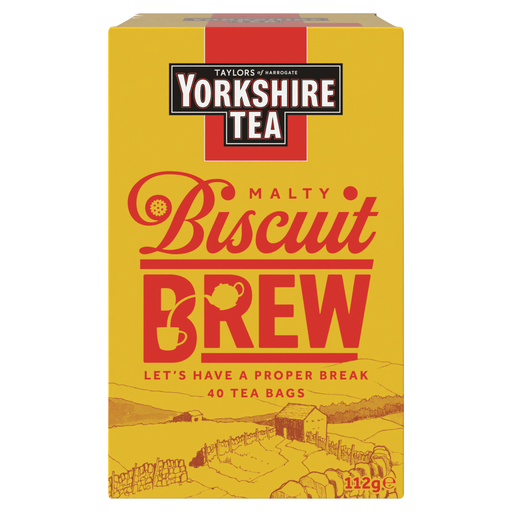
Why This Fits Their Persona: A 40-bag pack suits shoppers wanting a familiar black tea format for work breaks, lunches and everyday household use.
The pack states its quantity, ingredients and three-to-five-minute brewing guidance, making it easier to compare value and preparation.
40 tea bags; black tea with natural flavouring; made in the UK.
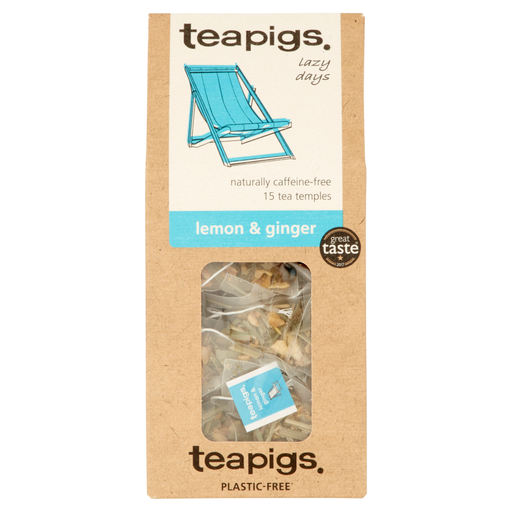
Why This Fits Their Persona: Suitable for shoppers who prefer a pronounced citrus and ginger flavour, with a tea temple format for a more spacious infusion.
The ingredient percentages are listed: ginger 65%, lemongrass 25% and lemon peel 5%, so the flavour profile is clear before purchase.
Naturally caffeine-free; vegan-friendly; suitable for hot or iced preparation.
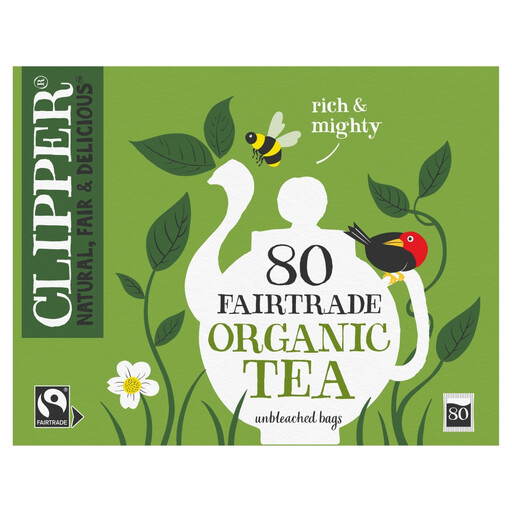
Why This Fits Their Persona: The larger pack is suited to busy households, shared kitchens and regular black tea drinkers who want organic and Fairtrade-labelled tea.
The 80-bag quantity and 232g net weight make it straightforward to assess cupboard capacity and serving value.
Organically grown black tea; Fairtrade-labelled; 80 tea bags.
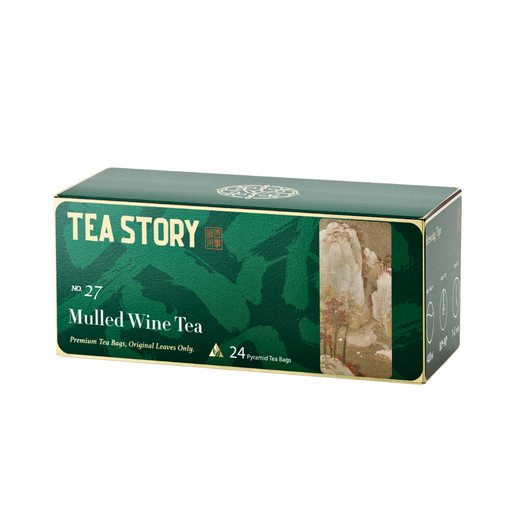
Why This Fits Their Persona: A decorative choice for seasonal gifting or serving guests who enjoy cinnamon, clove and orange-peel flavours without alcohol.
The product identifies the blend as non-alcoholic and lists 24 individually wrapped tea bags, clarifying both use and presentation.
Non-alcoholic spiced blend; 24 sachets; gift-style packaging.
Other useful options include organic herbal bedtime blends, such as English Tea Shop Organic Sleepy Me, and caffeine-free lemon and ginger tea from Twinings. For a floral cup, Tea Story Rose Black Tea combines black tea with rose petals, so it is not a caffeine-free infusion.
We have compiled a complete, real-time list of products that fully satisfy these strict selection criteria and UK safety regulations.
Many herbal infusions are naturally caffeine-free because they contain no traditional tea leaves. Chamomile, ginger, lemon balm, lavender and honeybush are common examples. However, blends can vary, so check the product label. A black tea-based rose blend or Earl Grey tea will generally contain caffeine.
Follow the instructions on the packaging. Black tea bags commonly require around three to five minutes, while some herbal tea bags suggest five minutes or longer. Use freshly boiled water and adjust the time to suit your preferred strength.
Tea bags normally carry a best-before date rather than a use-by date. They may remain usable after that date if stored correctly, but flavour and aroma can fade. Keep them sealed in a cool, dry place away from moisture, sunlight and strong-smelling foods.