Students stocking a first cupboard
A smaller everyday pack leaves room to find out how often you make tea and which blend you enjoy before committing to a bigger box.


When you first move into student accommodation, a 40- to 80-bag black-tea pack is a manageable way to learn how often you drink it and whether you like the blend. Choose a clearly labelled decaf product if reducing caffeine matters, or check the exact pack for organic and Fairtrade claims if sourcing is your priority. A larger box makes more sense once you know that you or your flatmates will use the same tea regularly and have space to store it.
A smaller everyday pack leaves room to find out how often you make tea and which blend you enjoy before committing to a bigger box.
If everyone will use one box, agree on the blend and choose a quantity that matches how quickly the household gets through it. Leave enough dry cupboard space for storage.
Look for an explicitly labelled decaffeinated product when reducing caffeine, or check the individual pack for organic and Fairtrade claims when sourcing matters to you.
Decide what kind of tea you want first, then match the bag count to your likely use and cupboard space.
| Priority | What to check | Your needs |
|---|---|---|
| Blend and flavour | Check whether the pack is an everyday black tea, a named breakfast blend or a flavoured tea. Read the individual product’s description rather than assuming teas from one brand taste alike. | I’d rather try a defined flavour in a smaller pack than fill a shared cupboard with a blend nobody chooses to drink. |
| Pack size | Compare the stated bag count and check whether a listing covers one box or several. Tesco listings include PG Tips Original in 40- and 400-bag formats, illustrating how much quantities can differ. | For my first weeks, I want enough tea without giving over too much cupboard space to it. A shared box can be larger once we know how quickly we use it. |
| Decaffeinated choice | Look for “decaffeinated” on the exact product. A lighter brew is not a substitute for selecting a decaf tea; the NHS notes that caffeine content can vary with tea type and brewing time. | If I’m reducing caffeine, I need to identify the decaf box rather than rely on the brand name or how briefly I brew an ordinary black tea. |
| Sourcing claims | Read the ingredients and product-specific organic or Fairtrade wording. Clipper describes its Organic & Fairtrade Everyday tea as organically grown black tea traded in compliance with Fairtrade standards. | Organic or Fairtrade sourcing matters to me, but I don’t want to assume those claims apply to every tea made by the same brand. |
| Brewing and storage | Check the pack’s brewing directions. Yorkshire Tea recommends brewing in hot water before adding milk to a mug; keep tea dry and away from strong odours, as the Joybuy Yorkshire Tea Biscuit Brew storage directions specify. | In a shared kitchen, I want a straightforward brewing routine and somewhere suitable to keep an opened box. |
A box intended for regular household use takes up cupboard space and may leave you with a blend the flatmates do not share.
Try a 40- to 80-bag pack first if use and preferences are uncertain. Move to a larger quantity when you know how quickly it is used.
Ordinary black tea contains caffeine. The NHS also notes that the amount in a drink can vary with the type of tea and how long it brews.
Choose a product explicitly labelled decaffeinated if you want to reduce caffeine; do not infer it from a light brew.
Organic and Fairtrade wording describes a particular product, not every blend from its brand. Those claims do not establish how strong a tea will taste.
Check the ingredients and sourcing statements on the exact pack you plan to buy.
Yorkshire Tea says adding milk early cools the water used for brewing, which can affect extraction.
Brew the bag in hot water first, then add milk if you want it. Try adjusting the brewing time before deciding a blend is too weak for you.
These brand ranges offer different blend, pack-size or sourcing choices; check the particular product rather than treating a brand name as a specification.
Tetley has Original black tea and a separately identified Decaf Original product.
PG Tips Original is an everyday black-tea option offered in notably different pack sizes.
Yorkshire Tea offers distinct standard, Gold and Decaf blends; its range also identifies a Hard Water option.
Twinings describes its English Breakfast as a full-bodied blend of Assam, African and Ceylon teas.
Clipper has product-specific organic and Fairtrade options for shoppers who prioritise sourcing claims.
Typhoo presents Gold as an everyday black-tea blend.
These options cover everyday black tea, a decaffeinated choice, an organic and Fairtrade-labelled tea, and a flavoured variation. Compare the exact blend and quantity with your own routine before choosing a box.
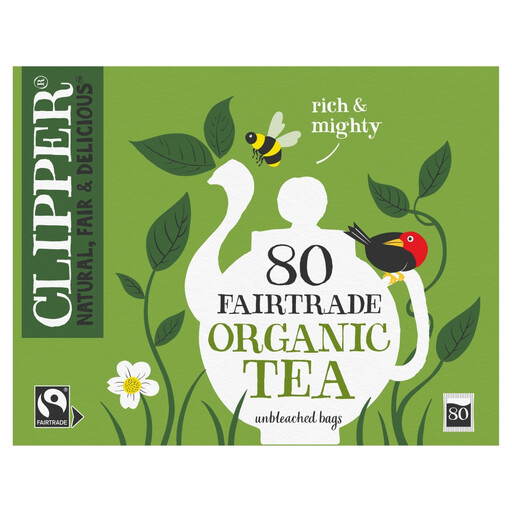 No image available
Consider this 80-bag pack if organic and Fairtrade sourcing are priorities for your first tea supply. It is not identified as decaffeinated; choose a clearly labelled decaf product if that distinction matters to you.
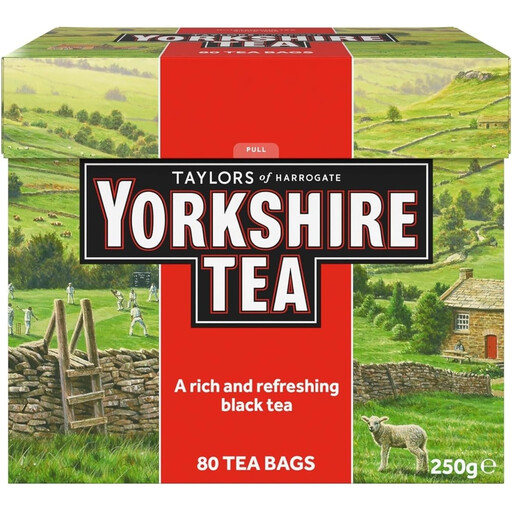 No image available
This 80-bag everyday black tea is an option while you work out how often you or your flatmates drink tea. If you are looking for decaf, check the pack for an explicitly decaffeinated version instead.
 No image available
Choose this explicitly labelled decaffeinated tea if reducing caffeine is part of your blend decision. The 80-bag, 250g pack is a smaller commitment than a bulk shared-kitchen box; check the packaging if you need a specific caffeine figure.
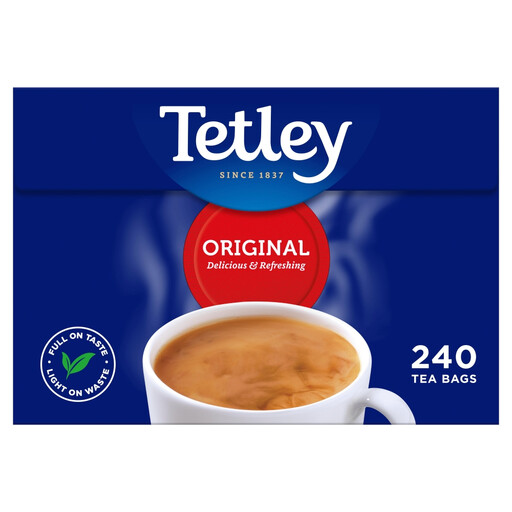 No image available
This larger Original black-tea pack suits a shared kitchen when the flatmates already know they will use the same blend regularly. It contains 240 bags and weighs 750g, so consider both cupboard space and likely use before buying.
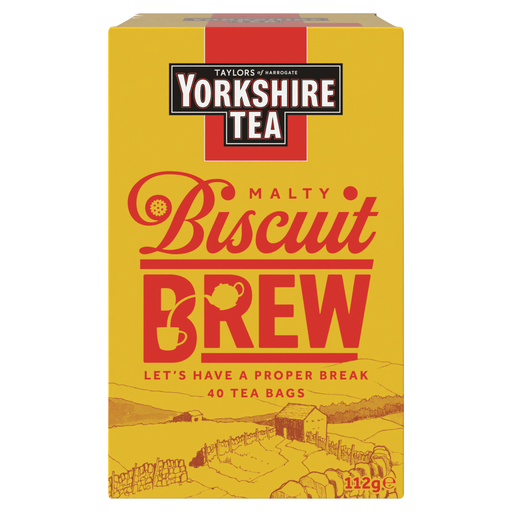 No image available
Consider this flavoured black tea if you want a change from an unflavoured everyday blend. Confirm the total number of tea bags and boxes on the product page before buying, as its pack descriptions give conflicting quantities.
A 40- to 80-bag pack is a sensible starting quantity if you do not yet know your tea routine or have limited cupboard space. Tesco lists PG Tips Original in a 40-bag pack, while Yorkshire Tea and Twinings English Breakfast have 80-bag options; choose a larger box once you know it will be used.
No. Choose a product explicitly labelled decaffeinated if you want to reduce caffeine. The NHS identifies tea as a caffeine source and notes that its caffeine content can vary with the type of tea and brewing time.
Add milk after the tea has brewed if you are following Yorkshire Tea’s mug-brewing advice: the brand says early milk addition cools the brewing water. Follow the directions for your chosen blend when deciding how long to leave the bag in.
Keep them somewhere cool and dry, away from strong odours. Joybuy’s storage directions for Yorkshire Tea Biscuit Brew specify its original airtight packaging; for any opened box, check the pack’s own storage instructions and close it securely.