Everyday elevenses drinkers
If you want a familiar black tea for a mid-morning mug, consider an everyday blend before moving to one labelled strong or flavoured. Check its brewing directions if you usually add milk.


For a regular elevenses mug, start with a rounded everyday black tea if you do not want a deliberately bold blend; choose an explicitly strong breakfast tea when a more robust cup is the aim. If hard tap water changes the taste of your tea, consider a hard-water blend. For sourcing or caffeine preferences, check the particular pack for organic and Fairtrade claims or choose a tea clearly labelled decaffeinated.
The useful distinction is not simply which brand to buy, but what you want from the cup and whether water, sourcing or caffeine changes the choice.
If you want a familiar black tea for a mid-morning mug, consider an everyday blend before moving to one labelled strong or flavoured. Check its brewing directions if you usually add milk.
If a regular blend tastes too mild to you, an explicitly strong breakfast blend addresses that preference more directly than choosing by brand alone. Brew it according to its own directions.
If hard tap water affects your tea, or organic sourcing, Fairtrade claims or caffeine content matters to you, check for that attribute on the particular product rather than assuming it applies across a brand.
Choose the kind of cup you want, then check how you will brew it and whether your tap water or pack requirements narrow the options.
| Priority | What to check | Your needs |
|---|---|---|
| Flavour and body | Compare an everyday blend’s description with one explicitly labelled strong. Twinings UK describes its English Breakfast as well rounded with body and a light finish, and its Strong English Breakfast as bold. | I want a rounded mid-morning cup rather than a deliberately strong one, or I know I prefer the bolder breakfast-style option. |
| Brewing and milk | Follow the directions for the particular blend rather than assuming one infusion time suits all tea bags. Yorkshire Tea advises four to five minutes for its standard mug brew and adding milk after the tea has brewed. | My usual mug includes milk, so I want to judge the blend after brewing it the way I will serve it. |
| Tap water | If your water is hard, compare a blend made for that condition with your usual tea. Yorkshire Tea says minerals in hard water can make tea taste darker and thicker. | Tea made with my tap water seems darker or thicker than I want; a hard-water blend is worth considering for that specific problem. |
| Sourcing and bag disposal | Read the exact pack’s organic and Fairtrade claims. Check its tea-bag material and your local collection rules separately; a sourcing claim does not establish how to dispose of the bag. | Organic or Fairtrade sourcing matters to me, and I want to know which claims apply to the tea I am buying and how its bags can be disposed of locally. |
| Caffeine | Look for a blend specifically labelled decaffeinated if you want to reduce caffeine; a shorter brew does not make standard black tea decaf. Check the particular pack if its caffeine information affects your choice. | I would rather choose a labelled decaf tea than rely on brewing ordinary black tea for less time. |
An everyday blend, an explicitly strong blend and one designed for hard water address different preferences or conditions. The name on the front of the pack can change which one is relevant to your cup.
Decide whether flavour strength, hard water, caffeine or sourcing is your main consideration, then check the specific product against it.
A longer infusion changes the cup, but it does not turn a standard tea into a separately formulated strong breakfast blend. Brewing directions can differ by product.
Choose an explicitly strong blend if bold flavour is the goal. Yorkshire Tea advises four to five minutes for its standard mug brew; follow the directions on other packs for those blends.
Organic and Fairtrade claims concern sourcing, while biodegradable and industrially compostable describe different bag-related claims. Neither tells you, on its own, what your local food-waste collection accepts.
Read the current pack’s bag and disposal wording, then check your local authority’s collection guidance.
Ordinary black tea remains a caffeine source even if you prefer a short infusion.
Choose a product clearly labelled decaffeinated when reducing caffeine is part of your buying decision.
These brand references help distinguish particular blends and pack attributes; a brand name alone does not establish how every tea in its range will taste or brew.
Yorkshire Tea lists standard, Gold, Decaf and Hard Water options. Its Hard Water blend addresses the darker, thicker cup the brand associates with mineral-rich tap water.
Twinings UK describes its English Breakfast as well rounded with body and a light finish, while positioning Strong English Breakfast as bold.
Clipper Tea Shop describes its Organic & Fairtrade Everyday product as a full-bodied blend made with organically grown, Fairtrade-traded tea.
Typhoo describes its 80 Premium Tea Bags product as an everyday brew made with Kenyan tea.
ASDA’s listing for PG Tips Original describes biodegradable tea bags in a pyramid shape.
Tata Consumer Products describes Tetley as a tea brand offering options for different tastes and occasions.
These tea bags cover everyday, decaffeinated, hard-water and flavoured options for an elevenses cup. Choose by the blend or pack attribute that matters to you rather than treating the different types as interchangeable.
 Image unavailable
A labelled decaffeinated everyday tea for a mid-morning cup when reducing caffeine matters. The pack contains 80 tea bags and weighs 277g; check its caffeine and brewing information if either affects your choice.
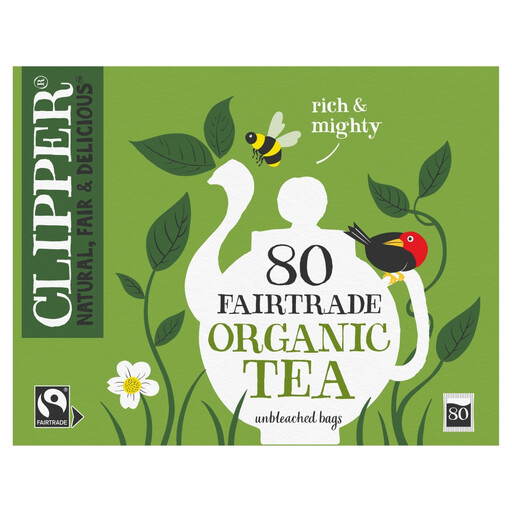 Image unavailable
An everyday black-tea option for shoppers prioritising the organic and Fairtrade attributes stated for this product. The pack contains 80 tea bags and weighs 232g; check its brewing directions for your usual mug.
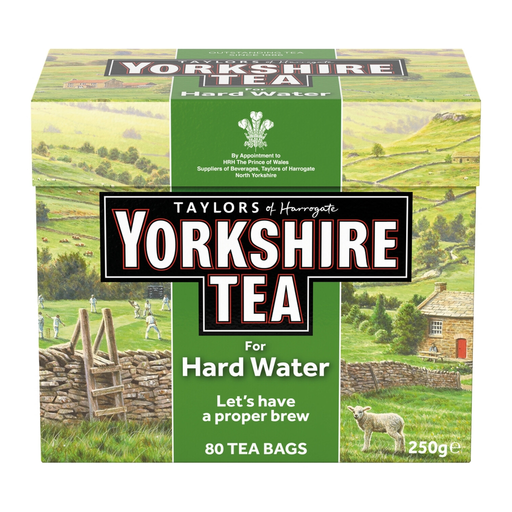 Image unavailable
A black-tea blend labelled for hard water, relevant if your tap water affects the taste of your usual brew. The pack contains 80 tea bags and weighs 250g; follow the product’s brewing directions for your mug.
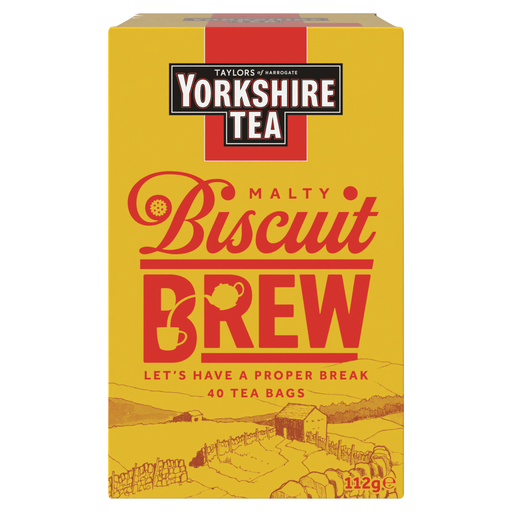 Image unavailable
A biscuit-flavoured variation for an elevenses break rather than a plain everyday black-tea blend. The pack contains 40 tea bags and weighs 112g; check the ingredients if the flavouring affects your choice.
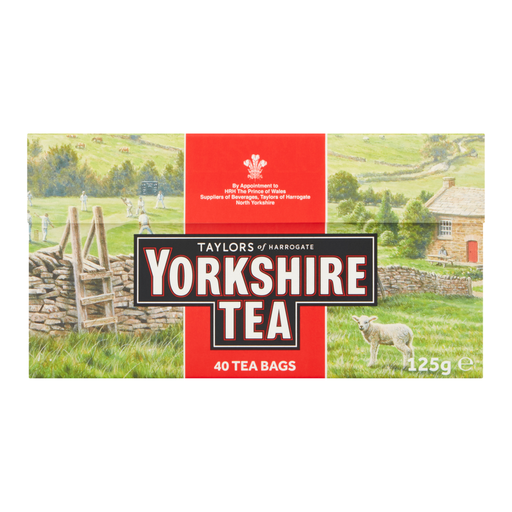 Image unavailable
A straightforward everyday black-tea option for a regular elevenses mug, rather than a labelled strong or hard-water blend. The pack contains 40 tea bags and weighs 125g; check the pack for its brewing directions.
Start with an everyday black tea if you want body without choosing a blend deliberately labelled strong. Twinings UK describes its English Breakfast as well rounded with body and a light finish; compare that description with your own preference and the pack’s brewing directions.
Choose a blend explicitly labelled strong if bold flavour is what you want, then use its stated brewing directions. Twinings UK positions Strong English Breakfast as a bold blend; leaving a different tea to infuse for longer is not the same choice of blend.
A hard-water blend is worth considering if your tap water makes your usual tea seem darker or thicker. Yorkshire Tea says minerals in hard water can have that effect and offers a blend specifically for the condition; it is not a necessary choice if you do not have that issue.
Ordinary black tea contains caffeine, so choose a product clearly labelled decaffeinated if reducing caffeine is your aim. NHS guidance identifies tea as a caffeine source and advises a limit of 200mg of caffeine a day during pregnancy; take account of caffeine from other foods and drinks as well.
Check both the exact pack wording and your local collection rules before putting tea bags in food waste. Biodegradable and industrially compostable are different claims, and the disposal route depends on the bag and the collection available to you.