
24/7 Customer Support

Free returns

Same-day & Next-day Delivery

Quality Guaranteed

Unlock Your Welcome Offers: FREE Delivery | Up to 80% OFF | Free 30-day JoyPlus trial
Download the APP
Choosing toothpaste in the UK can seem straightforward until you compare fluoride levels, pack sizes, sensitivity claims and multi-benefit formulas. A low-priced tube may not suit your needs, while an expensive product can include features you will not use.
The most practical approach is to check the active ingredients, fluoride content, intended age range and tube size before focusing on flavour or packaging. This guide explains the common buying traps and highlights suitable options for different routines.
A strong mint flavour can make your mouth feel clean, but freshness alone does not indicate cavity protection or plaque control. Look for a clearly stated fluoride content and brush for two minutes rather than choosing solely by flavour.
Options such as fresh mint toothpaste can still be useful if you prefer a cooling finish. However, flavour should be a secondary consideration after checking the formulation.
Terms such as antibacterial toothpaste, deep clean toothpaste and plaque protection toothpaste can describe different ingredient combinations. Some products contain stannous fluoride, while others use sodium fluoride, sodium monofluorophosphate, zinc compounds or potassium nitrate.
Read the full product information carefully. A formula designed for sensitive teeth may prioritise potassium nitrate or arginine, while a cavity protection toothpaste generally focuses on fluoride.
A 75ml toothpaste tube is convenient for a single user, a handbag or a short stay. A 125ml toothpaste tube may offer better value for regular household use, while a 20ml travel toothpaste is easier to pack for flights and weekend trips.
Check the actual net content rather than relying on pack photography. Some listings describe a two-pack by its combined volume, so confirm whether the product contains one 150ml tube or two 75ml tubes.
For many UK adults, a standard fluoride toothpaste containing around 1,450 parts per million (ppm) fluoride is a practical everyday choice. Several products in this range use sodium fluoride, stannous fluoride or a combination of fluoride sources.
Fluoride toothpaste supports enamel protection and cavity prevention when used as directed. Spit after brushing and avoid swallowing. Children’s use should follow the age guidance on the packaging, particularly where the product is labelled for adults or older children.
If you receive fluoride from another source, have a specific dental condition or have been advised to use a prescription-strength product, ask a dentist or pharmacist for personalised guidance.
Consider these common formulation features:
Ingredient lists can change, so check the tube or carton before use, particularly if you have an allergy or experience irritation.
For one person brushing twice daily, a 75ml tube may be suitable for regular rotation. Larger 125ml options can be convenient for families or frequent users, provided the expiry date allows enough time to finish the tube. Travel toothpaste in a 20ml format is useful for hand luggage and short journeys.
Store toothpaste in a cool, dry place and follow the printed expiry information. Do not share a tube or allow the nozzle to touch the toothbrush, as this can transfer bacteria.
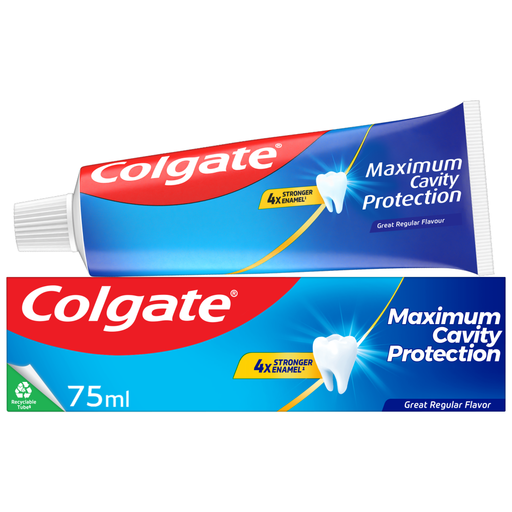
Why This Fits Their Persona: A straightforward 75ml option for shoppers who want an everyday fluoride toothpaste without choosing a specialist formula. It suits singles, smaller households and anyone trying a new product.
The product information states a total fluoride content of 1,450 ppm, making the key cavity-care specification easy to verify instead of relying on flavour or front-of-pack wording.
Contains sodium fluoride and sodium monofluorophosphate, with a recyclable 75ml tube and carton listed in the product details.
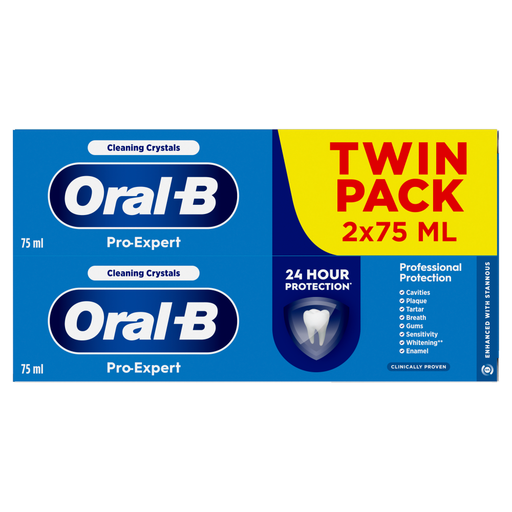
Why This Fits Their Persona: A two-pack format gives regular users a convenient supply, making it suitable for households that prefer to buy several tubes together.
The listing identifies the combined 150ml content as a 75ml two-pack, helping shoppers compare value accurately rather than mistaking the pack for one oversized tube.
Includes a stannous fluoride complex, cleaning crystals and a fruity-mint flavour profile; the listing states 1,100 ppm plus 350 ppm fluoride from two sources.
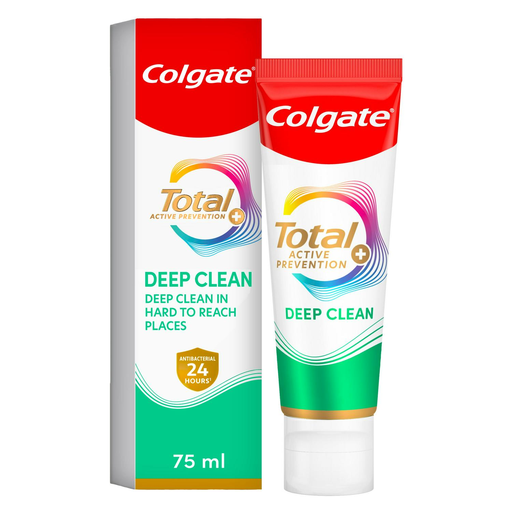
Why This Fits Their Persona: Designed for shoppers who prioritise a thorough-feeling clean, plaque care and broader everyday oral hygiene in one formula.
Its product details specify a 75ml size, 1,450 ppm total fluoride and a formula containing stannous fluoride, sodium fluoride and potassium nitrate.
The product is positioned around deep-cleaning use and lists ingredients for cavity, plaque and sensitivity-focused daily care.
We have compiled a complete, real-time list of products that fully satisfy these strict selection criteria and UK safety regulations.
Most everyday fluoride toothpaste products are intended for brushing twice daily, usually in the morning and before bed. Use a pea-sized amount, brush for around two minutes and spit rather than swallowing. Follow the product label where directions differ.
It depends on the price per millilitre and how quickly the tube will be used. A 125ml tube may suit frequent users or families, while 75ml toothpaste can reduce waste for one person and is easier to store or take away.
Sensitive teeth can have several causes, including exposed dentine, enamel wear or an underlying dental issue. A sensitivity toothpaste may help manage symptoms when used consistently, but ongoing, severe or changing sensitivity should be assessed by a dental professional.