
24/7 Customer Support

Free returns

Same-day & Next-day Delivery

Quality Guaranteed

Unlock Your Welcome Offers: FREE Delivery | Up to 80% OFF | Free 30-day JoyPlus trial
Download the APP
Tooth sensitivity, acid wear and surface staining can make a routine toothpaste purchase surprisingly difficult. Sensodyne Pronamel toothpaste is available in several formulas, but the differences between enamel protection, gentle whitening and intensive care are easy to overlook.
A suitable product should match your symptoms, brushing routine and sensitivity needs rather than relying on bold packaging claims. This guide explains the key details to check before buying, common marketing pitfalls and which options may suit different households in the UK.
Terms such as “enamel repair”, “rebuild” and “strengthening” can sound as though toothpaste will replace lost tooth structure. In practice, fluoride toothpaste supports remineralisation of the tooth surface and helps protect against future acid attacks. It cannot restore substantial enamel loss, a crack or untreated decay.
If a tooth has become visibly thinner, chipped or painful, toothpaste should not replace a dental assessment.
Whitening toothpaste generally works by helping remove surface stains from foods and drinks such as tea, coffee and red wine. It does not usually change the natural internal colour of teeth. However, formulas vary in their polishing ingredients and may feel uncomfortable if your teeth are already sensitive.
Look for wording such as gentle whitening, and avoid brushing harder to accelerate results. Pressure, brushing technique and brush-head firmness can affect comfort as much as the toothpaste itself.
Many adult and sensitivity formulas are intended for people aged 12 and over, unless a dentist or doctor advises otherwise. Children need age-appropriate fluoride toothpaste and supervision to reduce swallowing.
Also check the ingredient list when changing product. Several Sensodyne formulas contain potassium nitrate, while others use different active ingredients or combinations of fluoride. A product that suits one person may not suit someone with an ingredient sensitivity or a different oral-care concern.
For adults and many users aged 12 and over, a toothpaste containing around 1,450 ppm fluoride is a common daily-care specification. Fluoride helps strengthen the enamel surface and supports protection against cavities when used as directed.
The Sensodyne Pronamel products listed here specify sodium fluoride at approximately 1,450 ppm. Check the tube rather than relying only on an online description, as formulations and packaging can change.
For toothpaste for sensitive teeth, look for an ingredient specifically included for sensitivity care. The Pronamel Daily Protection, Gentle Whitening and Active Enamel Shield products list 5% potassium nitrate. This is different from simply choosing a toothpaste described as “fresh” or “enamel-safe”.
Sensitivity can have several causes, including exposed dentine, worn enamel, gum recession, decay or a damaged filling. If discomfort persists, worsens or affects one particular tooth, arrange a dental appointment.
A sensitive teeth whitening toothpaste should be chosen for modest, surface-level stain removal rather than dramatic shade changes. Hydrated silica appears in several listed formulas as a cleaning or polishing ingredient. Use a soft-bristled brush and gentle pressure for around two minutes, twice daily.
For acid wear protection, remember that reducing frequent acidic drinks and not brushing immediately after acidic food or drink can be just as important as selecting an enamel-strengthening toothpaste.
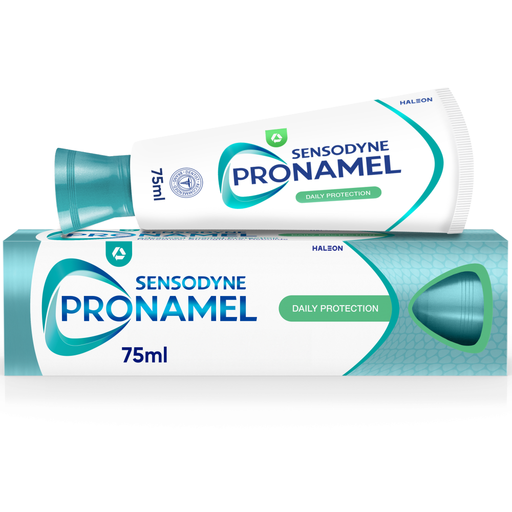
Why This Fits Their Persona: A straightforward option for adults or households aged 12 and over seeking daily enamel care, fluoride protection and sensitivity support in one 75ml tube.
It identifies its active ingredients and fluoride content rather than relying only on general whitening or freshness language.
Lists 5% potassium nitrate and 1,450 ppm fluoride; suitable for twice-daily enamel and sensitivity care.
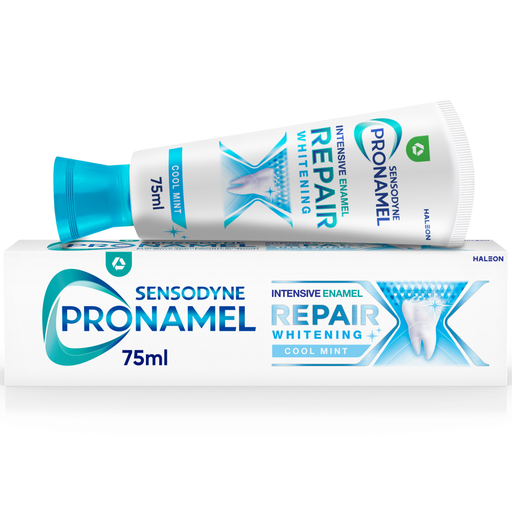
Why This Fits Their Persona: Suits shoppers who want enamel-focused care alongside gentle removal of everyday surface stains from tea, coffee or wine.
Its whitening description focuses on surface stains and natural-looking results rather than promising a change to the underlying tooth colour.
Combines 5% potassium nitrate, fluoride cavity protection and gentle whitening in a 75ml format.
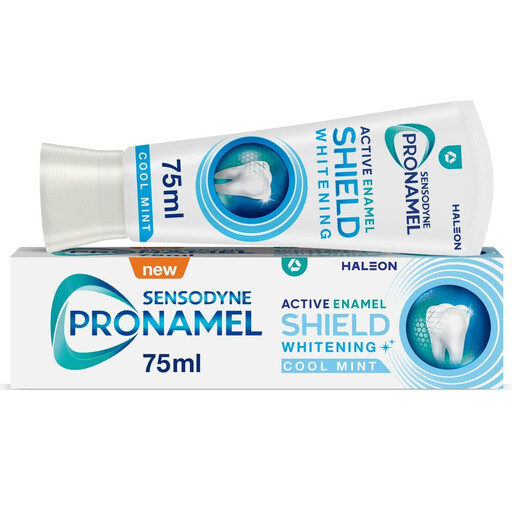
Why This Fits Their Persona: A practical match for regular tea and coffee drinkers who want acid wear protection, cavity care and a fresh mint finish in their daily routine.
The product information specifies twice-daily use, fluoride protection and dietary-acid resistance, making the selection criteria clearer than a vague “shield” label alone.
Contains 1,450 ppm fluoride and lists a product-stated claim of building two times the acid resistance compared with natural mouth defences.
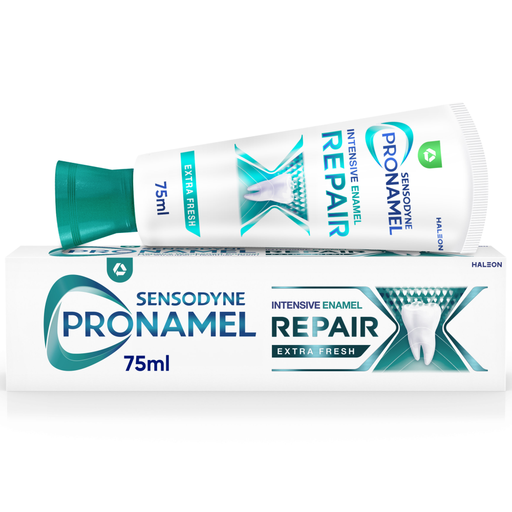
Why This Fits Their Persona: Suitable for shoppers who prioritise a stronger mint sensation while still seeking enamel protection and sensitivity-focused daily care.
It separates the freshness preference from the enamel-care function, so shoppers can assess both flavour and active ingredients before ordering.
Lists potassium nitrate and 1,450 ppm fluoride, with an extra-fresh flavour profile and 75ml net content.
We have compiled a complete, real-time list of products that fully satisfy these strict selection criteria and UK safety regulations.
A 75ml tube’s lifespan depends on the amount used and whether one person or several people share it. Using a pea-sized amount twice daily typically makes it a routine monthly purchase, but households should calculate their needs rather than assume every tube lasts the same length of time.
The listed Pronamel formulas are designed for daily brushing, generally twice a day, and contain fluoride for enamel and cavity protection. Check the specific product label and age guidance before use. Products in this guide are not intended for children under 12 unless advised by a dental professional.
Enamel repair toothpaste can help support remineralisation and protect the tooth surface from further acid challenges. It cannot replace enamel that has been substantially lost. Reducing frequent acidic drinks and seeking dental advice for visible erosion or ongoing sensitivity are important parts of enamel care.
It can help remove some surface stains, but it is not the same as professional whitening and may not change intrinsic tooth colour. If staining is persistent, uneven or accompanied by pain, ask a dentist about suitable options rather than increasing brushing pressure.