
24/7 Customer Support

Free returns

Same-day & Next-day Delivery

Quality Guaranteed

Unlock Your Welcome Offers: FREE Delivery | Up to 80% OFF | Free 30-day JoyPlus trial
Download the APP
Udon noodles are a cornerstone of Japanese cuisine, celebrated for their satisfyingly thick and chewy texture. Yet, when you decide to buy udon noodles online, the choice can be surprisingly complex. You are often met with different types—dried, frozen and pre-cooked—each suited for different meals and lifestyles.
This guide is designed to help you navigate these options. As the Joybuy Product Recommendation Officer, my role is to provide clear, practical advice to help you select the right udon for your kitchen, whether you're planning a quick weeknight dinner or a carefully prepared weekend feast.
Understanding the main types of udon is the first step to making a great choice. Each format offers a distinct balance of convenience, texture and shelf life.
Dried udon noodles are a pantry staple, offering a long shelf life and an authentic culinary experience. They are made from wheat flour, water and salt, then dried to preserve them. While they require a longer boiling time (typically 8-12 minutes), many cooks find the resulting firm, chewy texture to be well worth the effort. This format allows for precise portion control and is ideal for those who appreciate the process of cooking from scratch.
Offering a great compromise between convenience and quality, frozen udon noodles are pre-cooked and then flash-frozen. This process helps to lock in a fresh, bouncy texture that is very close to what you would find in a Japanese restaurant. They cook in just a few minutes from frozen, making them an excellent choice for quick and flavourful meals like a classic udon soup or a simple stir-fry.
For ultimate convenience, cooked udon noodles are the go-to option. These are fully cooked and vacuum-sealed in shelf-stable pouches, ready to be used straight from the packet. They can be added to dishes in the last minute of cooking or even rinsed and served cold in salads. While their texture can be slightly softer than dried or frozen varieties, their speed and ease of use are unmatched, making them perfect for busy professionals, students or anyone needing a meal in minutes.
After analysing the options available, we've selected a few standout products that cater to different needs, from the traditionalist to the time-conscious cook.
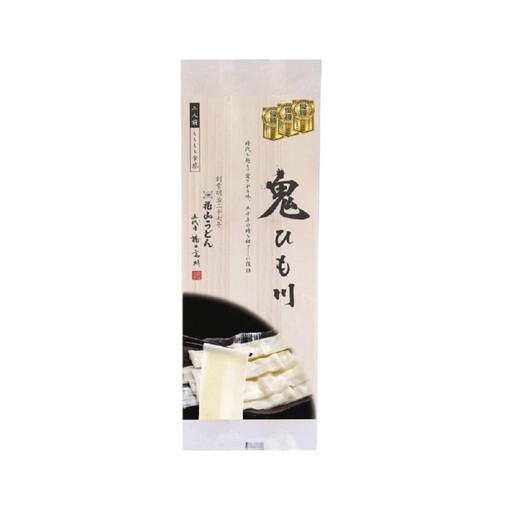
HANAYAMA Onihimokawa Udon Noodles 200g
Why It Stands Out: These are not your average Japanese udon noodles. The "Onihimokawa" style refers to their exceptionally wide, flat shape, which provides a uniquely hearty and satisfying mouthfeel. Made in Japan from premium domestic wheat flour, they deliver a simple, clean flavour that allows the quality of the ingredients to shine. Their substantial form makes them excellent at soaking up rich broths and sauces.
Pros:
Who is it for? Home cooks who enjoy preparing authentic Japanese dishes from scratch and appreciate the texture and tradition of premium dried udon noodles.
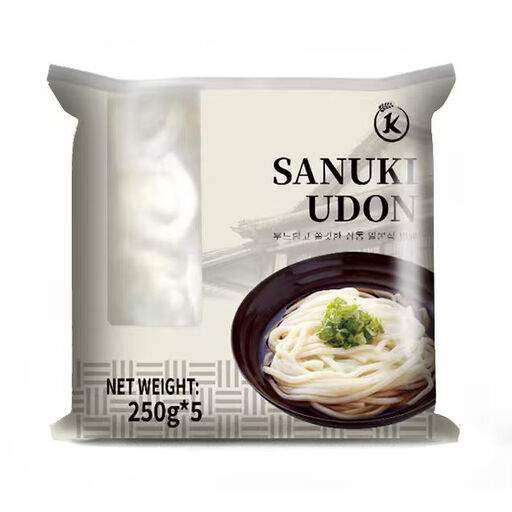
Why It Stands Out: This multi-pack of frozen udon noodles strikes an excellent balance between convenience and quality. The noodles are individually portioned, making meal prep straightforward. Because they are flash-frozen after cooking, they retain a pleasantly chewy and bouncy texture that is difficult to achieve with other quick-cook formats. They cook directly from the freezer in just a couple of minutes.
Pros:
Who is it for? Anyone looking for a quick and reliable meal solution without compromising on texture. Ideal for families and individuals who regularly enjoy udon for soup or stir-fries.

Miyatake Cooked Udon Noodles 5 Packs 900g
Why It Stands Out: When time is the most important factor, these cooked udon noodles from Miyatake are a superb choice. They are fully cooked and sealed in individual pouches, eliminating the need for boiling. Simply rinse and add them to your dish to heat through. Their soft yet resilient bite and neutral flavour make them a versatile base that readily absorbs the taste of broths, sauces and dressings.
Pros:
Who is it for? Busy professionals, students or anyone new to Japanese cooking who needs a dependable and incredibly fast meal component.
If these specific types of udon aren't quite what you're after or if you're curious about other Japanese and Asian noodles, we have a wider selection. Explore our full range of wheat asian pasta to find the perfect ingredient for your next meal.
1. What is the difference between udon and ramen noodles? The primary difference lies in their ingredients and texture. Udon noodles are thick, soft and chewy, made from wheat flour, water and salt. Ramen noodles are generally thinner and firmer and they are made with the addition of an alkaline agent called kansui, which gives them their characteristic yellowish colour and springy texture.
2. How do you cook dried udon noodles properly? To cook dried udon noodles, bring a large pot of unsalted water to a rolling boil. Add the noodles and stir gently to prevent sticking. Cook for the time specified on the package, usually 8-12 minutes, until they are tender but still have a slight chew. Drain the noodles and rinse them under cold water to remove excess starch before adding them to your soup or stir-fry.
3. What are the most popular dishes to make with udon? Udon is incredibly versatile. Some classic dishes include Kake Udon (a simple udon for soup with a dashi-based broth), Curry Udon (udon in a thick Japanese curry sauce) and Yaki Udon (a savoury stir-fry with vegetables and a protein of your choice). They are also delicious served cold with a dipping sauce, a style known as Zaru Udon.