
24/7 全天候客户支持

免费退货

当日/次日达

品质保障

开启新人专享福利: 全场免邮 | 低至 2 折 | 免费试用 30 天 JoyPlus 会员
下载 Joybuy
Finding suitable plant-based protein foods in the UK can be surprisingly difficult. Packaging may highlight “high protein” while the actual serving is small, or a product may appear vegan but contain milk, egg or other animal-derived ingredients. Some options are also convenient but high in sugar or salt.
This guide explains the practical details to check before buying, followed by Our Top Recommendations for different lifestyles, budgets and usage patterns.
A product can display an impressive protein figure per 100g, but the normal portion may be much smaller. Compare both figures before choosing protein bars, protein flapjacks, cereal or snacks.
For example, a cereal showing 19g protein per 100g will provide less protein in a typical bowl, depending on the amount served. A powder listing 20g per 25g serving offers a clearer comparison for shake users.
“Plant-based” is not always the same as “suitable for vegans”. Some vegetarian meat alternatives contain egg, while protein bars may contain whey or milk powder. Products can also be made in facilities handling milk, nuts or other allergens.
Always check the full ingredient list and allergen statement. This is particularly important when buying vegan protein powder, vegetarian meat alternatives or ready-to-eat vegan meals.
Protein snacks can be convenient but may also contain considerable sugar, fat or salt. A ready-to-eat product may suit travel, but it should be assessed as part of the whole diet rather than judged by its protein content alone.
Likewise, dry lentils require cooking, frozen meat-free mince must be heated thoroughly, and some porridge sachets must be cooked before consumption. Convenience depends on your routine, not just the front-of-pack message.
Look for protein per stated serving, then check the ingredient order. Common sources include:
Using several sources across meals can make plant-based nutrition more varied. Protein supplements can be useful when meals are rushed, but they should not replace a varied and balanced diet.
Check for soya, wheat, gluten, milk, egg, peanuts, tree nuts and sesame. Some products suitable for vegetarians are not vegan. For example, Quorn Mince contains egg white, while Nature Valley Protein Salted Caramel Nut Bars contain milk and soya.
If you have an allergy or intolerance, read the current packaging every time. Online product information can change when manufacturers update ingredients or packaging.
Choose the format that fits how you actually eat:
Pay attention to storage instructions, use-by or best-before dates, and whether a product must be cooked before eating.
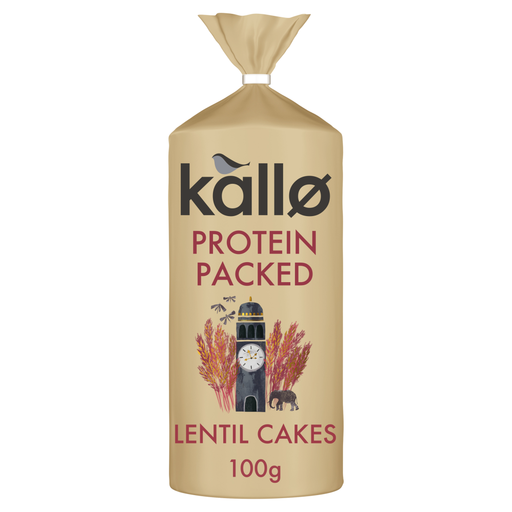
Why This Fits Their Persona: A straightforward entry point for shoppers wanting portioned vegan protein snacks for work, travel or between meals.
The label provides figures per cake as well as per 100g, making portion comparison easier. Check the packaging for its current vegan suitability and cross-contact advice.
Each lentil cake contains 1.6g protein; the product is made with lentil flour and pea protein and is supplied in a 100g pack.
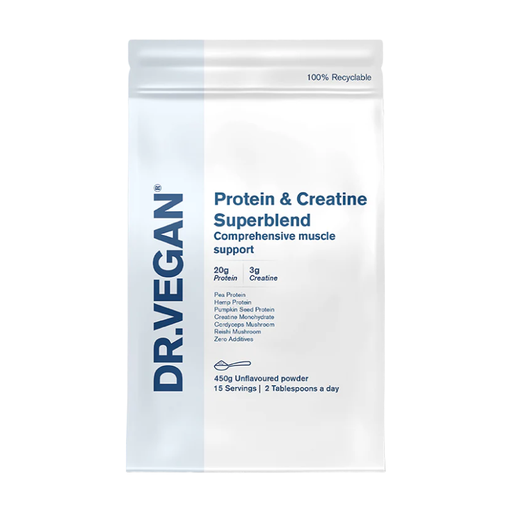
Why This Fits Their Persona: Suits adults seeking a vegan supplement with an unflavoured format for smoothies, yoghurt, baking or post-exercise drinks.
The serving size is clearly stated as 30g, with protein and creatine amounts listed separately. It is not flavoured, so it can be used beyond a conventional shake.
Provides 20g protein and 3g creatine per stated 30g serving, using pea, pumpkin seed and hemp proteins. The formula is listed as free from dairy, soya and gluten.
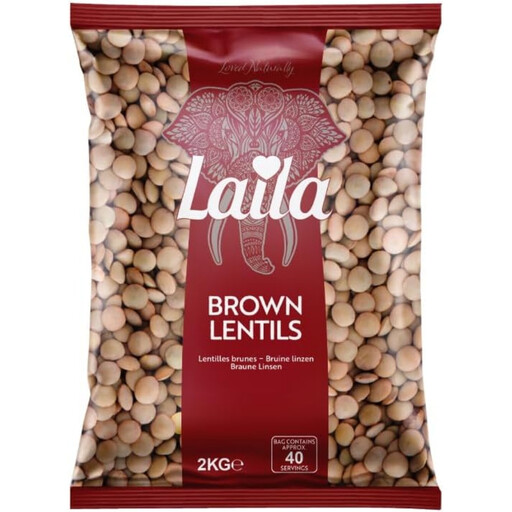
Why This Fits Their Persona: A practical pantry option for families, meal preppers and frequent cooks making dals, soups, curries or grain bowls.
The ingredient list contains brown lentils only, avoiding flavoured convenience ingredients. However, the pack requires rinsing and cooking, so it is not an instant snack.
The 2kg pack contains 25g protein per 100g dry weight and is designed for batch cooking. Inspect and rinse before use, then simmer until tender.
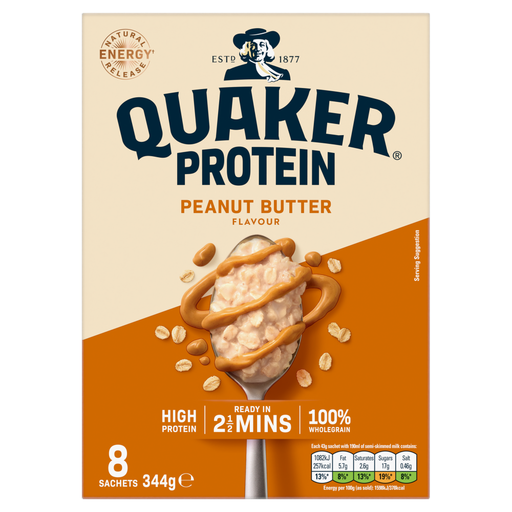
Why This Fits Their Persona: Designed for commuters, students and families wanting a measured high-protein breakfast with minimal preparation.
Each sachet is a defined 43g portion and the preparation time is stated as 2½ minutes in an 800W microwave. It contains soya and oats, so check allergens carefully.
Provides 9g protein per serving, uses wholegrain oats and comes in eight individually portioned sachets. The product must be cooked before consumption.
We have compiled a complete, real-time list of products that fully satisfy these strict selection criteria and UK safety regulations.
Dry lentils, beans, soya-based foods and wholegrain cereals are often practical choices for regular meals. Compare the price per 100g and protein per serving rather than relying on pack price alone. Large packs can be economical for households that will use them before the best-before date.
They can fit into an everyday diet, but suitability depends on the complete nutritional profile, portion size and ingredients. Compare sugar, salt, fat and fibre as well as protein. Snacks should complement meals rather than become the sole source of nutrition.
No. Many people can obtain protein from lentils, beans, tofu, grains, nuts and other foods. A vegan protein powder may be useful for convenience, travel or structured fitness routines. Follow the product’s serving instructions and warnings, and do not use supplements as a substitute for a varied diet.